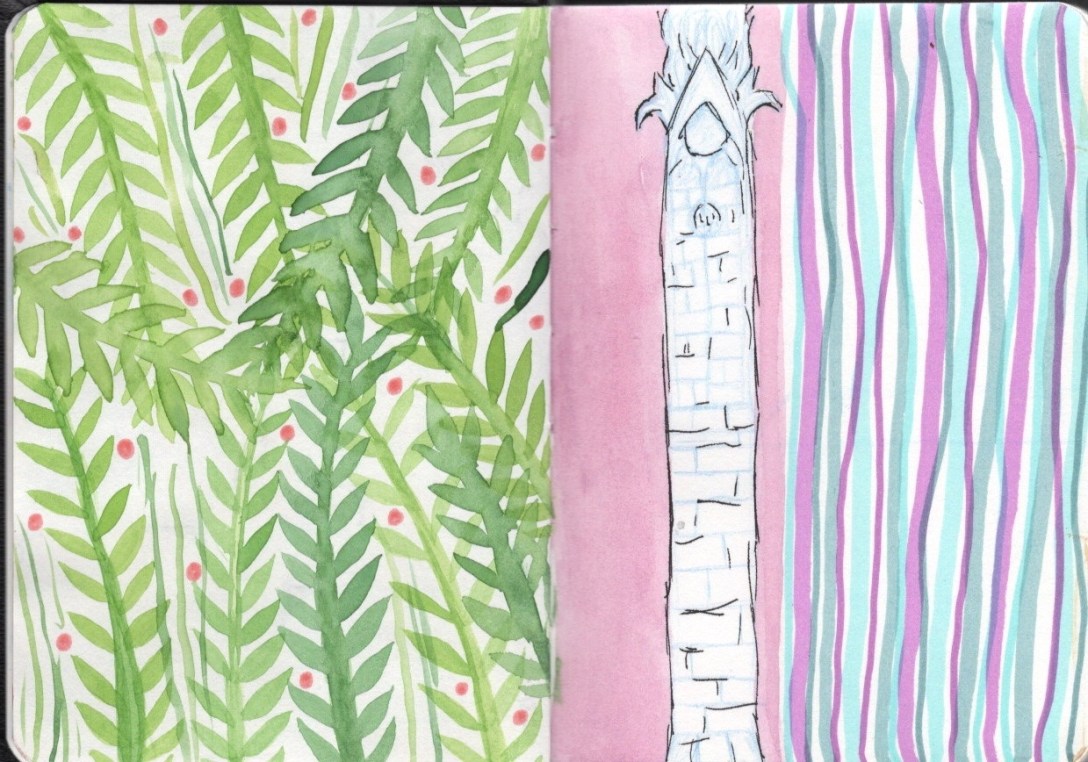
In my tutors feedback for Part 1 he said ‘more freehand drawing is required, try to do 20 fast sketches every day, I have used this for many students and after a week there is improvement, very quick sketches no longer than 5 minutes for all 20.‘. I wasn’t too surprised at this comment, as I knew coming into this unit that drawing was my weak point. I’ve always been very afraid of it and felt that I could never be good at it. This is something I’ve wanted to improve on prior to this course, so despite being nervous about the concept, I dove right in.
I have mentioned several times in the learning logs I have written for Part 2 that I struggle with being a perfectionist. This blocks my creative flow when it comes to drawing, experimenting, and generally getting things wrong. It doesn’t feel safe to just start drawing as I feel it has to look photorealistic and picture perfect. Over the course of Part 2, however, I have learned how untrue this is. Drawing is a form of expression no different to any other artistic style, and is a key feature in developing other mediums.
My tutor recommended I draw 20 quick sketches a day, taking no less than 5 minutes on all 20, and that I look at the book Drawing the Line. I ordered the book, hoping it would help me learn how to draw, and tried to start drawing the 20 sketches a day. I found this really difficult. At this point, I had no idea how to draw quickly. I did draw as fast as possible, using references and focusing on capturing the shape and lines, rather than shading and detail, but still found myself producing half the required sketches in 20 minutes.
I was also disappointed upon receiving Drawing the Line as it didn’t contain any secrets on how to draw better. It was filled with art by other artists, mostly looser and freer drawings and paintings. I thought maybe at some point I could do some studies of the work in the book, and that might help me. In the mean time, I went back to the 20 quick sketches.
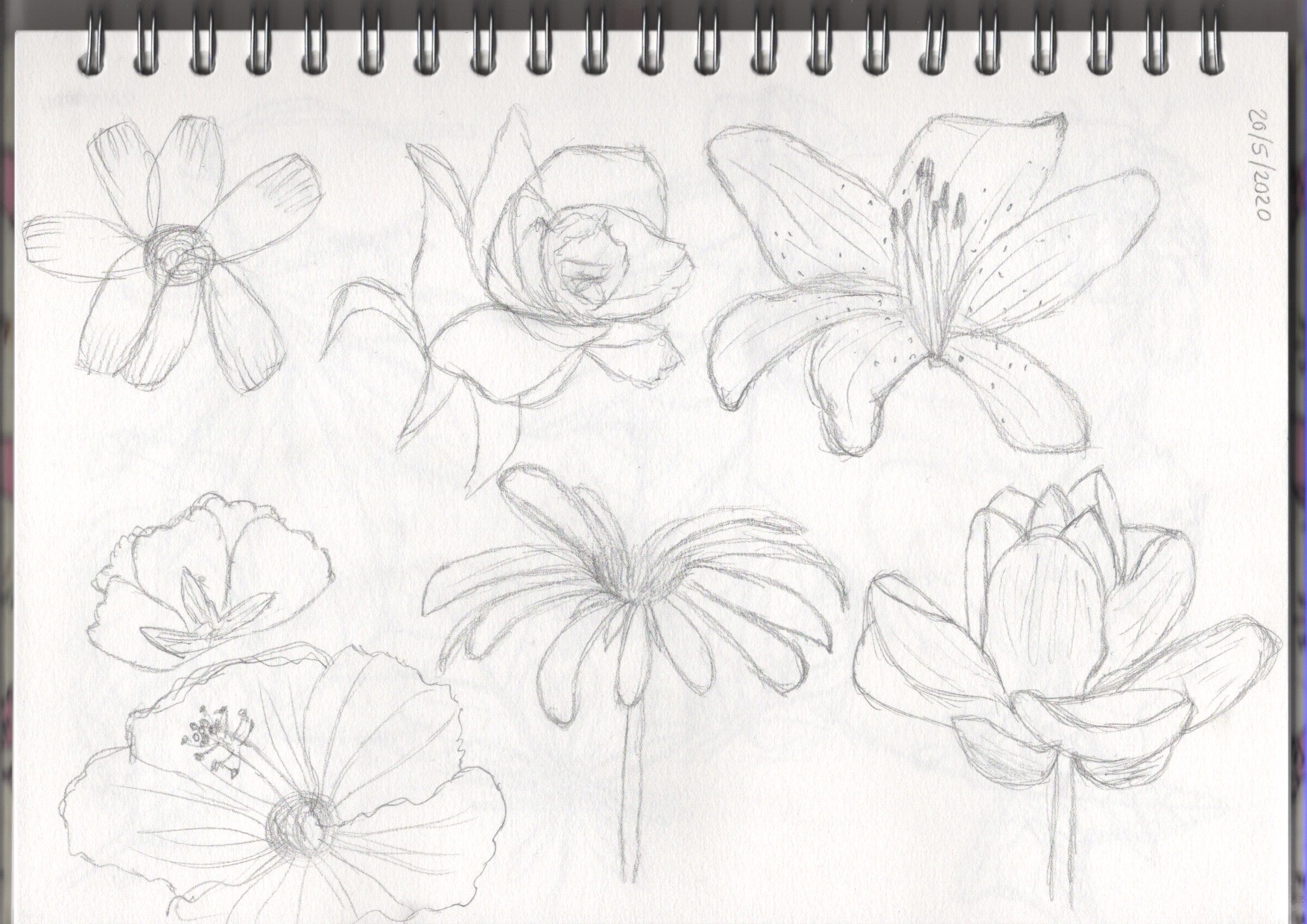
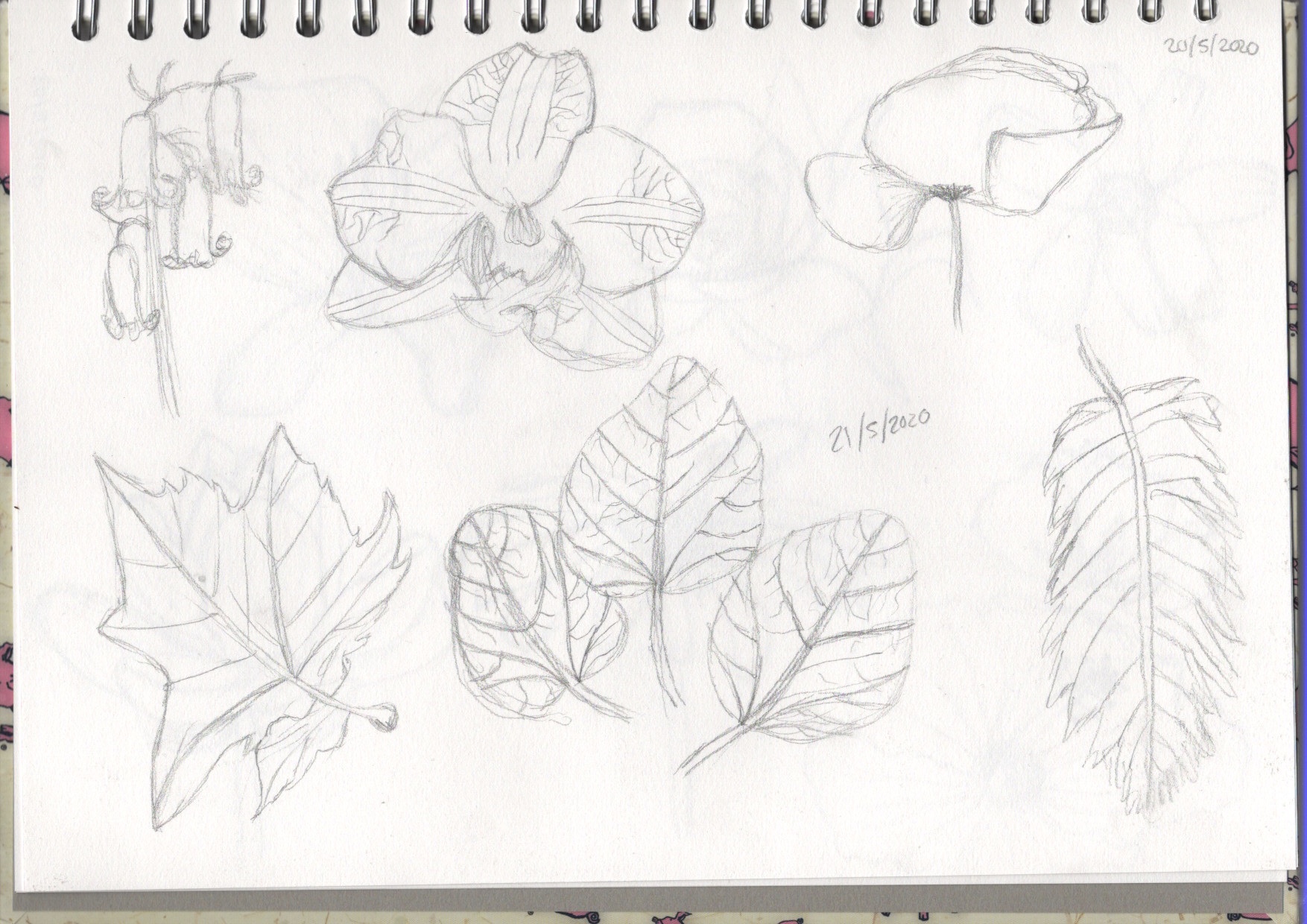
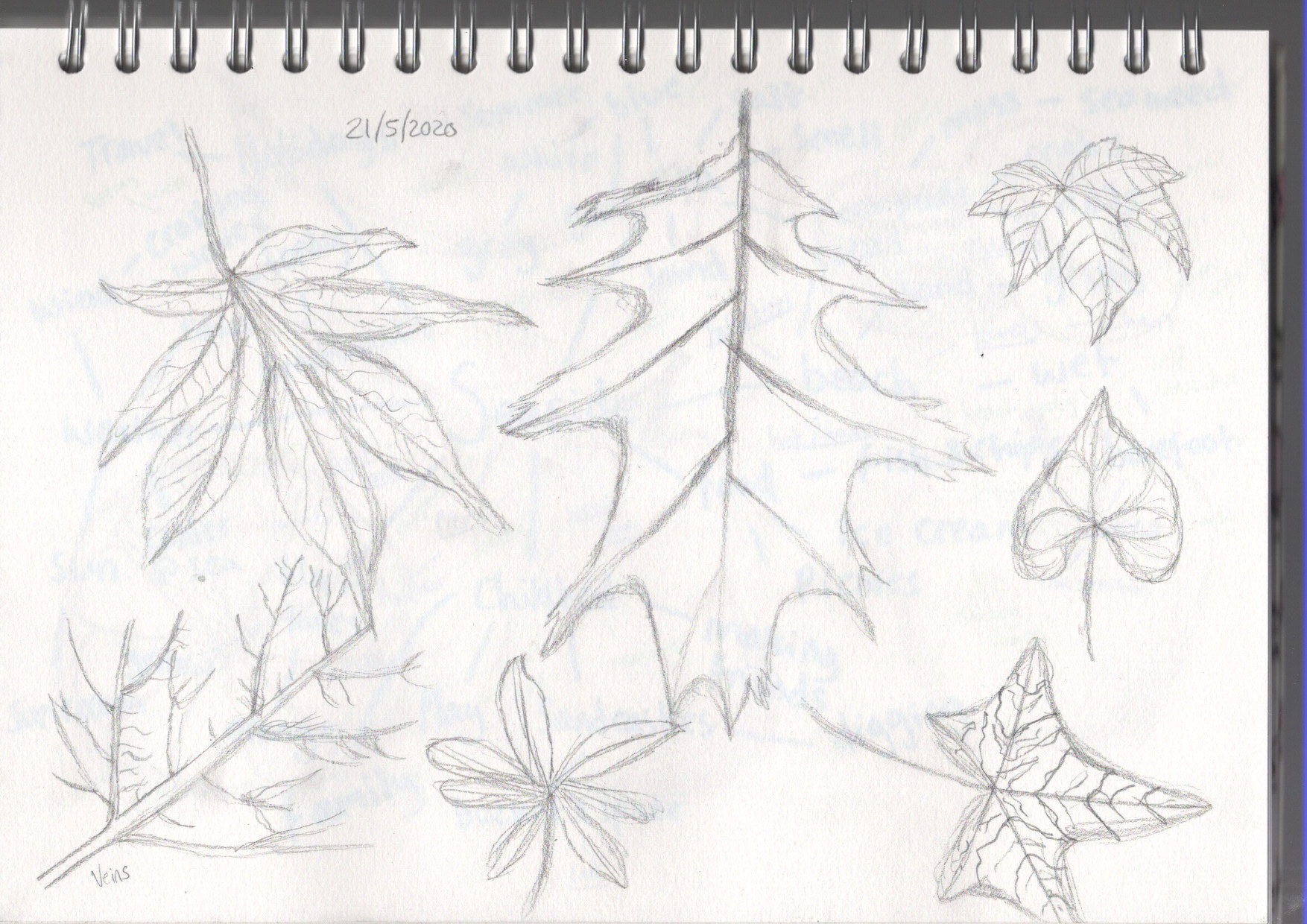
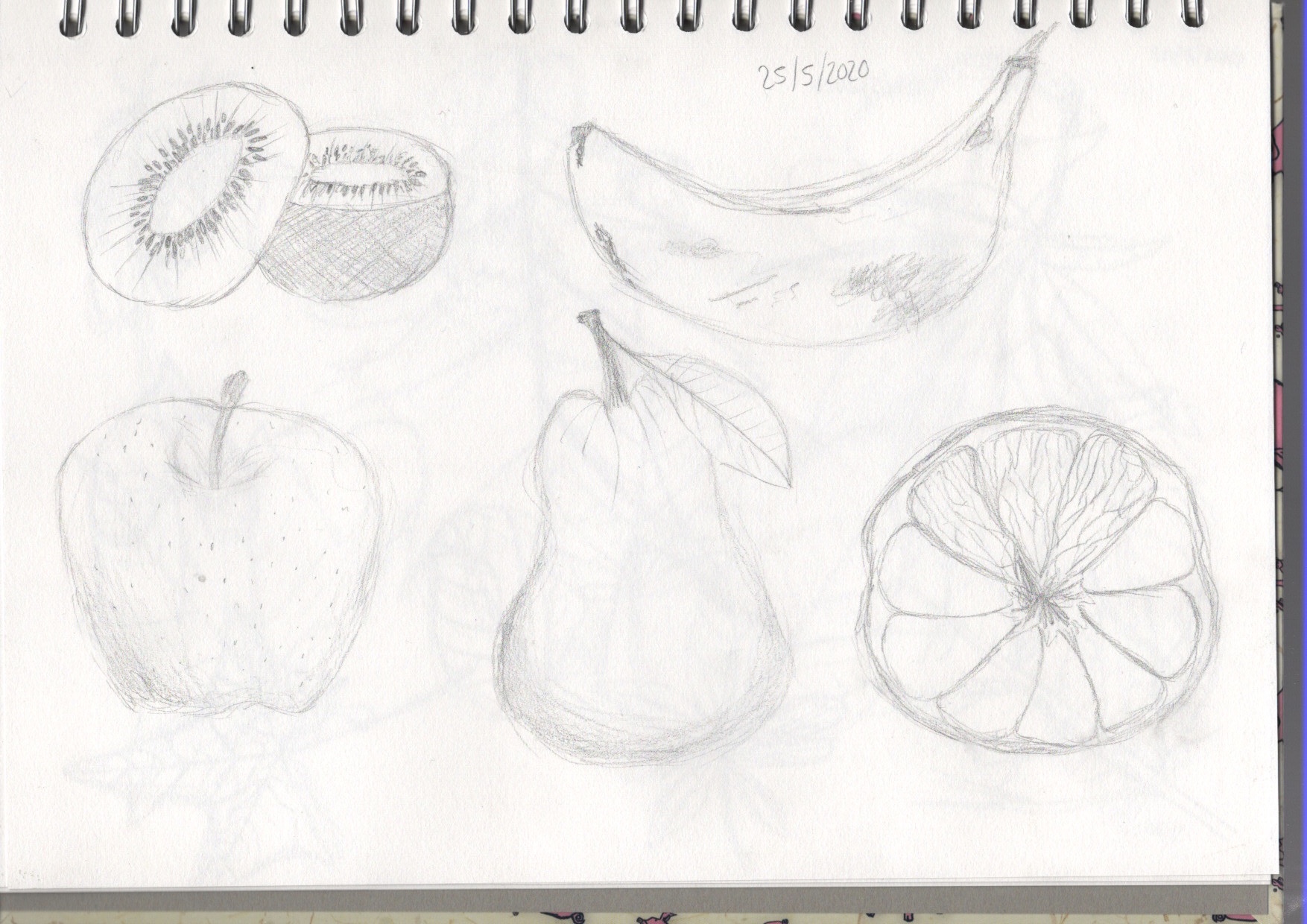
I pretty quickly gave up on them. I was focused on coursework and felt I didn’t have time to get stressed over tying to draw fast but produce something good. This changed when I began the sketchbook circle. I started researching how other people used their sketchbooks, and specifically looked at instances where people made mistakes, but still confidently shared their results. I bought two sketchbooks for myself – one for the circle, and one to take everywhere with me. I also bought some drawing pencils that were coloured, as I felt this would make me more interested in drawing. I was correct, and I found drawing so much easier with these pencils.
Despite my new sketchbook being intended for travel and taking out with me, I started filling it at home. I drew what I could see around me and from pictures I had taken or from ones I found online. I also used it just for doodling and drawing whilst I was paying attention to other things. I then brought it with me on a trip to York, sketching the city around me and filling it with various things. I then went back once I was home and added various things to the pages, either colour or more detail using other tools. I found a lot of freedom and joy from using this sketchbook and I’m looking forward to continuing filling it.
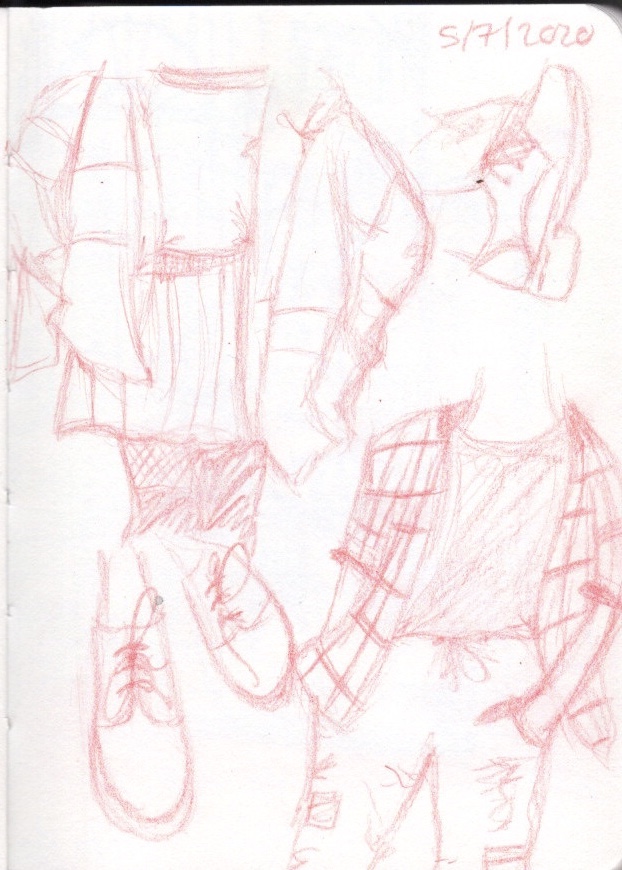
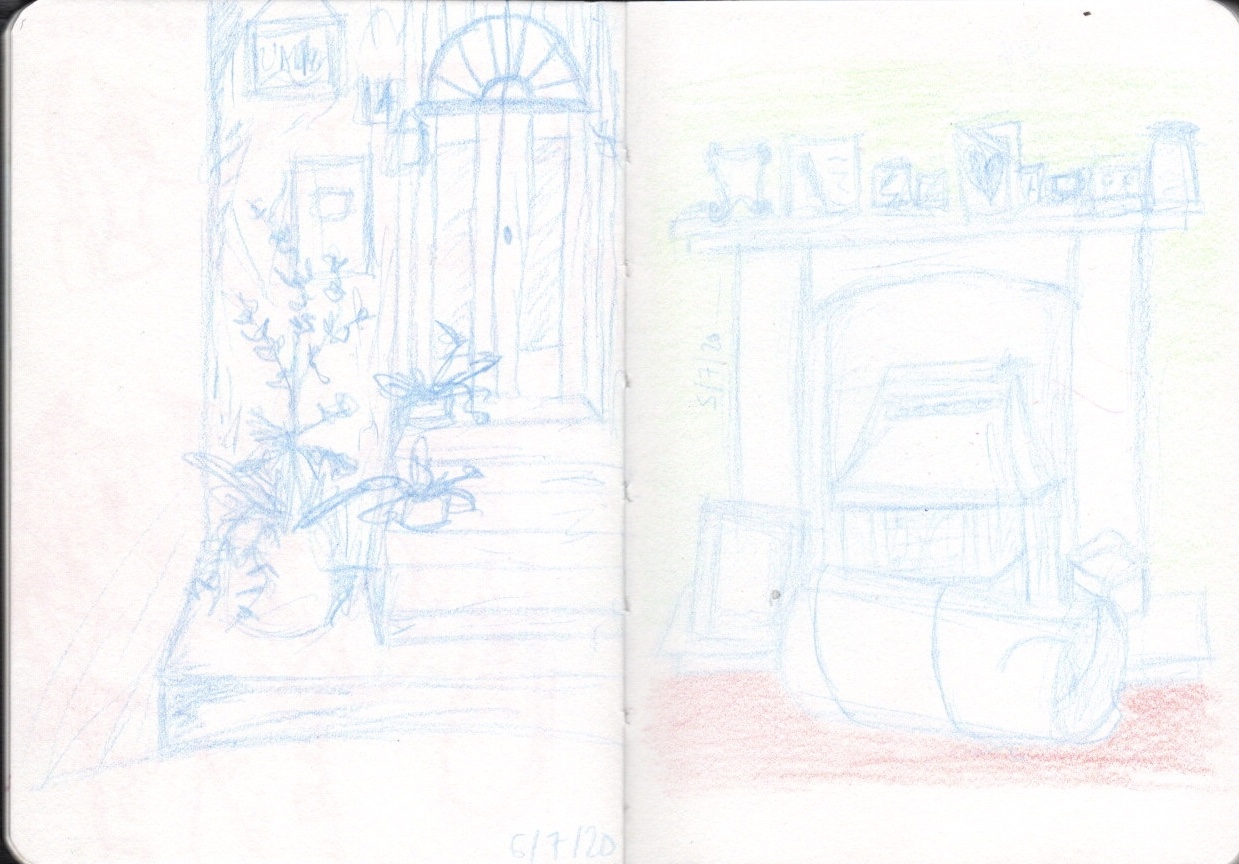
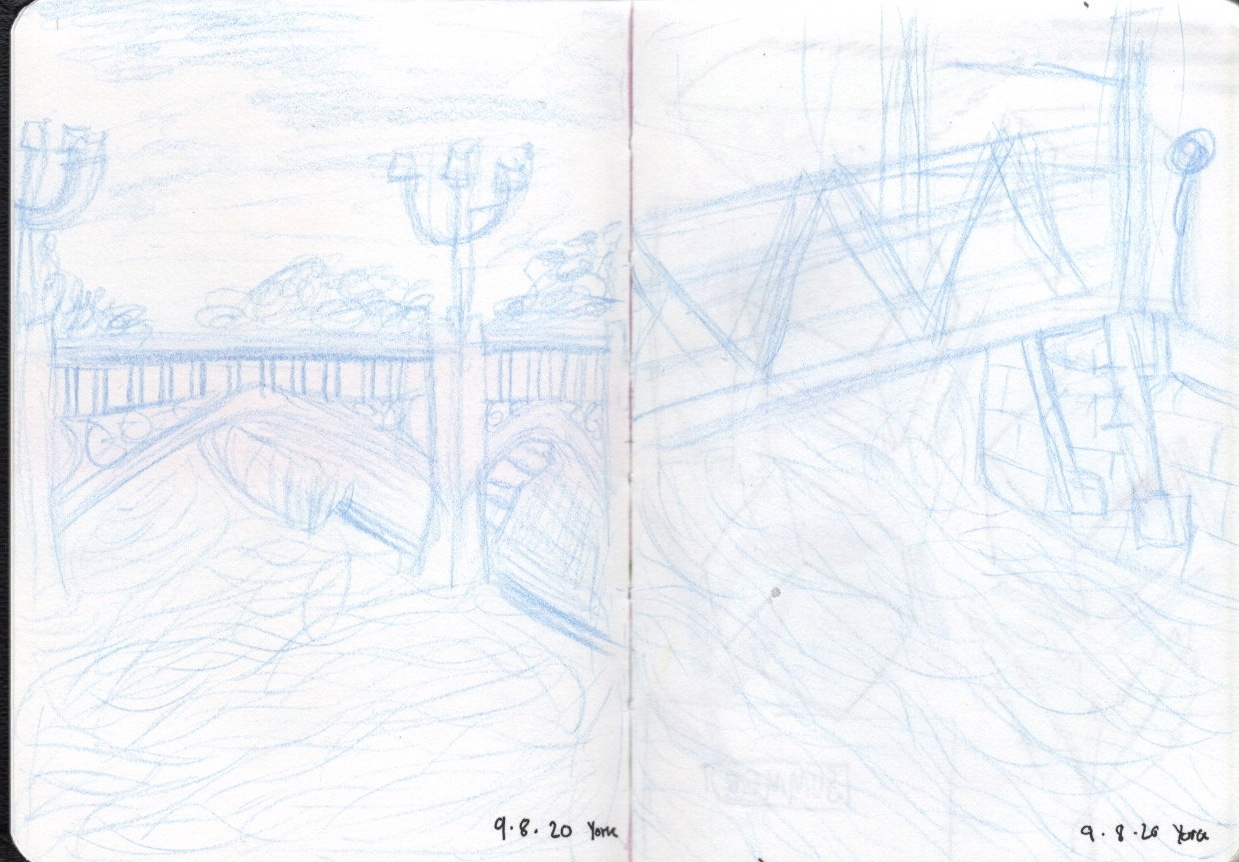
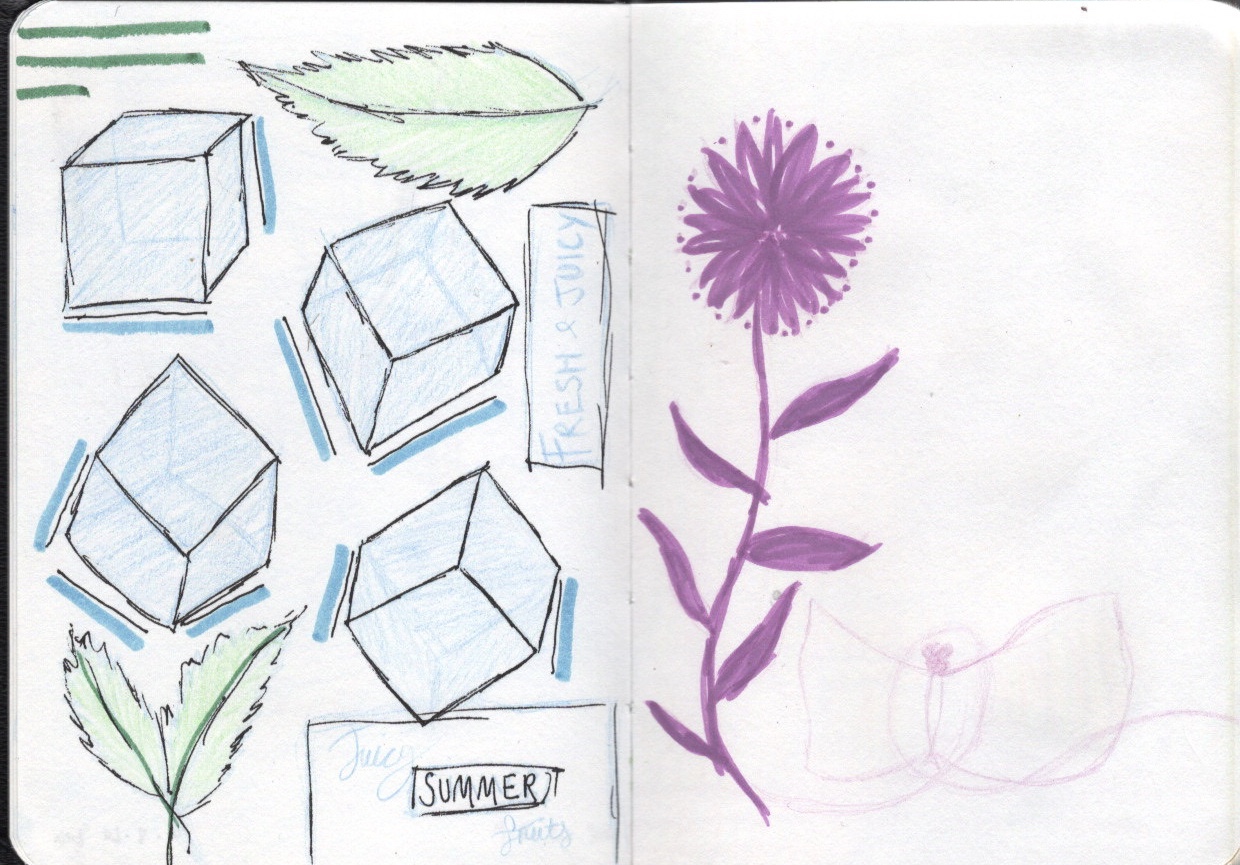
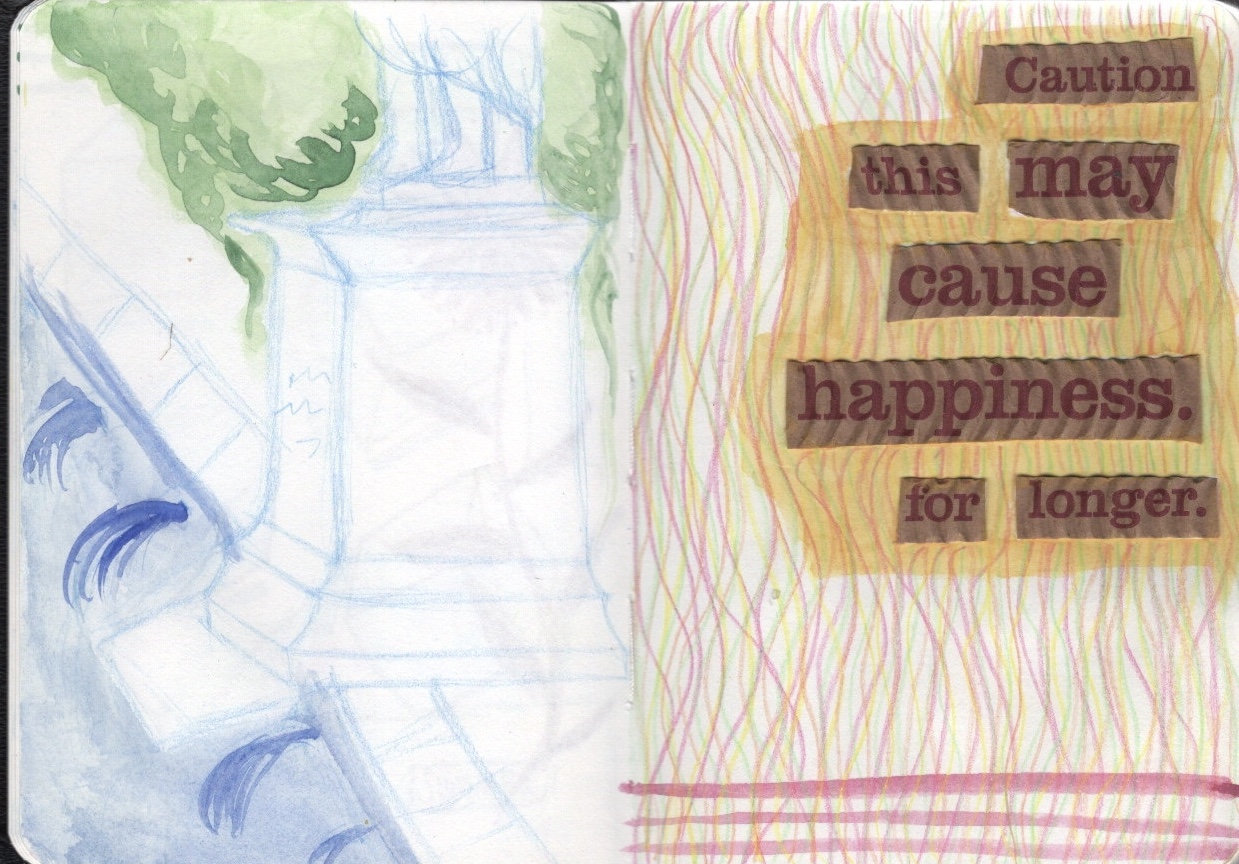
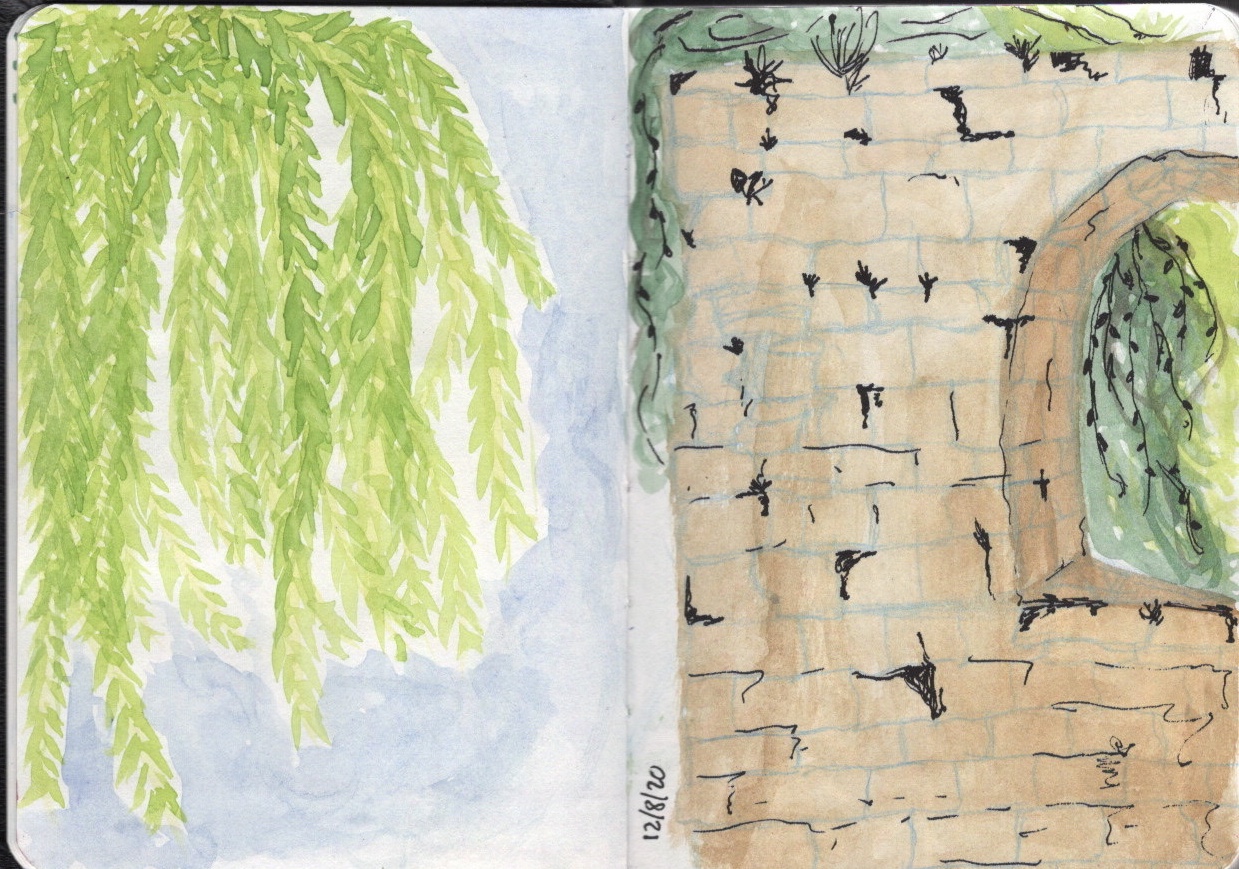
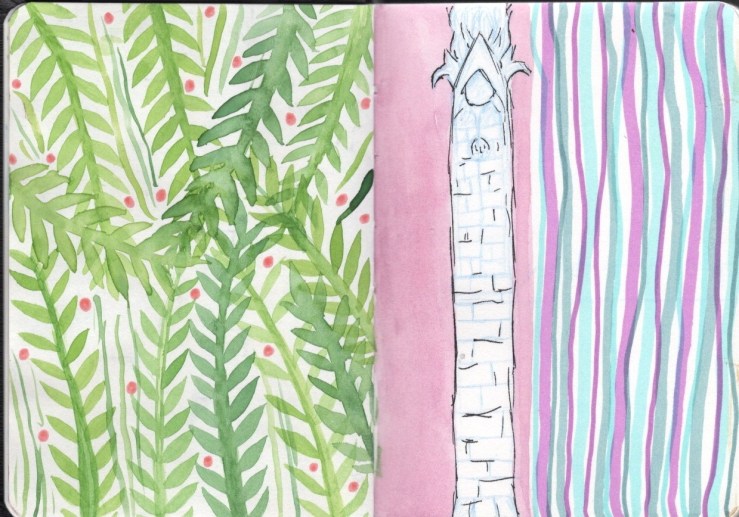
I also watched a lot of videos on how other artists sketch and use their own books. This was very inspiring and helped me feel more confident in my mistakes. Acknowledging that sketchbooks are not meant to be perfect pieces of finished art took my drawing abilities even further. After the 50s illustration exercise, I did some quick sketches from still life drawing classes on YouTube, which really helped with my ability to draw human form. Later, when I did the choosing content illustration, I found it much easier to draw the portrait of the man.
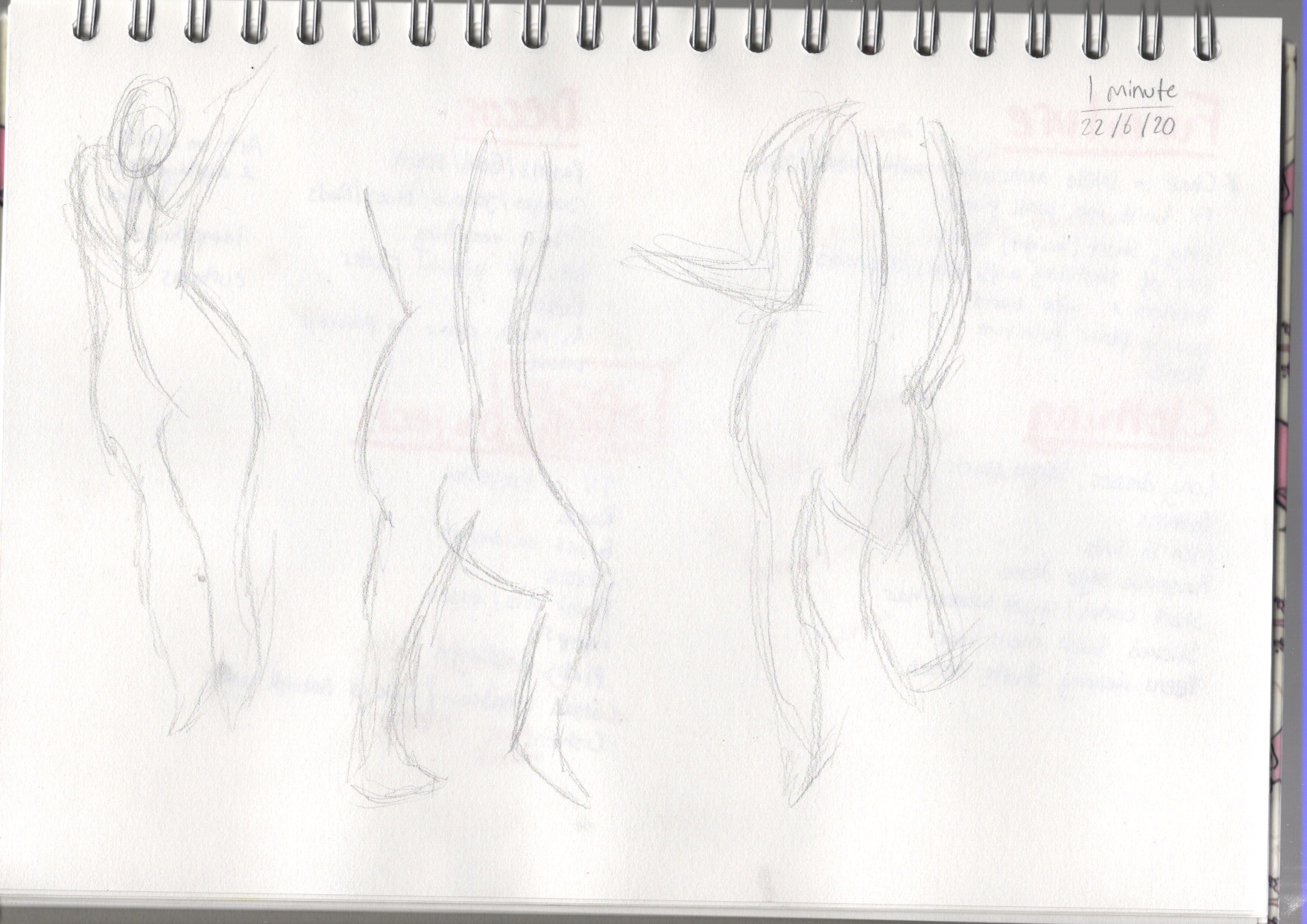
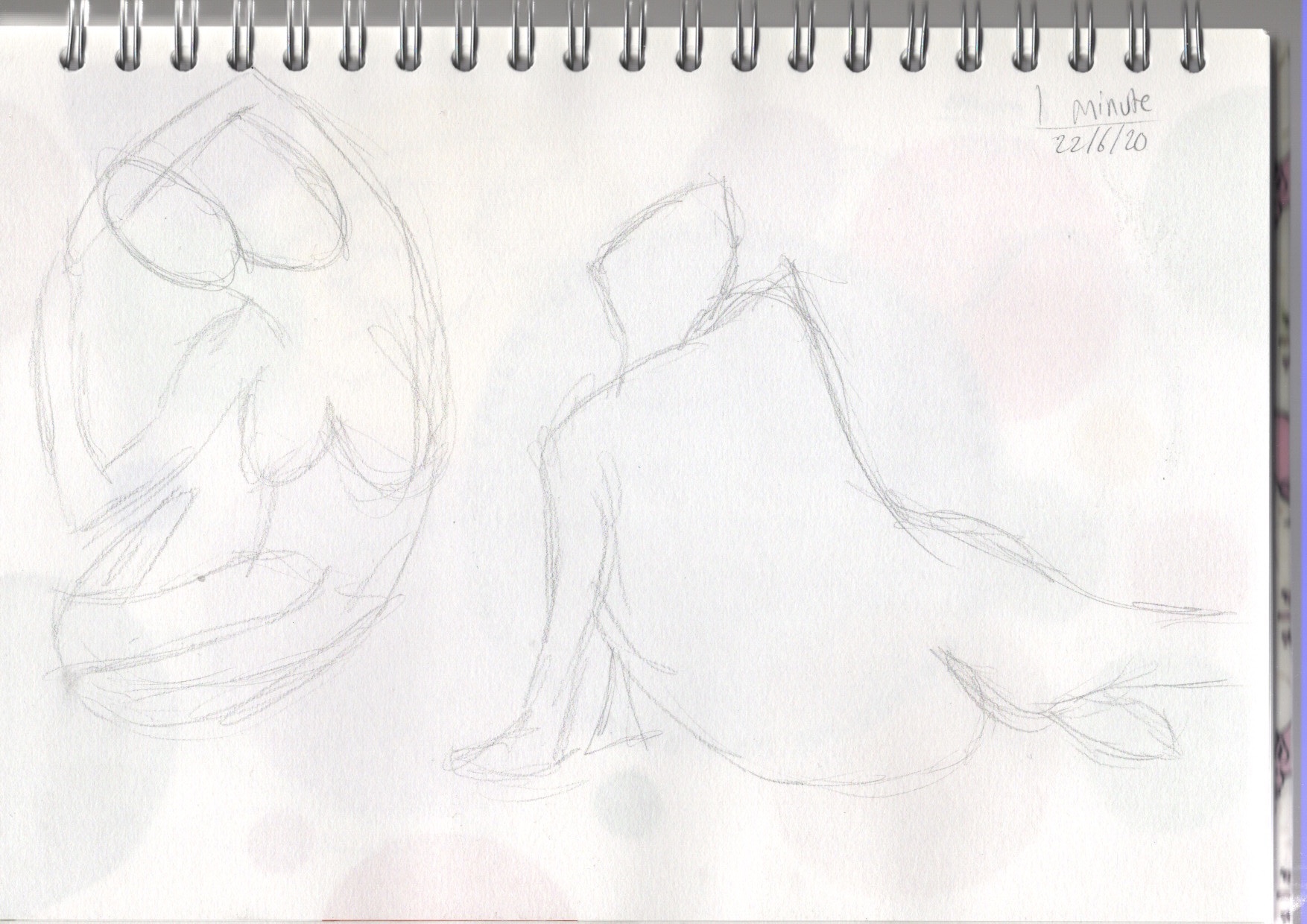
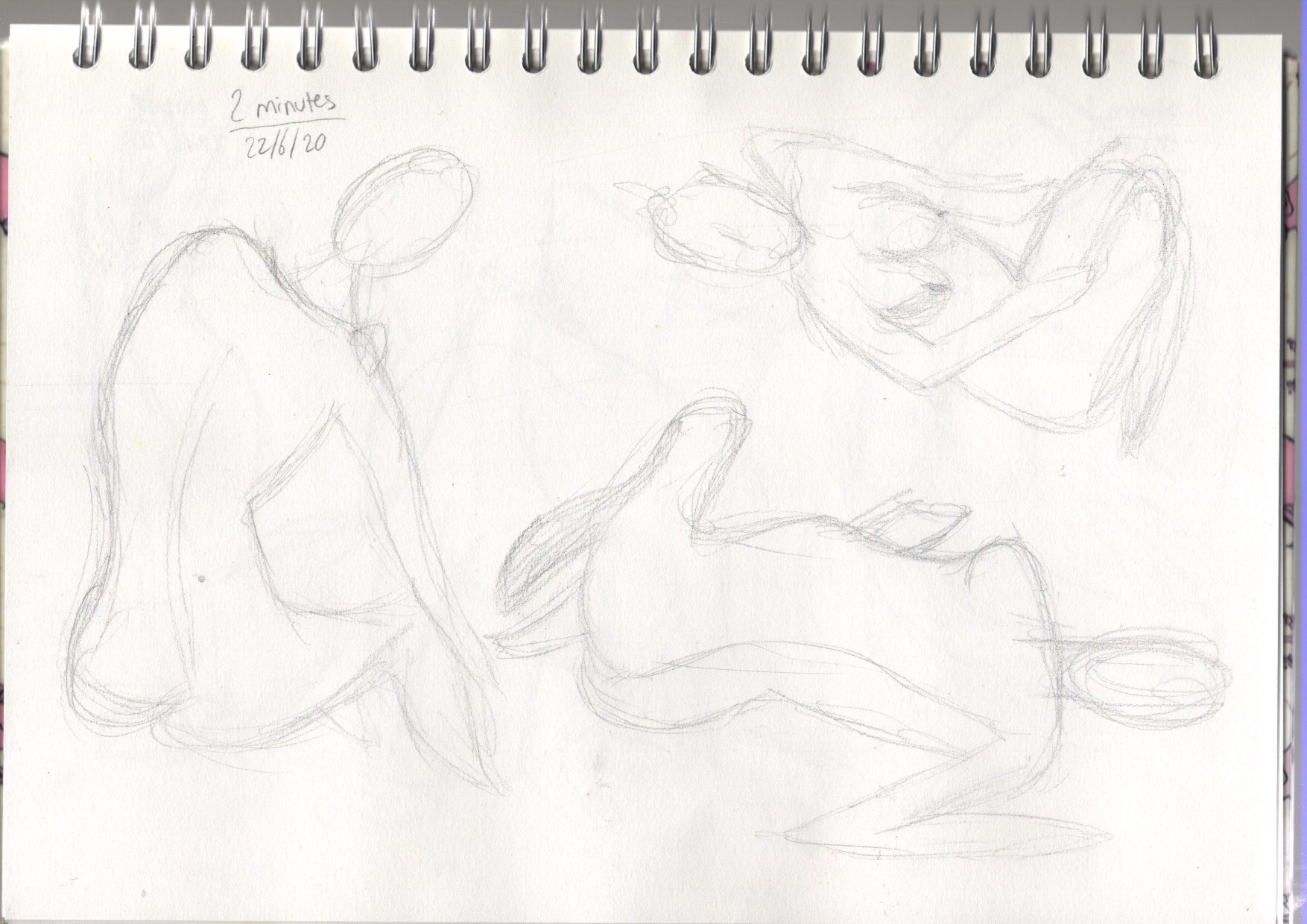
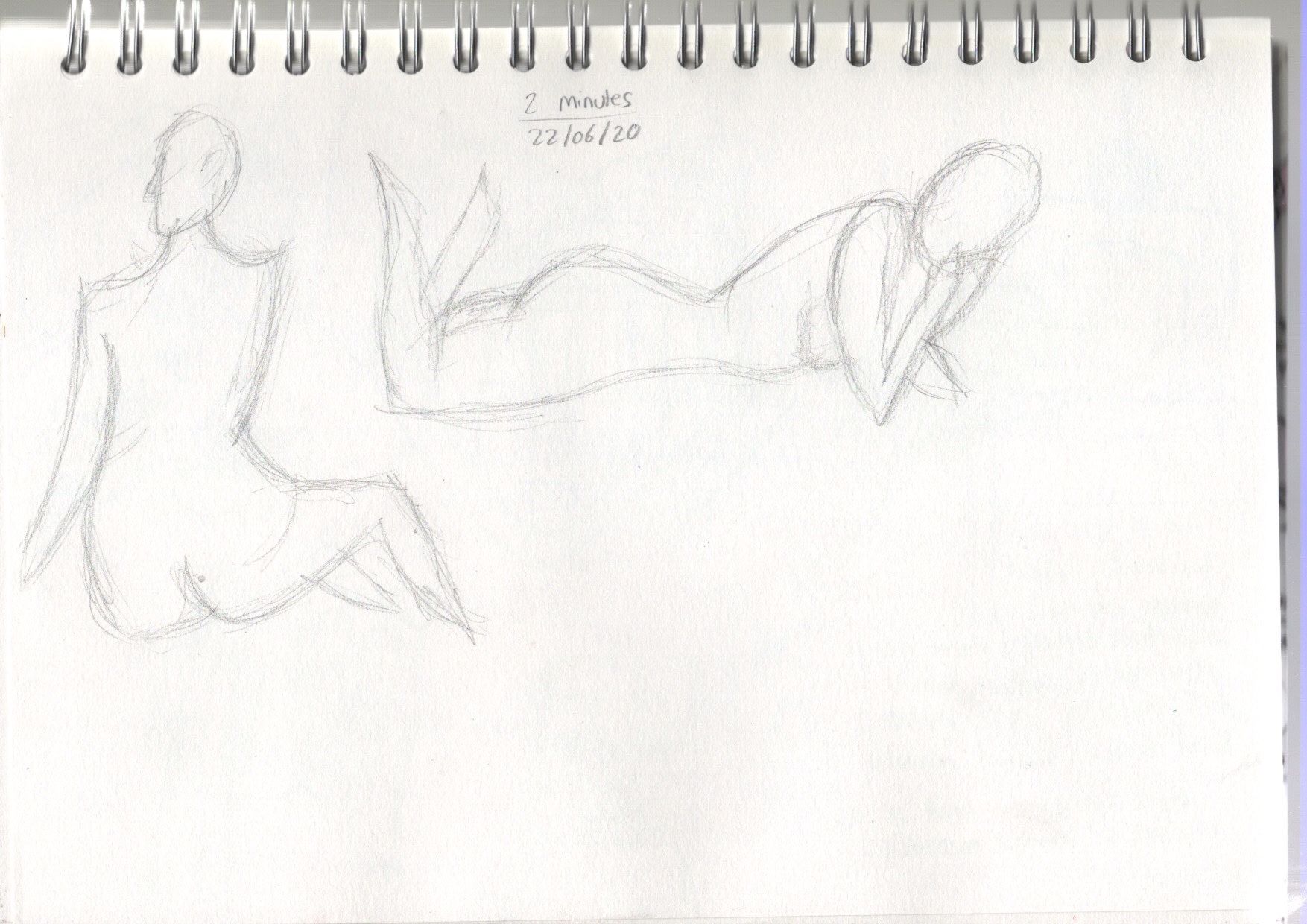
The drawing I have had to do throughout part 2 in various exercises has also aided my skills. It is no longer as daunting to begin drawing as it was when I first started, and I take a lot more time figuring out how to draw what I want to. I’m not afraid to experiment and make mistakes, as I’m learning that’s a part of the process. I also think a lot differently now when I view the world around me. I’m starting to see shapes as how they could be drawn, recognise photographs or spaces around me that would be fun to sketch, and see shadow and light in the objects I engage with. Viewing things in this way has also helped me enjoy drawing, as I actually want to document what I see.
Going forward, there are definitely more exercises I want to undertake. For a start, I would like to engage more with Drawing the Line, and do studies from it as I mentioned earlier. I also would like to make a list of all of the different drawing materials I could use in my sketchbook, and challenge myself to use them in different ways. The sketchbook exercise helped me identify which materials I would enjoy using in this way, which I appreciate. In addition, I would like to attempt some other drawing exercises, such as drawing without looking, continuous line drawings, drawing the same thing for different lengths of time, and creating drawings from random shapes on the page. Filling my sketchbook is an ongoing project that I am really looking forward to.
Overall, I would say my attitude towards drawing is now overwhelmingly positive. I can’t wait to start sketching, and always have my sketchbook and some drawing materials on me. I hope that over the course of this unit my love of drawing deepens and my ability to draw accurately, and perhaps even more freely, will increase.
 Learning Log