
For this exercise I had to make a small collection of items around a chosen theme and then use a digital camera to photograph the objects from various viewpoints. I was meant to experiment with zooming in and out, angles and positioning, different combinations of shapes and textures, and how the objects could be placed with each other. I then had to draw the various still life layouts in formats that differ from my camera viewpoint in order to further explore them. Finally, I had to pick my favourite design and ensure it communicated a specific idea about the theme I picked, and then draw it on a larger scale.
Out of the four themes – ‘Festival’, ‘The morning after’, ‘Summertime’, and ‘Workshop’ – I felt the most accessible to me was ‘Summertime’. I was quickly able to gather objects for this; a swimming costume, some suncream, my passport, a water bottle, a pair of sunglasses, a baseball cap, and a floral headband. This selection fit the theme well and also offered a wide range of textures, patterns, shape, and size, allowing me to experiment more. I then arranged the items on a small square table, hoping it would come in handy as a border later on.
At first, I very carefully positioned the items, ensuring everything was visible and organised. I then photographed this arrangement from various angles, exploring the possibilities. Through doing this, I started seeing how I could rearrange the items to look more exciting and tell different stories. Different viewpoints suited different arrangements better, and once I started photographing I could envision these changes easily. I then started moving around the items quite a bit, changing them depending on the angle I was photographing and the message I wanted to convey.

I actually found the process of moving around the objects more useful for exploring viewpoints than the photographing. Taking photos was helpful as it enabled me to see the items in a different light, but from these photos I continued to move around the objects, seeing what I could create next. It was very useful for idea generation and exploring how the placement of items can change the mood of a scene.
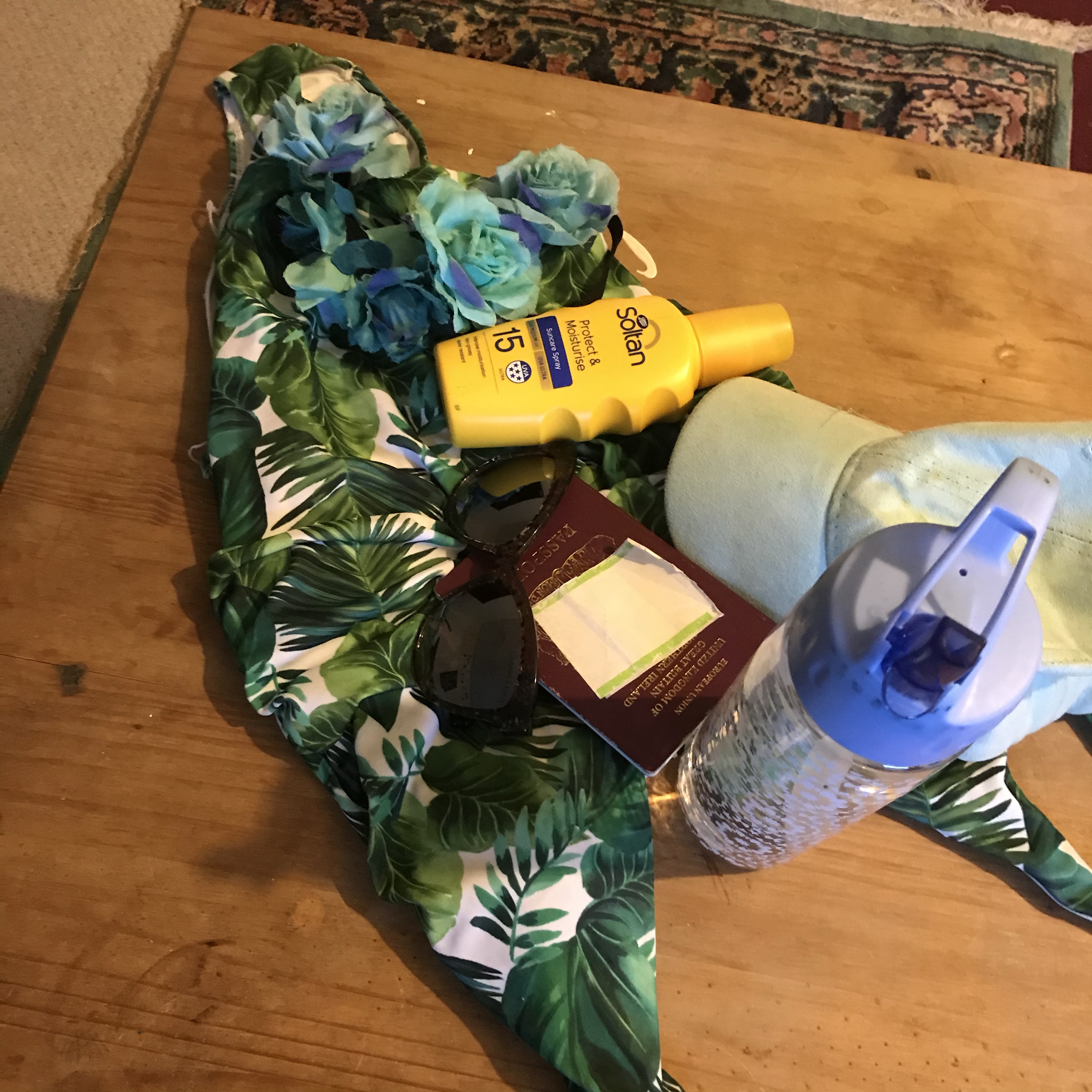
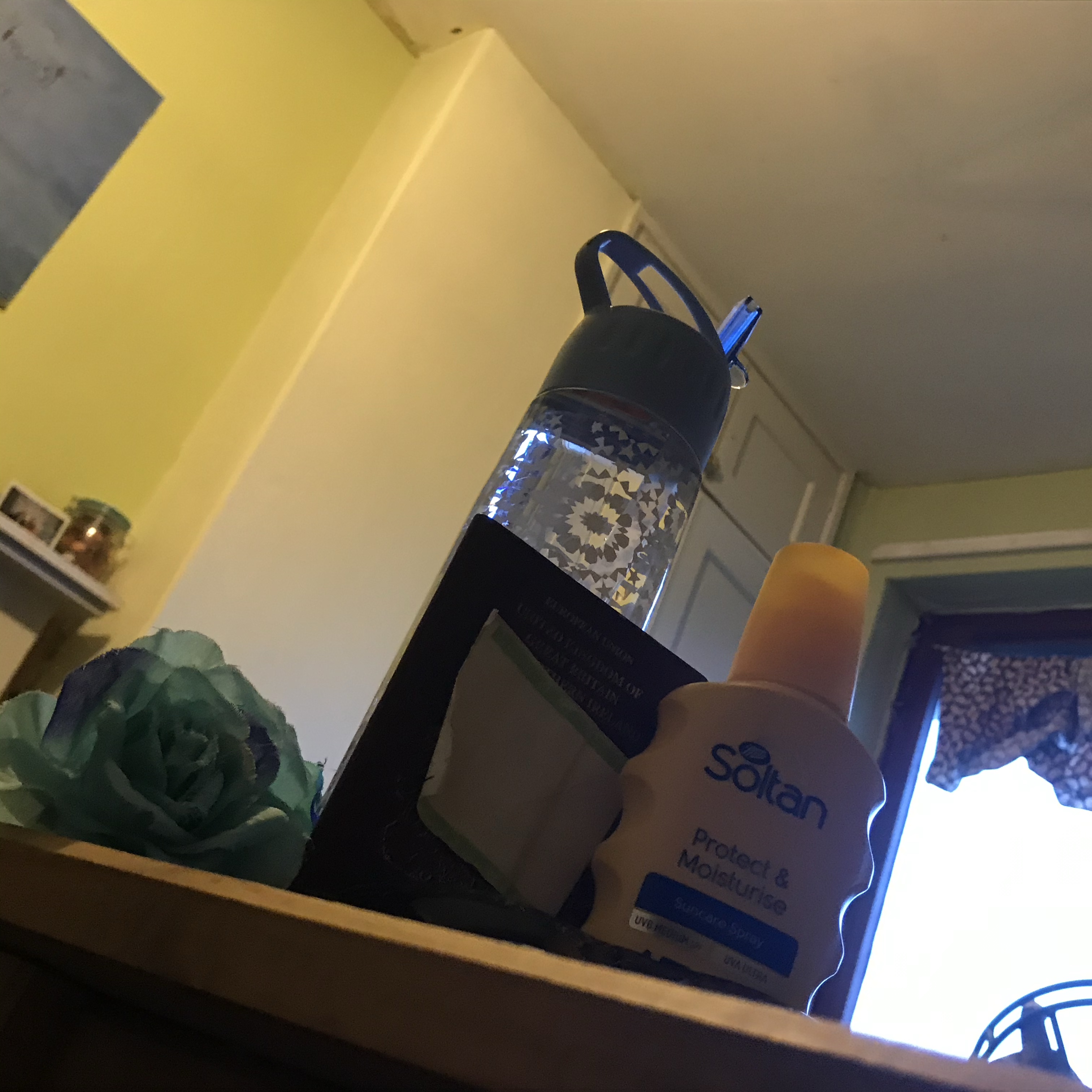
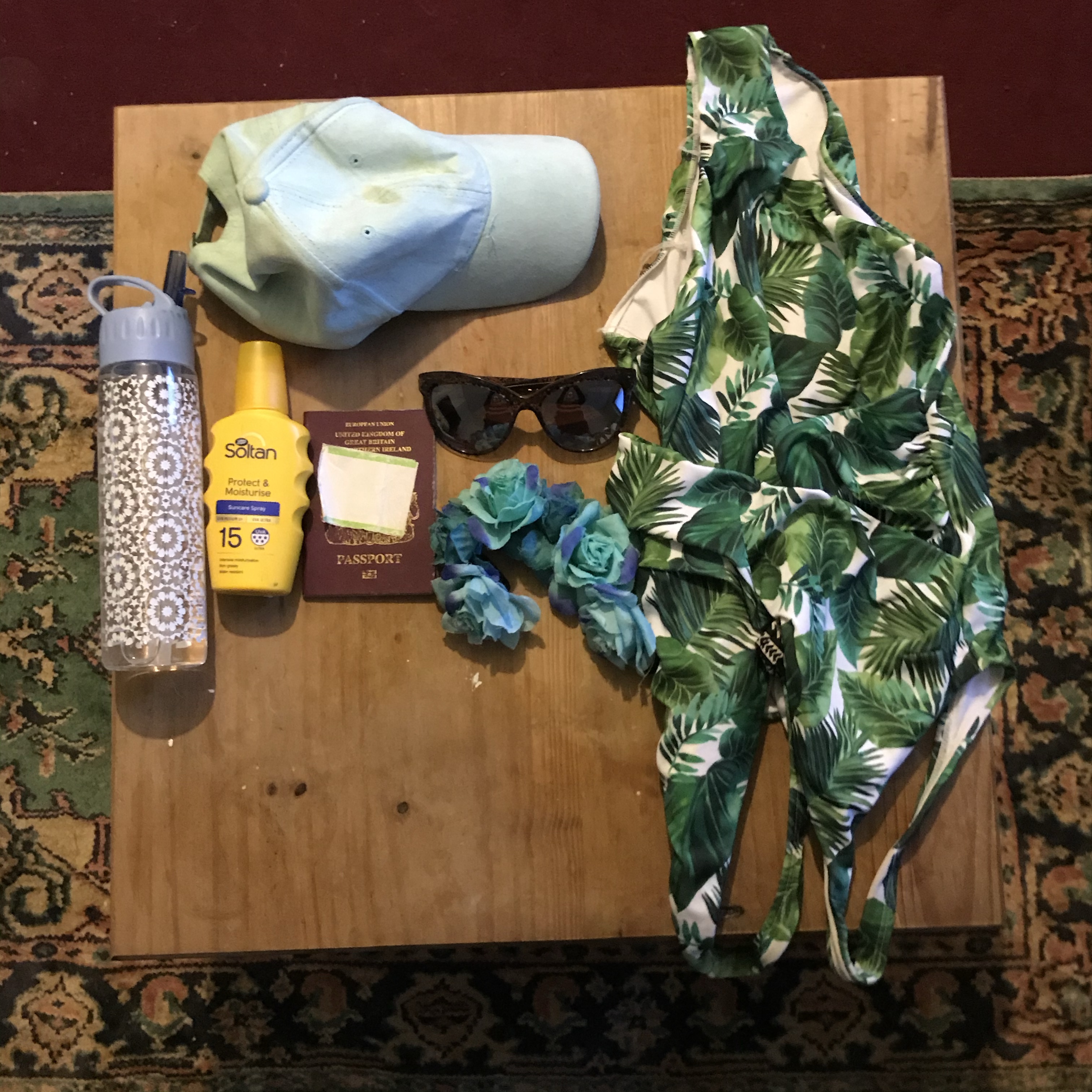

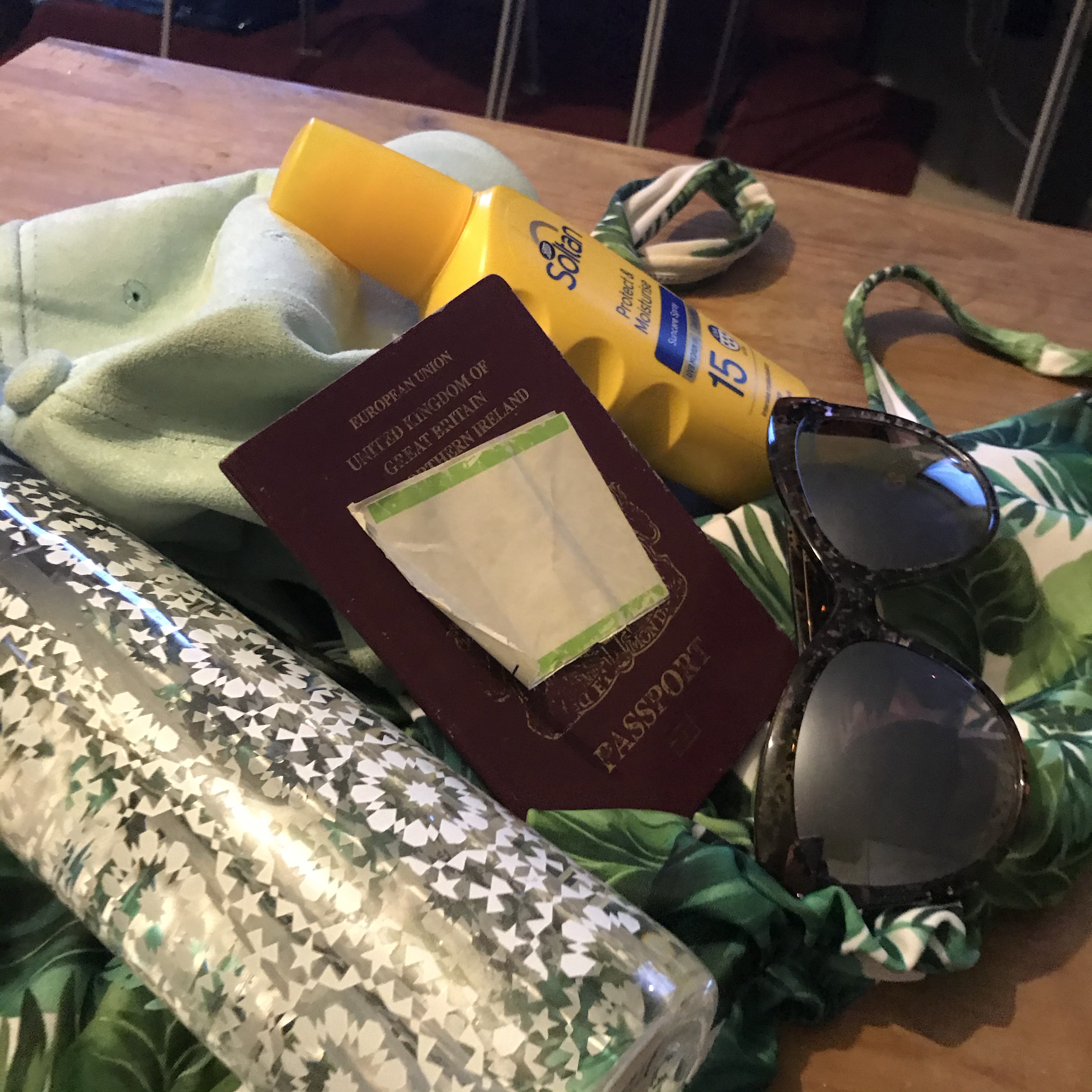
In total I took around 40 photos. There were 5 in particular that I thought had really interesting viewpoints which I wanted to explore more, as they had quite different viewpoints and conveyed very different feelings. I also wanted to sketch some less ‘appealing’ compositions, just to experiment and see how they work out. I began by drawing out 7 shapes, aiming for irregular and unusual, in order to draw out my still life. I wasn’t thinking much at the time about which images I would reproduce here, which was useful as it forced me to work in shapes I wouldn’t normally.

Next, I picked viewpoints that I felt fit each shape best, ensuring the message could be communicated and the objects in the still life clear enough to be understood. This sketching process was really enjoyable. I liked trying to figure out how to position objects within the confinements of my frames, and I felt like the progress I have made with sketching and drawing was highly visible. My favourite frame shapes were the square, the circle, and the odd zig-zag cut out I had drawn. I really liked how full the circle and square frames were, the busyness and sort of chaotic and spontaneous compositions within them appealed to me more than the more orderly, clear layouts of the other sketches.
The zig-zag frame was simply fun and different, which I appreciated too. When sketching within this frame, I started thinking about other ways I could utilise this ‘cut out’ effect. I considered a possibility of adding opaque circles of colour over a sketch, randomly and almost ‘cutting out’ or highlighting areas of it. I decided to continue with this idea and experiment with it a little, seeing how it impacted the composition and layout of my piece. I did a very rough sketch of one of the photos to act as a base for the colour, then used watercolour paint to add circles. I did like the concept, but wasn’t sure if it was right for this composition or exercise.

In my initial sketches I only sketched one of my five favourite images, so I decided to draw out four more frames and sketch the remaining layouts. Throughout the sketching process I had been considering what mood I wanted to convey with my imagery. I settled on ‘fun’, as I felt this was very summery and could be expressed easily with the viewpoints I had explored. The four square sketches I completed didn’t quite scream ‘fun’ to me – my favourite was still my initial square sketch. It felt a little too chaotic, however, and some items were unrecognisable. I went back and looked through my photographs again and found a similar composition and viewpoint that I felt was a clearer image and still conveyed ‘fun’.

I chose to stick with the square format as I was enjoying how my sketches looked. I also decided to zoom in a little to get a fuller image. I then sketched out the composition in a lighter colour pencil, before going over it with a darker pencil and establishing the lines. When drawn on a larger scale without colour or a great deal of shading, I feel like there’s too much empty space in this image. This could be changed slightly if I had added the pattern to the swimming costume, but I opted not to as it was quite complicated. I really like the composition, however, and definitely think it could be a starting point for a completed illustration.

There were several different words I think these objects illustrated – ‘holiday’, ‘packing’, ‘beach’, ‘prepared’, ‘summer’, and of course ‘fun’ – are all examples I came up with when exploring the viewpoints. It was really interesting to see how changing the composition of the objects, along with how the objects were being viewed, changed the meaning of the image. I felt it was a useful tool for idea development and exploring possibilities when reaching a final design. This exercise also helped me with learning the importance of drawing the same object repeatedly, especially from many different angles. I gained a lot from doing this and I would like to repeat the exercise often with various objects in order to widen my drawing abilities.
 Learning Log
[…] I chose to experiment with these possibilities in the creation of my still life, much like I did in Exercise 19. I started by laying out my chosen objects so I could get a feel for how they looked when assembled […]
LikeLike