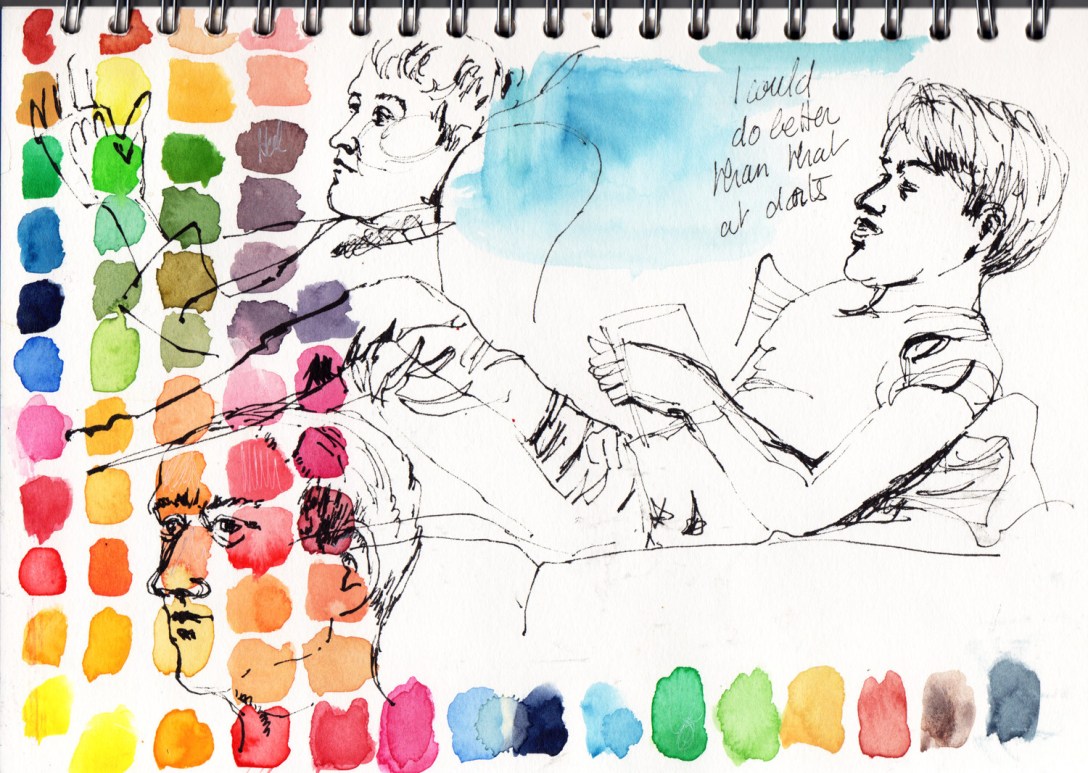
For this research task, I was asked to look at the rapid sketching work of Sophie Peanut, comparing her working methods to my own and identifying other artists who work in similar ways. I followed the link provided in the unit materials to Peanut’s page on 5-minute sketches and had a quick click around the rest of her website to see how her methodology influences the rest of her work.
Sophie Peanut’s finished illustrations are playfully messy, abstract, and endearing. Her sketchbook work, as she describes, is much of the same. She speaks of the value of drawing in the waiting space between day to day activities and how doing this repeatedly improves one’s drawing skills. Based on my own experiences with rapid sketching, I would have to agree – it is of huge help. She advises arriving early to events or sticking behind after, making time for sketching, and just drawing whatever is in front of you without thinking.
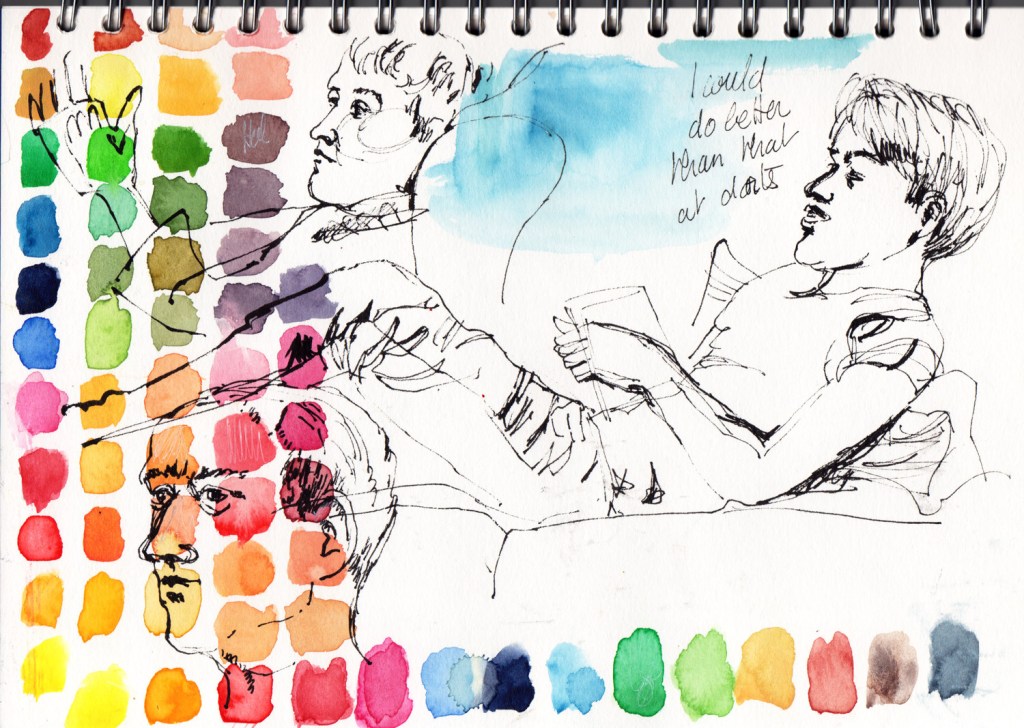
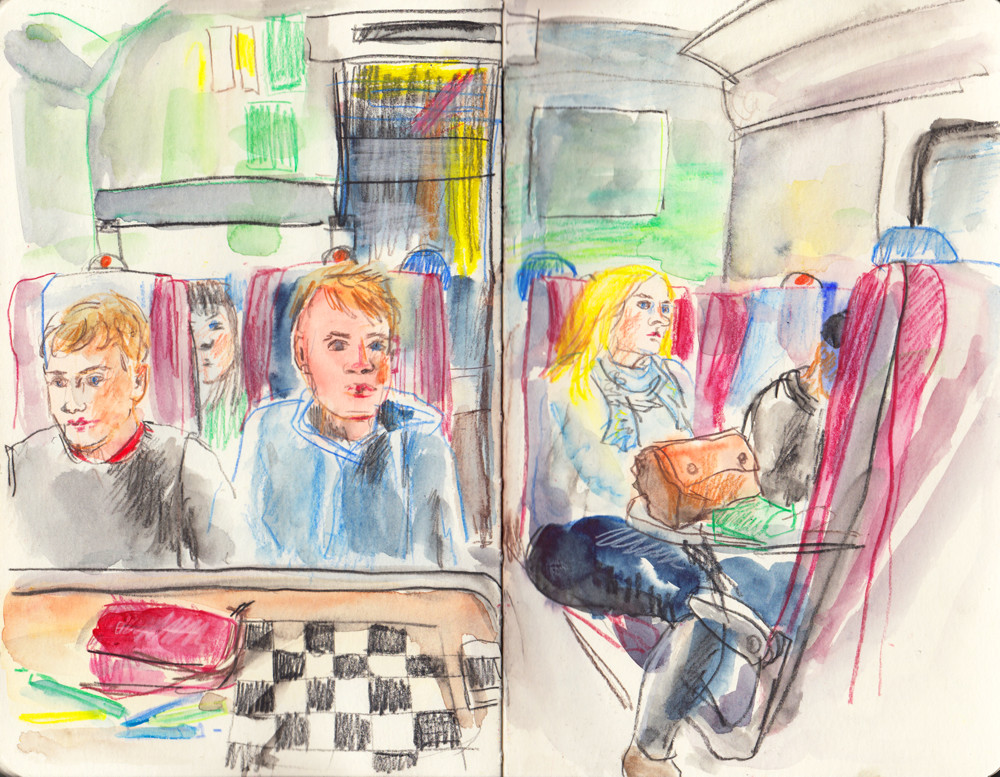
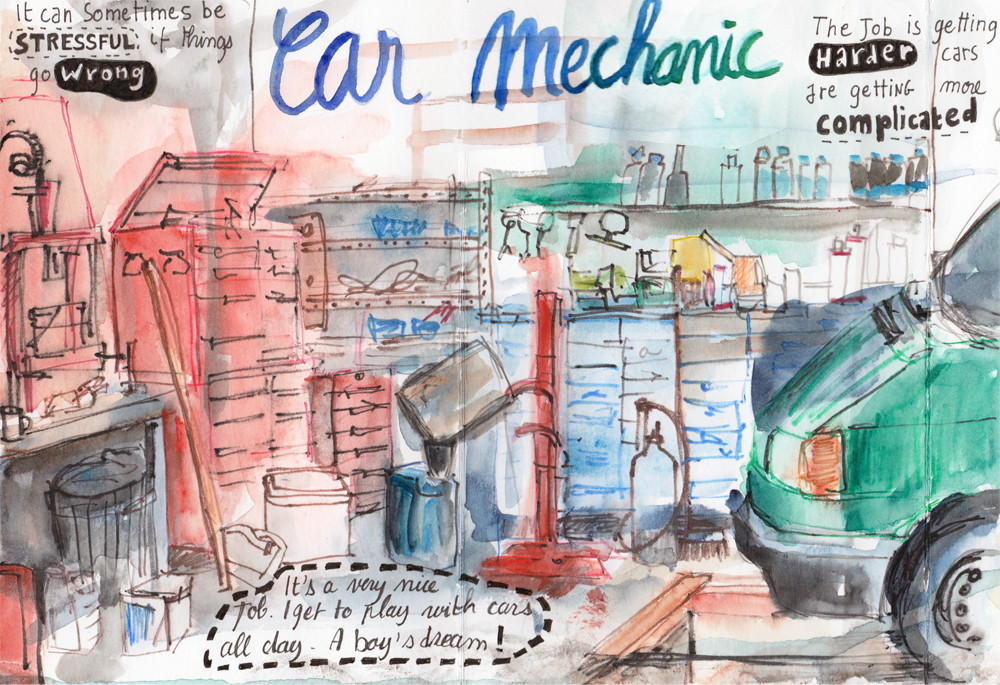
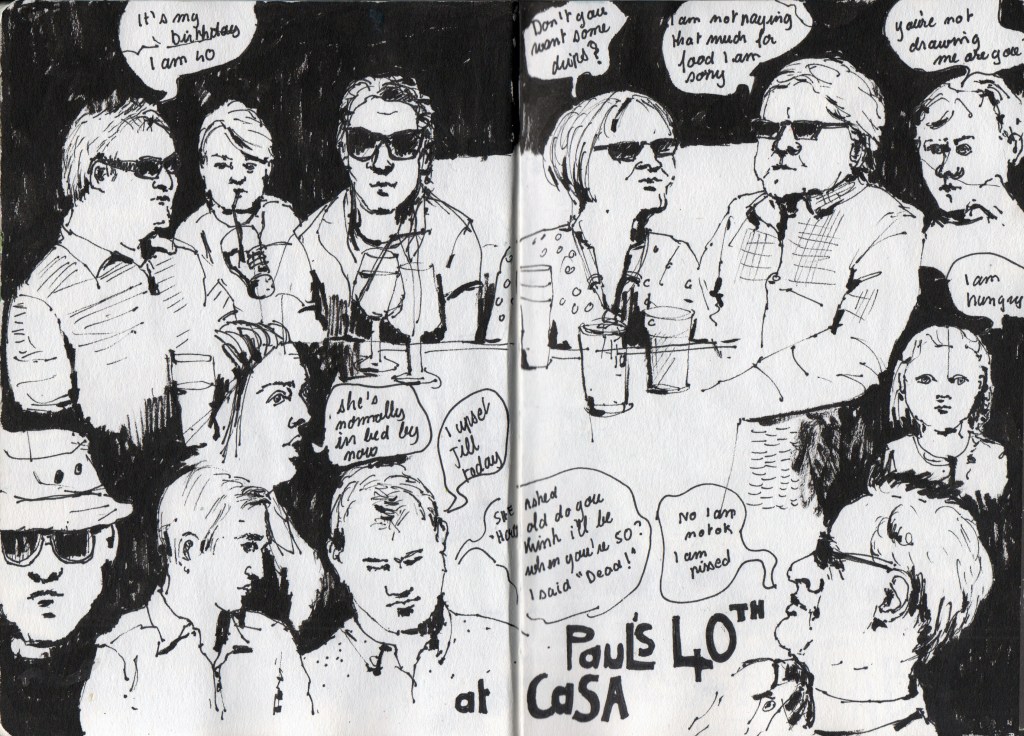
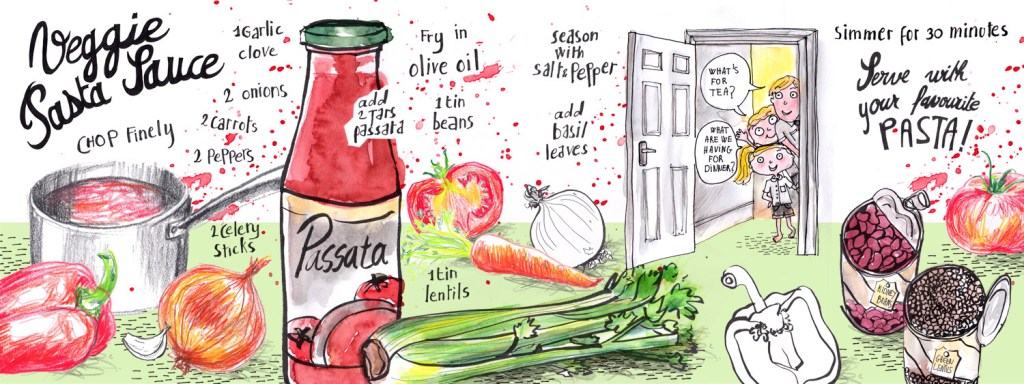
I really value and appreciate her outlook on sketchbooks and sketching as a process. I personally find rapid studies much more beneficial than lengthy, accurate portrayals of my references, but then again, I am more abstractly inclined in my creative processes. I especially love the way her sketchbook pages are constructed, overlapping and intertwining with each other and slowly building up into a whole ‘piece’. I feel these pages would provide much inspiration looking back at them in future.
As I haven’t been able to leave the house much in the past year, I feel I’ve been missing out on a lot of these processes, and it’s something I hope to build on more as I am able to go out and about again. The sketchbook pages from when I was able to be more active in 2020 are similar in their builds, rapid and spontaneous sketches and pages that I slowly added to over time. I like going back and adding drawings or colour or patterns in the gaps in pages – I love a maximalist sketchbook absolutely full of stuff from my mind.
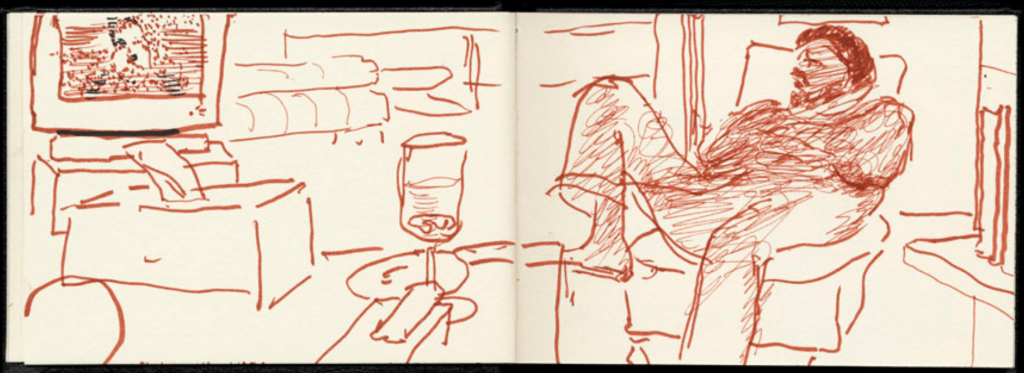
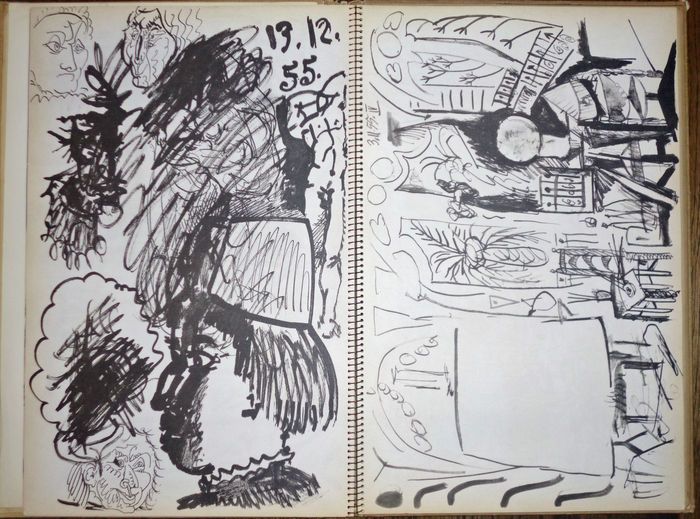
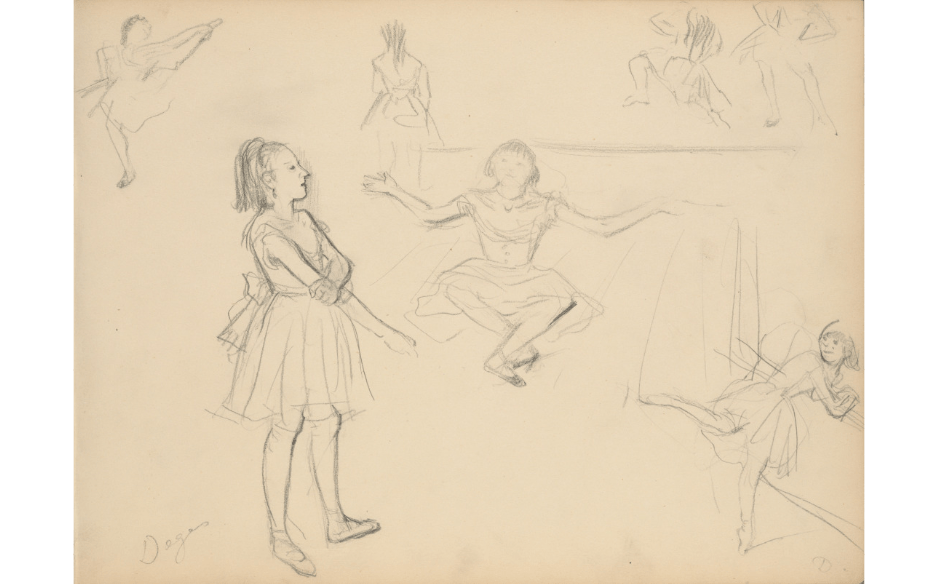
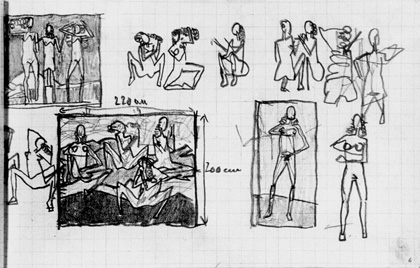
Other artists who have similar rapid styles in their sketchbooks include David Hockney, Picasso, Egon Schiele, and Edgar Degas. Hockney’s focus is perhaps most alike Peanut’s as he works to document the world around him and draw everything he sees. Schiele’s rapid sketchbook work has become famous in its own right, and Degas’s sketches of dancers in motion have a similar level of recognition in the art world today. The mediums, styles, and techniques used differ between all five artists, but the loose and free linework is consistent between them.
I believe you could argue that all artists will use rapid sketching in their studies at some point in their lives. Some artists may be more drawn to it as a process and feel it inspires their creative practice more than others, but even those who prefer to take it slow and ensure accuracy in their artwork will see the benefit to making the most of the time they have. I can’t actually find a single downside to the process, and I am definitely curious to see why people may think it’s bad. Ultimately, I believe expanding your brains capacity for drawing will always be useful.
 Learning Log