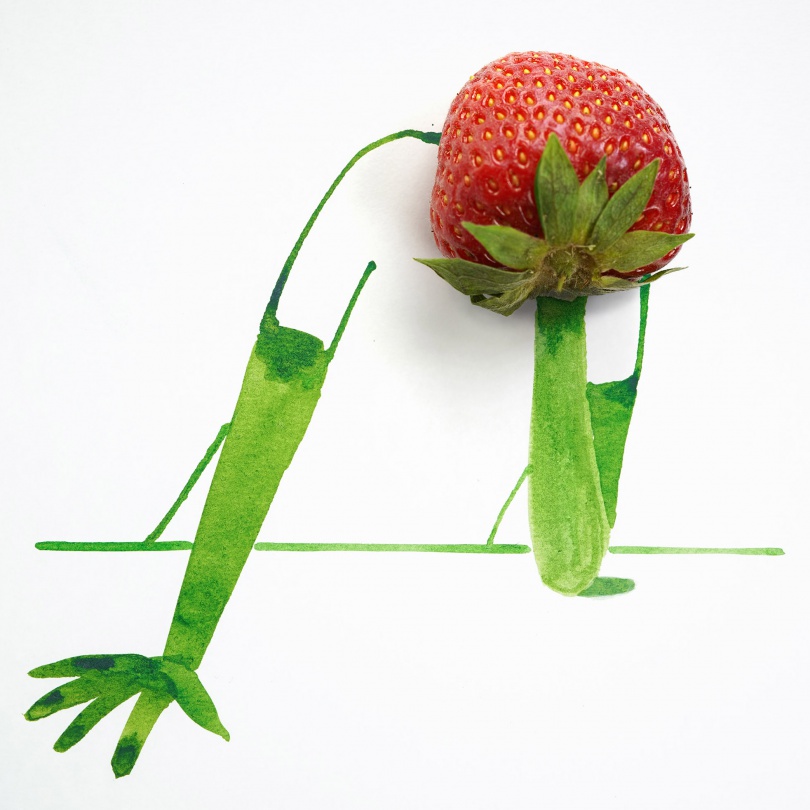
Christoph Niemann and Saul Steinberg are both illustrators who have worked extensively with the New Yorker magazine in their careers. Steinberg was Niemann’s predecessor, active from 1914 to 1999. Niemann is still active as an illustrator and began his creative career around 1997. Alongside more traditional illustrative work, a notable approach taken by both artists is an incorporation of everyday objects in their work. In this exercise, I was asked to compare both artists, focusing specifically on this integration of found objects.
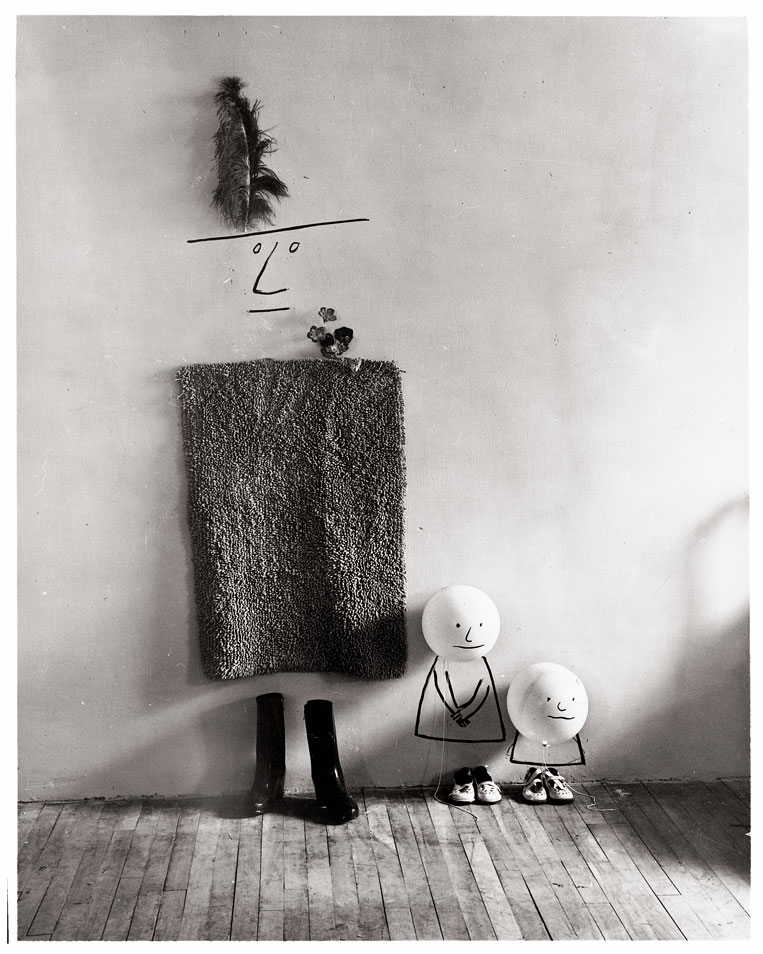
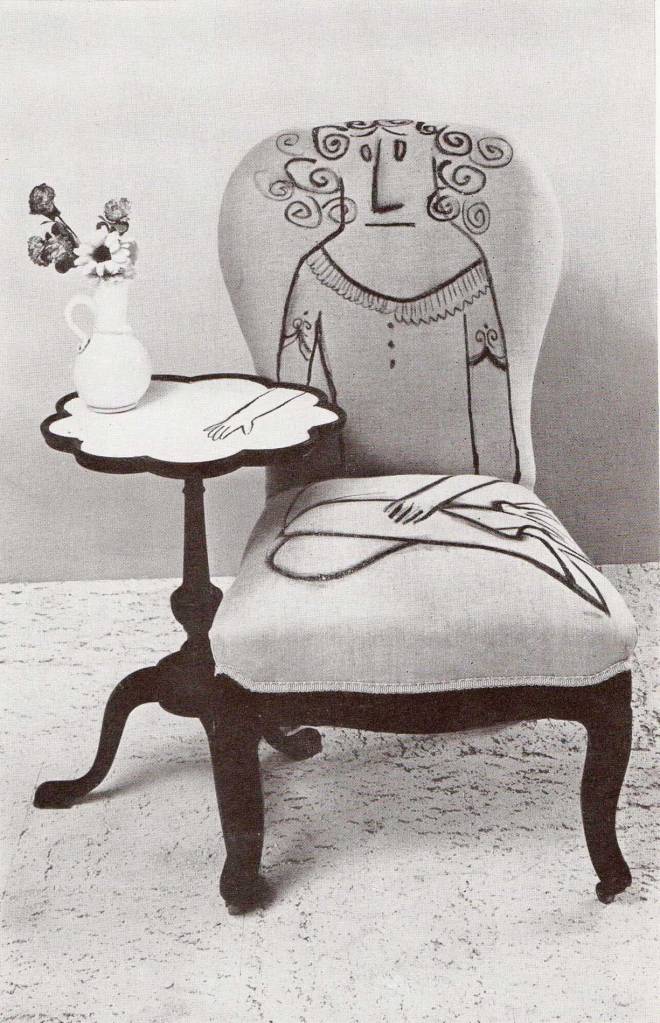
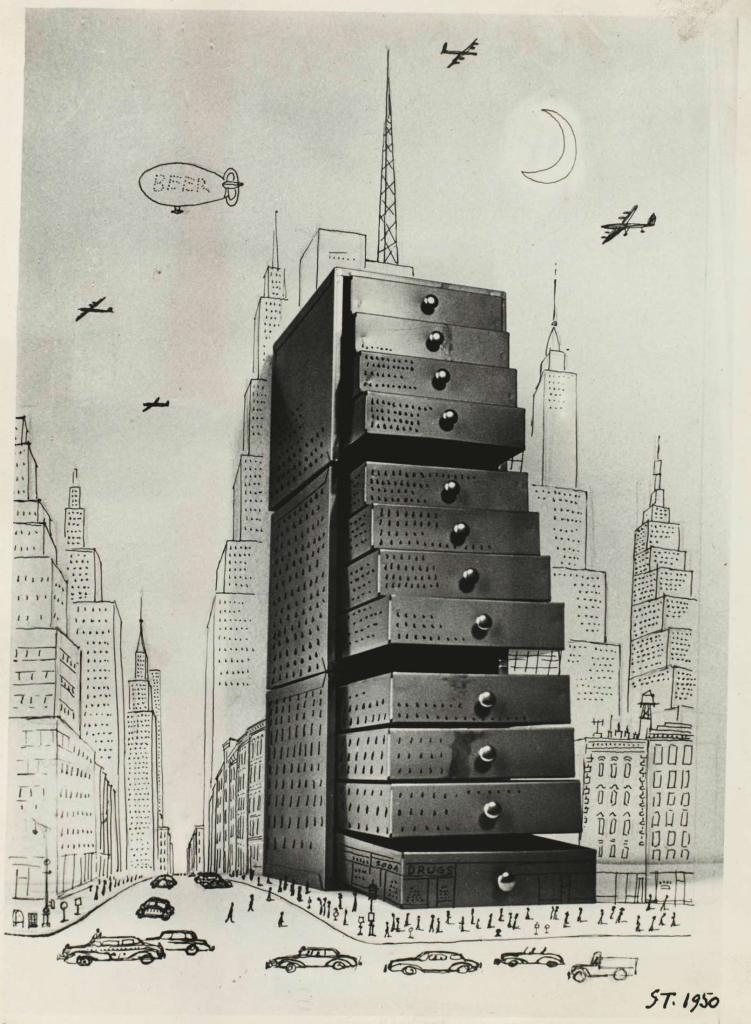
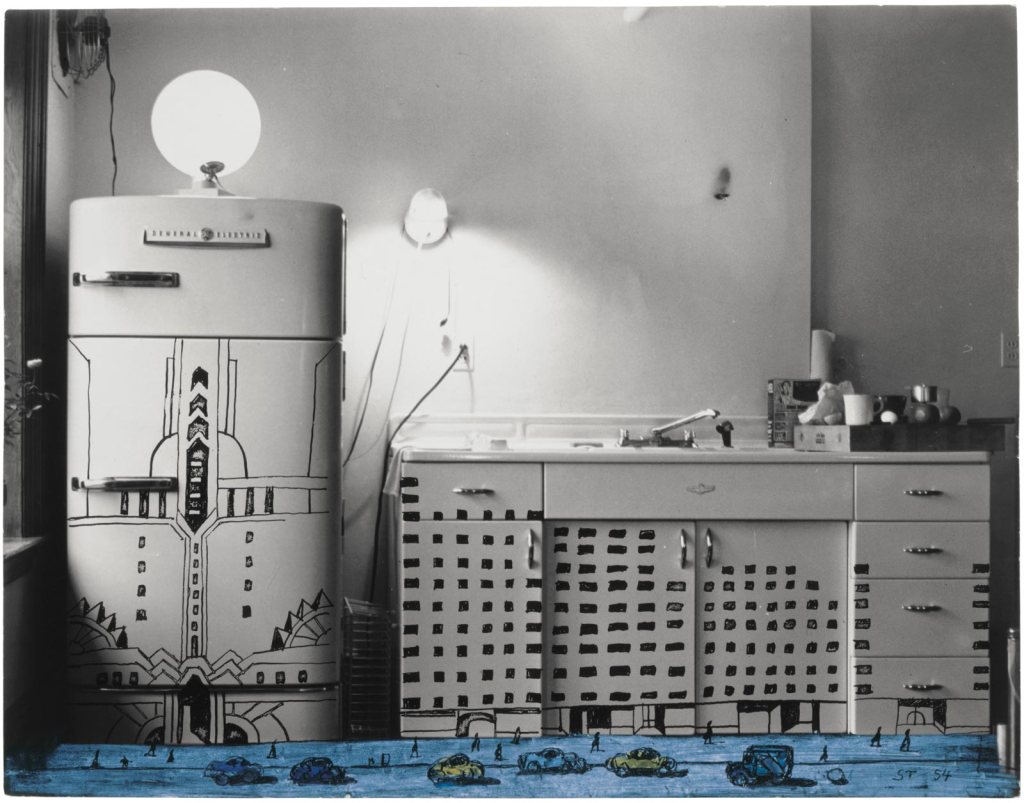
Before illustrating for the New Yorker, Steinberg’s career began with illustrations for an Italian humour magazine which were similar in style to the comics found at the back of newspapers. He then went on to draw satirical anti-fascist pieces for a range of US magazines throughout World War Two. It is clear that this light-hearted and comedic approach to drawing formed a foundation for Steinberg’s future work, and really, entire career. His New Yorker features are equally playful and humourous, despite the audience shifting and the purpose changing. His personal work carries much of the same undertones, as clearly shown in his series Photoworks.
In Photoworks, Steinberg photographs objects, usually in arranged scenes, and adds narrative post-printing by drawing characters, landscapes, and various other elements. The finished result is a fun, playful, and imaginative view of the world. Compared to his illustrations for editorial publication, these pieces have less of a political narrative behind them. They feel fun just for the sake of being fun, not to try to mock anything or encourage the reader to question their beliefs. Well, not politically anyway – the drawn elements of these images bring a whole new meaning to the objects used, which definitely prompts the viewer to think differently about the spaces around them.
After Photoworks, Steinberg continued to use found objects in his personal work. Exhibitions produced throughout 1952-55 incorporated textiles in his drawings, and it is clear much of his inspiration can be tied to work done during Photoworks. Beyond this, his work continued to explore the usage of ‘unusual’ objects, drawing surfaces, and tools – such as illustrations on graph and music paper, using fingerprints and stamps, and intentionally illegible handwriting. Steinberg’s entire career as an artist seemed to be focused on subverting the expected drawing process and exploring alternative possibilities.
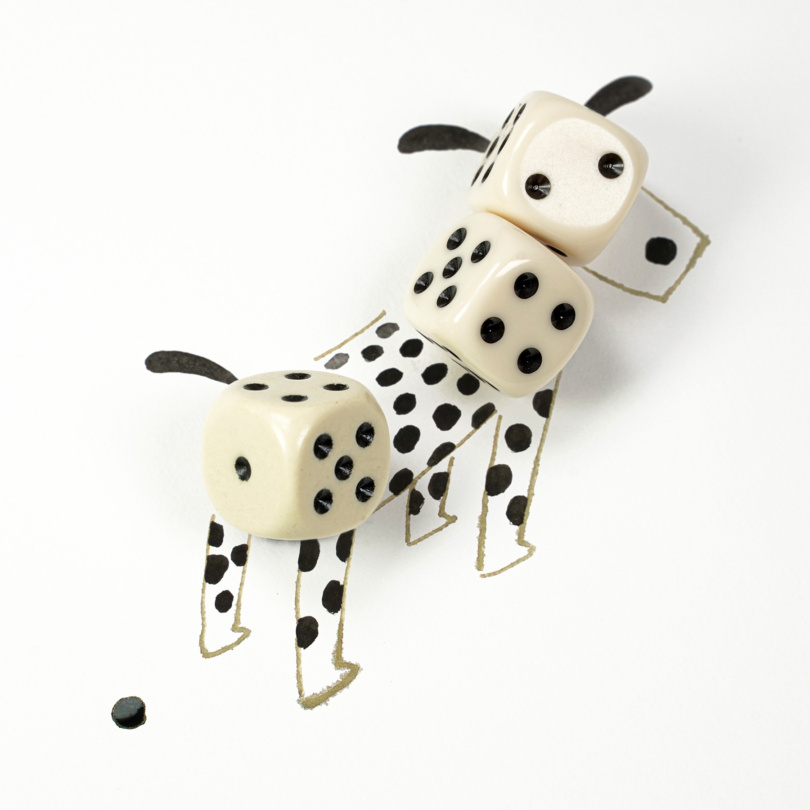
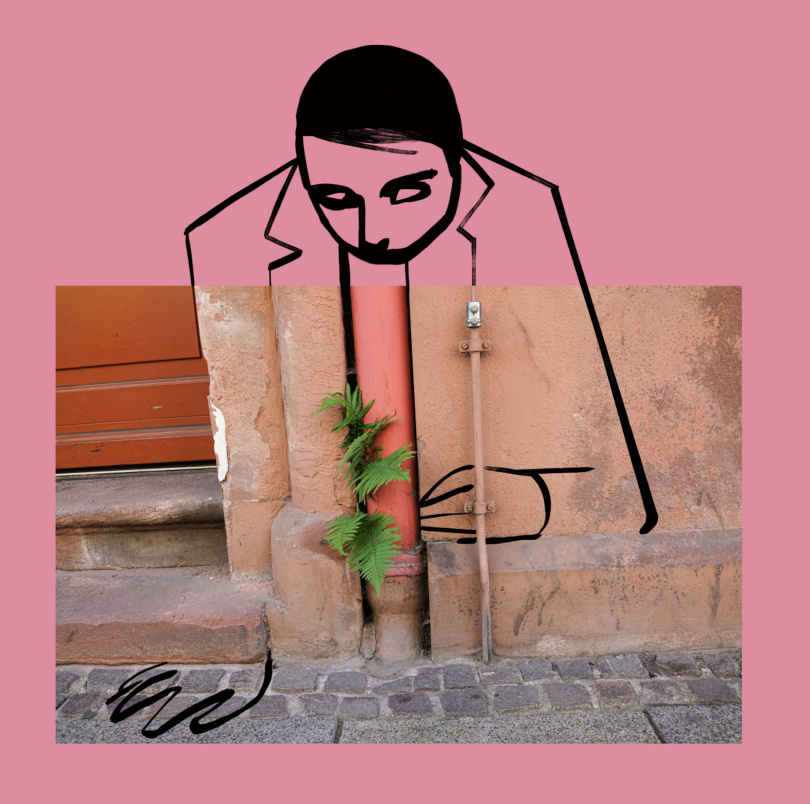
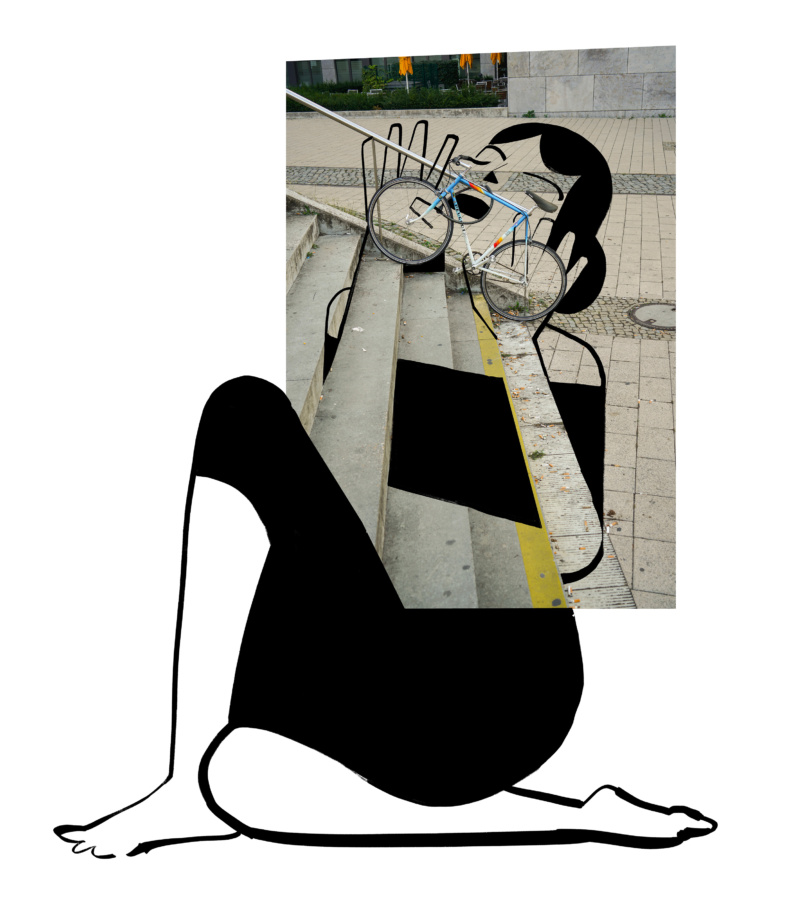
Christoph Niemann’s work has a great deal in common with Steinberg’s approaches – he is, after all, his successor. Perhaps the most obvious difference between the two artists is that Niemann uses a range of mediums such as various paints and digital mediums alongside the more simplistic drawings that Steinberg produced. Niemann also uses plenty of colour in his illustrations, something that was missing from almost every piece in Steinberg’s body of work. This could be due to the different periods of time both were active in, though it could also be an intentional choice – Steinberg seemed to value the playfulness in simplicity.
Niemann’s incorporation of objects into his work is very similar to Steinberg’s Photoworks. He takes objects and scenes and provides additional narrative by either drawing over a photograph or painting alongside it prior to photographing. The first thing I notice that stands out is that Niemann seems to prefer using one single object and playing with how it could be perceived when a narrative is added. Steinberg, however, plays around with many objects and creates scenes with them, adding narrative post-photographing. Niemann’s style is abstract and fun but doesn’t have the more traditional comic inspiration that Steinberg’s style does. This is noticeable more in his work that doesn’t use found objects.
Steinberg’s creative path led him to question ‘what can I use this for?’ in nearly everything he produced. The more he explored that question, the more interesting his incorporation of found objects became. Niemann, however, seems to have taken a brief detour, experimented with found objects, then moved on to other things. This experimentation does seem to have inspired his later work, though more in how he perceives scenes and objects and less in how they can be used. The question Niemann appears to be asking is ‘what could this be?’.
Overall, Steinberg addresses more serious topics and Niemann the more mundane, everyday experiences we have. Both artists approach these areas in a light-hearted and humorous way. Their seemingly nonchalant and relaxed takes on illustration, in general, is extremely inspiring to me. I have thoroughly enjoyed researching both artists and have spent a great deal of time musing over their work.
The majority of the information in this learning log entry was obtained from the Saul Steinberg foundation website (accessible here), and Christoph Niemann’s personal website (accessible here)
 Learning Log