For this exercise, I was asked to walk once again along the route chosen in Exercise 3.0, but this time taking photographs of my environment. This, of course, wasn’t possible, as I was already drawing from photographs on Google Maps. However, I thought it would be useful to discuss here how I already use this approach when collecting primary references and research.
As discussed in Excercise 3.0, my disability prevents me from easily using a sketchbook when out of the house. I have mentioned previously in the unit that I struggle to work when I am not at a desk or table, which is a part of it. I also am a wheelchair user and therefore require my hands to navigate my environment. Alongside this, wheelchairs come with a slight storage issue. Carrying a sketchbook and pencil case around with me isn’t always possible. Sometimes, I just am not well enough to possibly draw what I’m looking at. Despite this, as an artist, I naturally feel inspired by my environment and have for years used a combination of photography and the notes app on my phone to keep a record of what it is that has sparked an idea or just looks fun to draw. Later, when in my studio, I reference these photographs and notes when selecting content for my work. Throughout this unit, many pieces in my sketchbooks have come from my own photographic references.
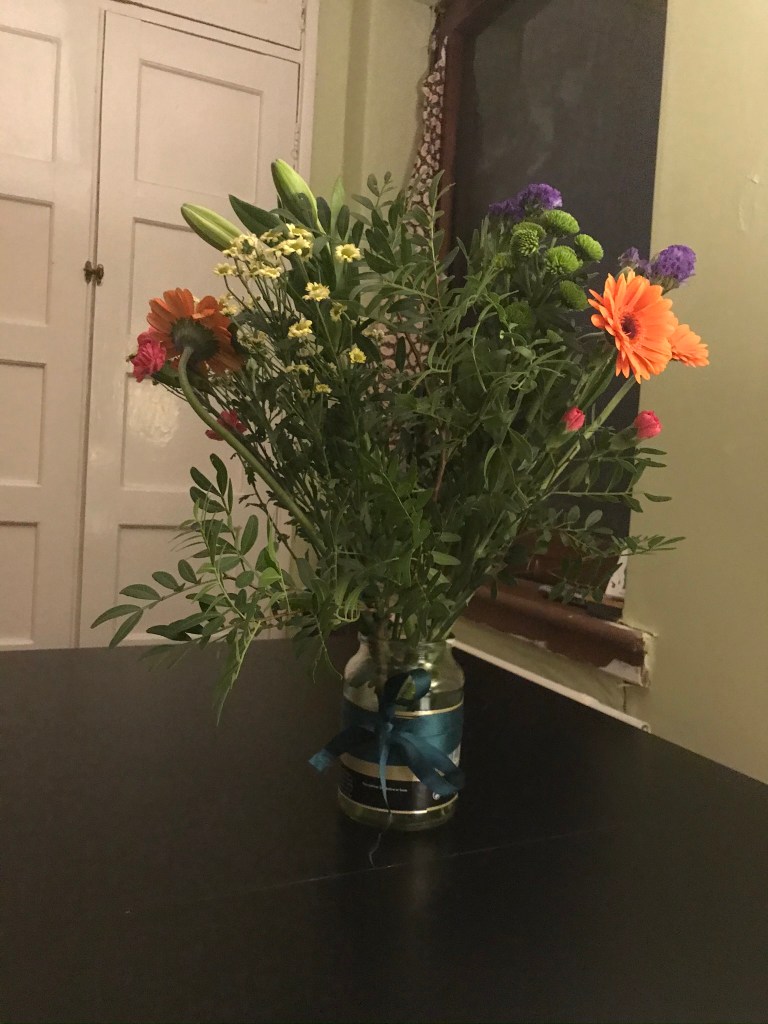
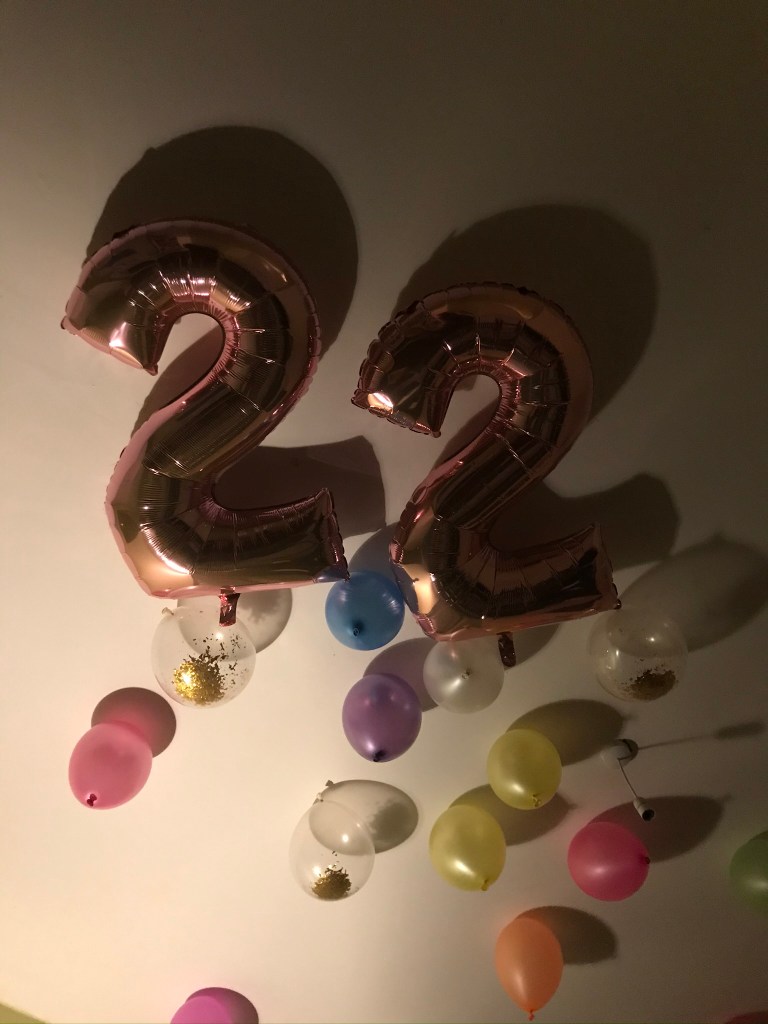
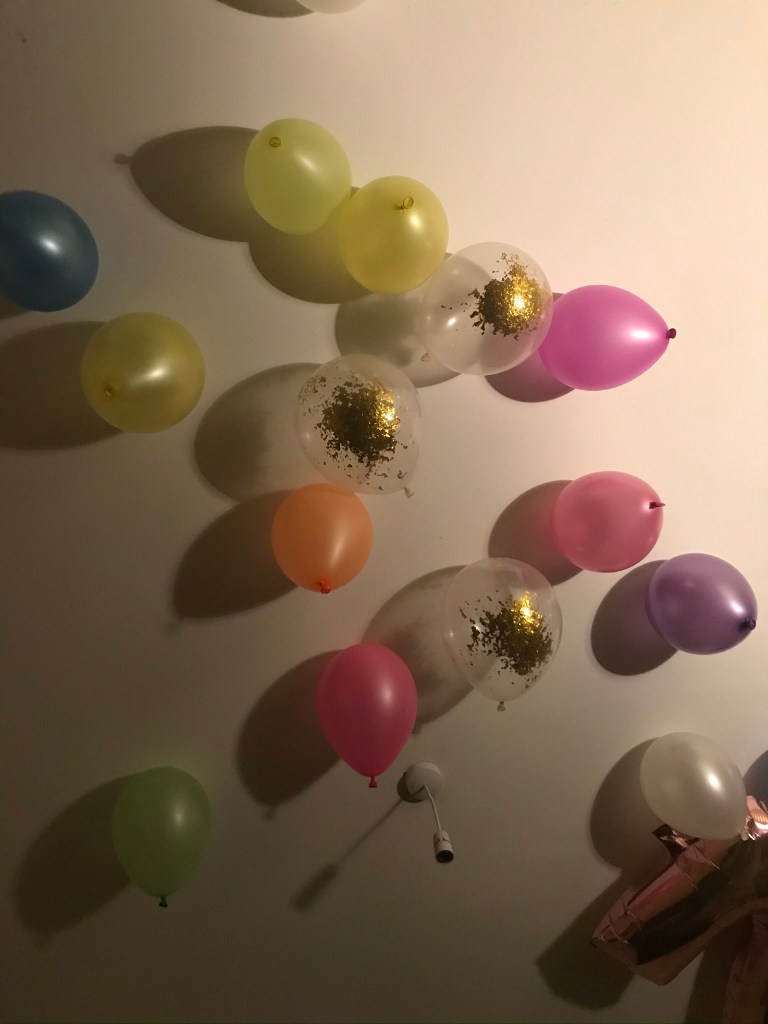
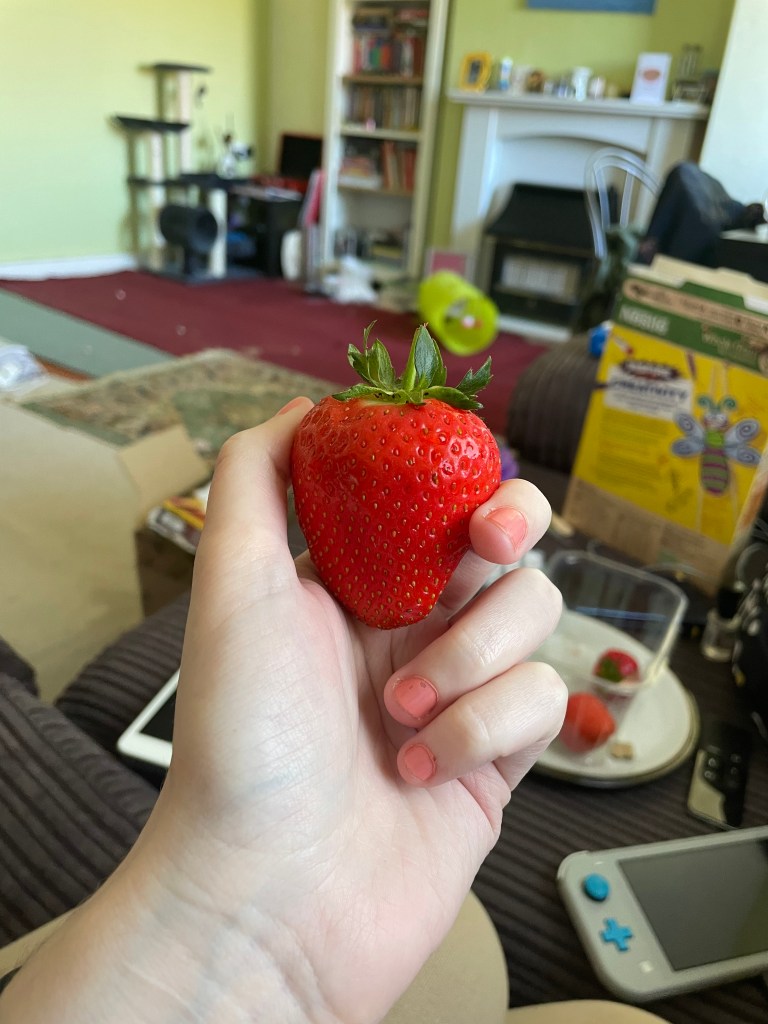
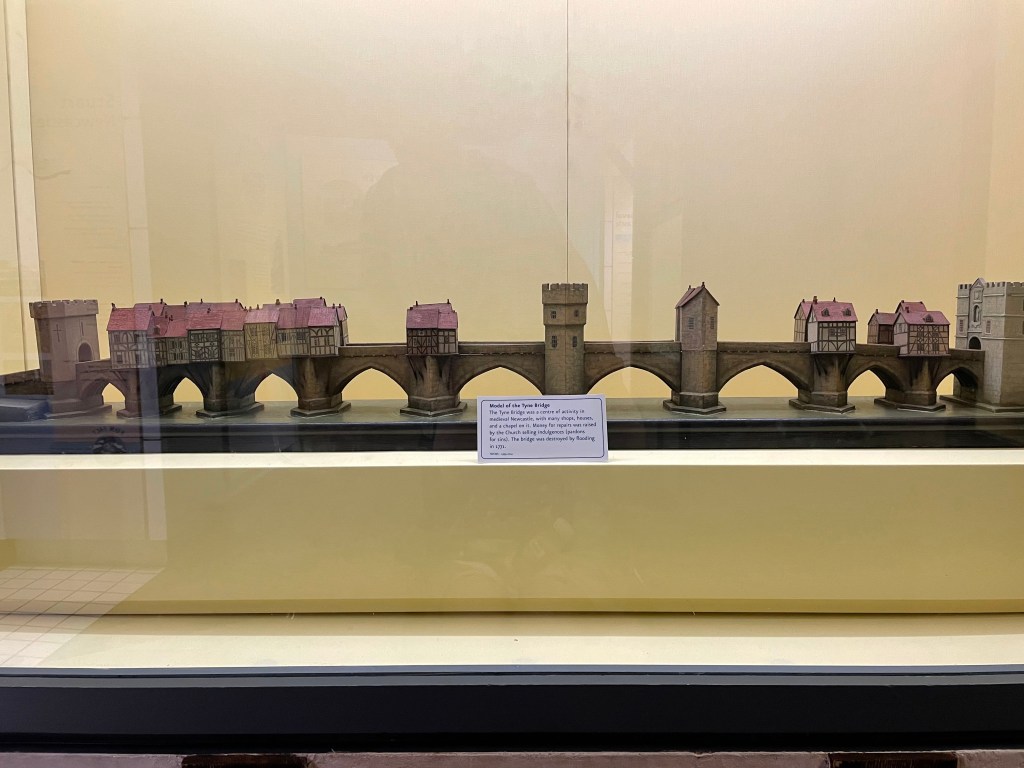
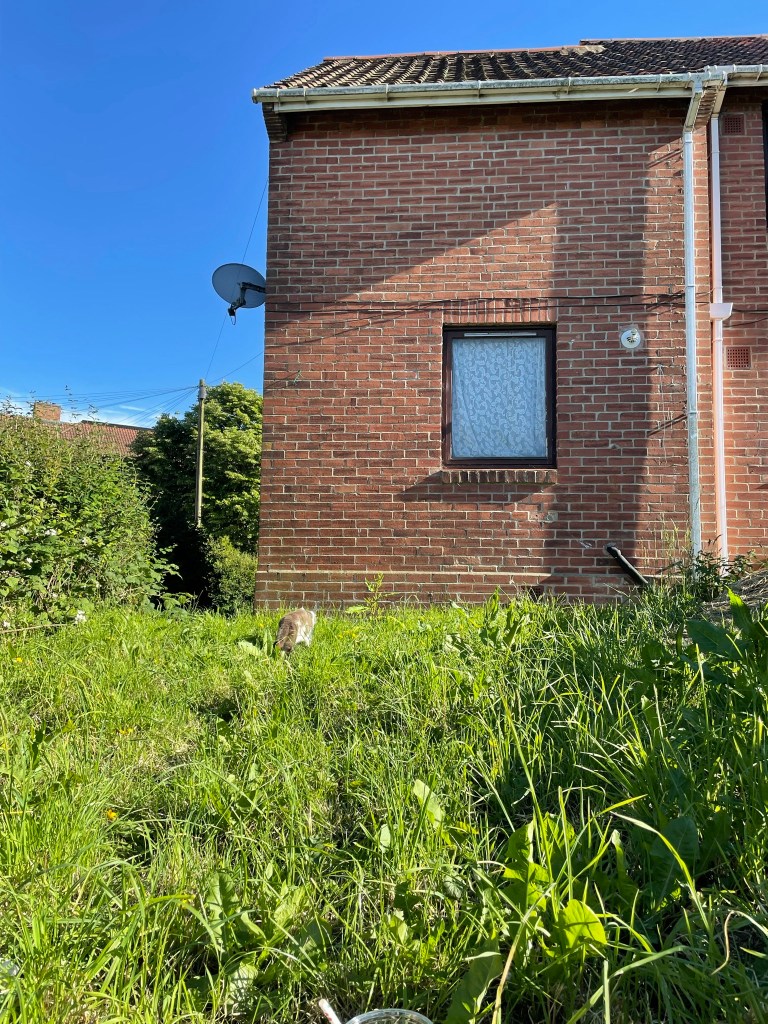
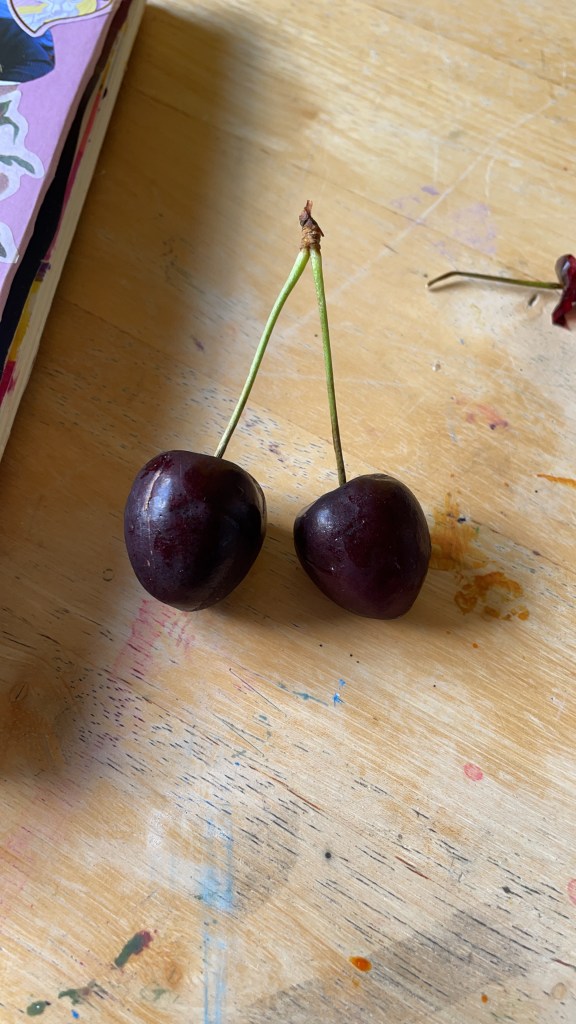
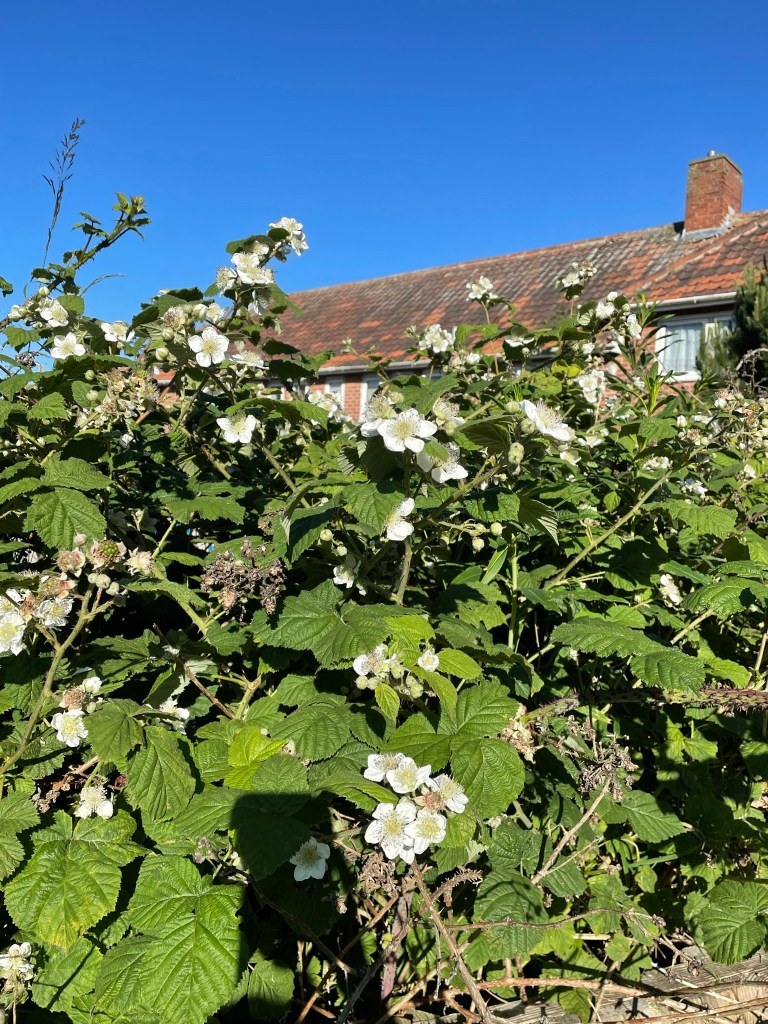
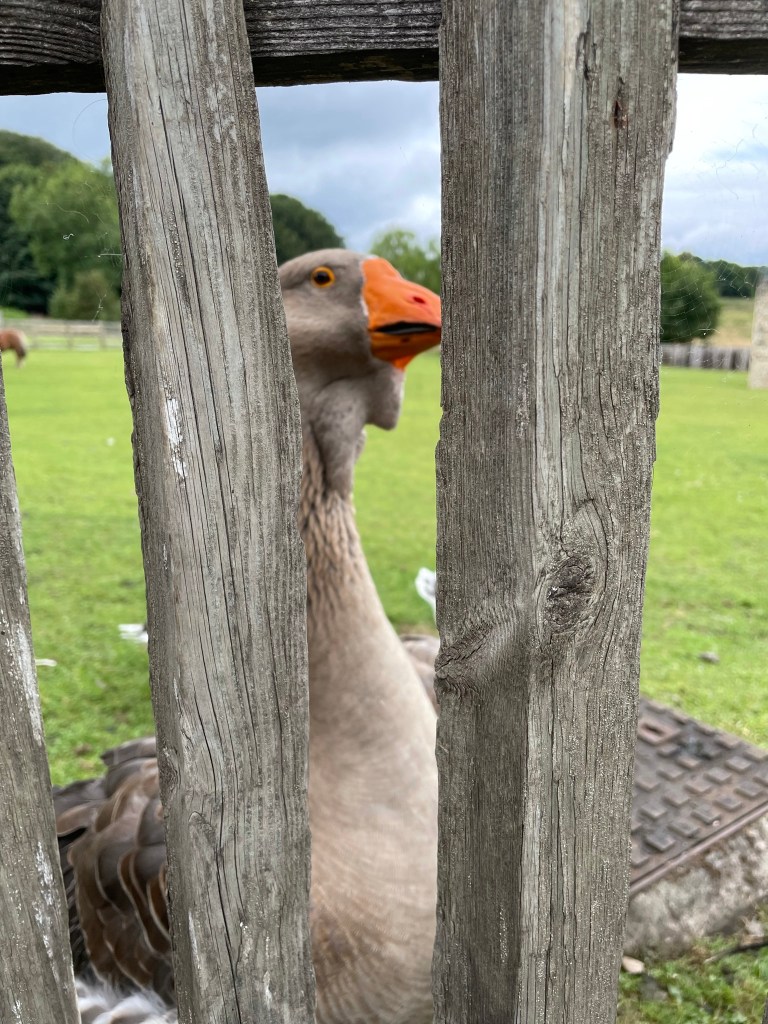
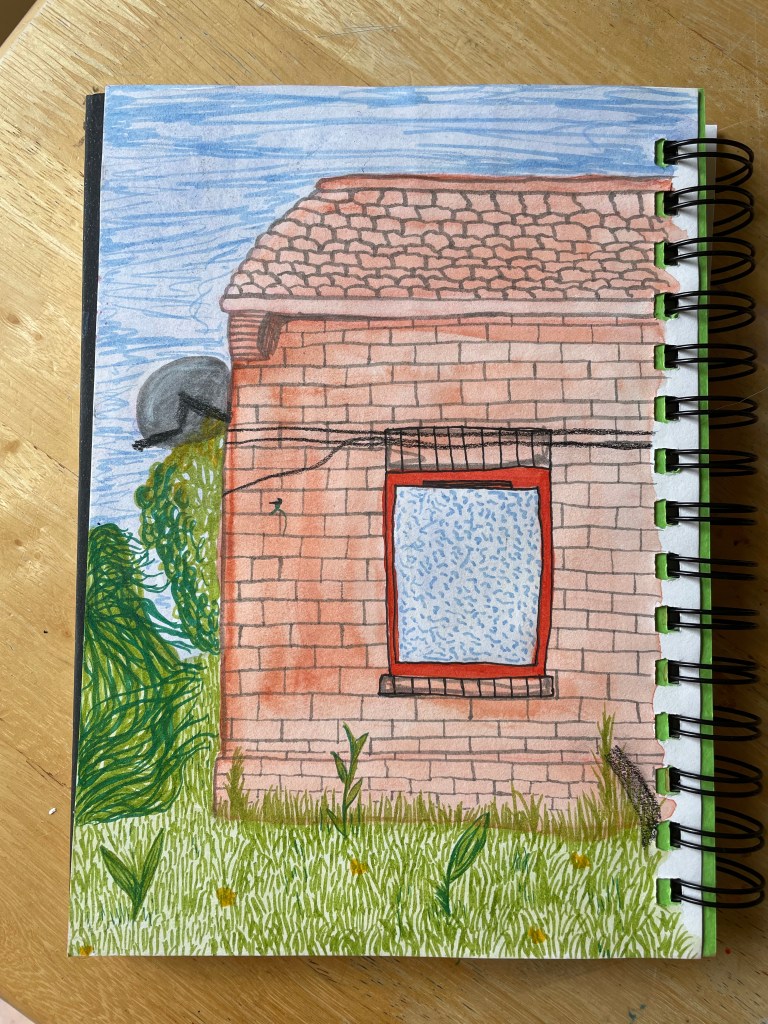
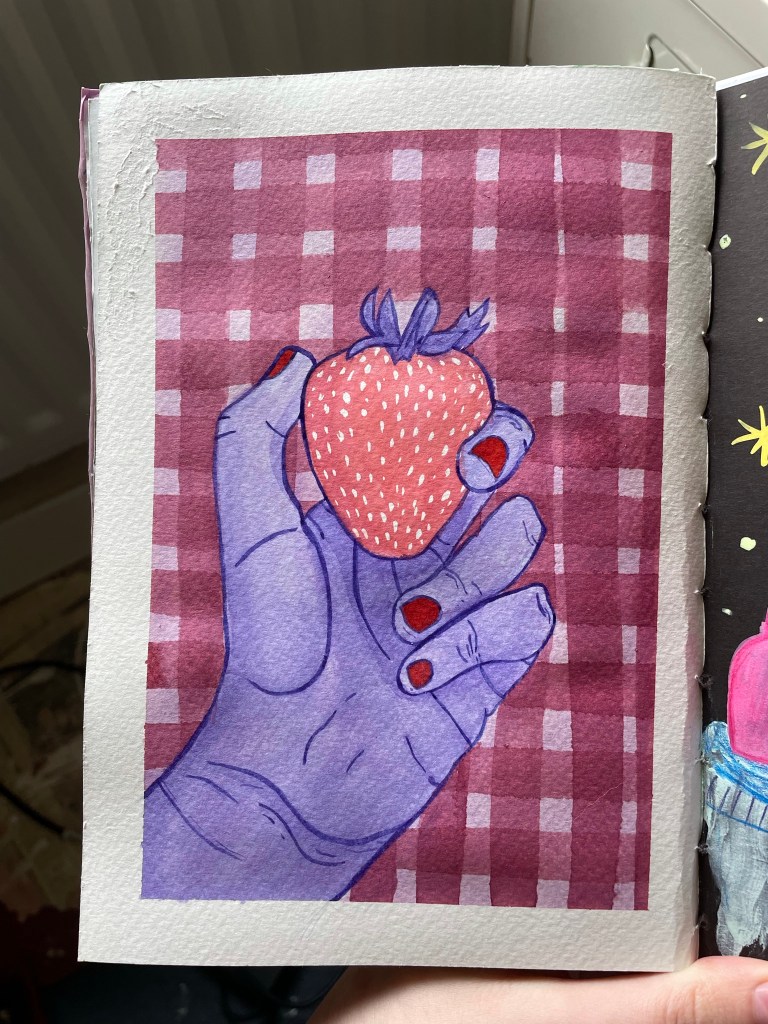
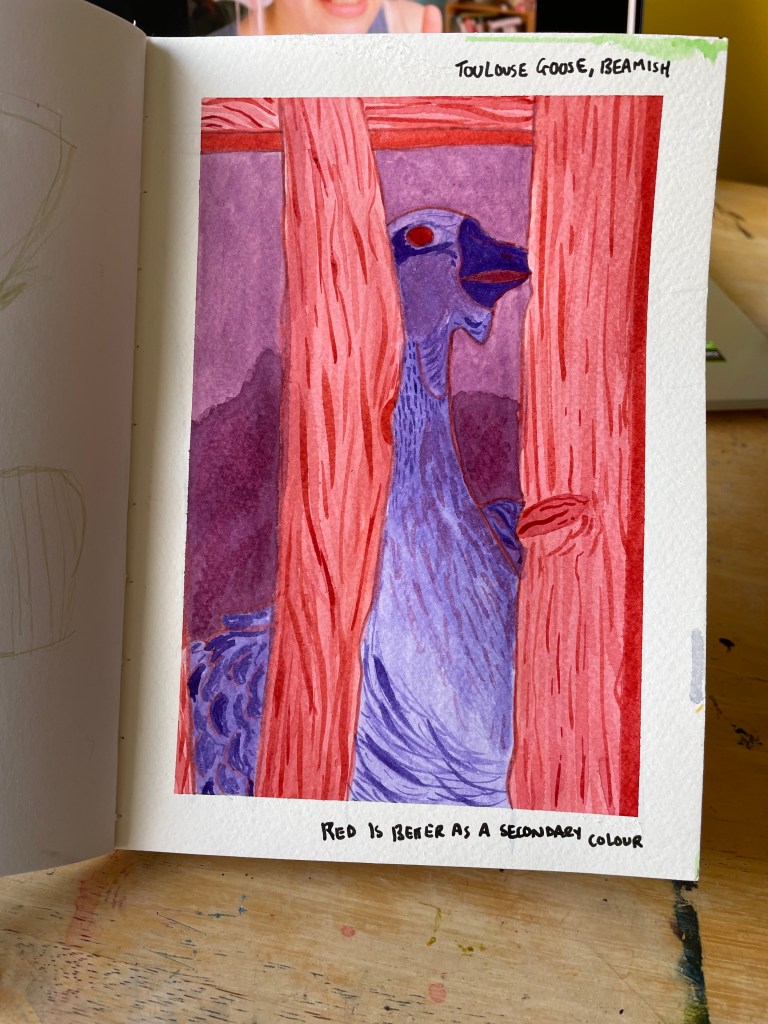
This way of capturing primary references is accessible and hugely useful to me and my creative practice. It allows me to take from my real everyday life and experiences without harming me or causing distress. The longevity of photography also benefits me – these photographs will last for as long as I keep them, and I can reference them over and over again if I wish. There are, of course, cons to this being my usual method of capturing the world around me, but there’s not much I can do to change this. This exercise feels difficult to navigate and, really, just highlights the inaccessible nature of certain artistic practices or beliefs.
Having already looked ahead in the unit, I am aware a later exercise requires me to reference the photographs from this one. For that purpose, I decided to take some screenshots from my route. It doesn’t quite provide me with the same experience, but it will be helpful later on.
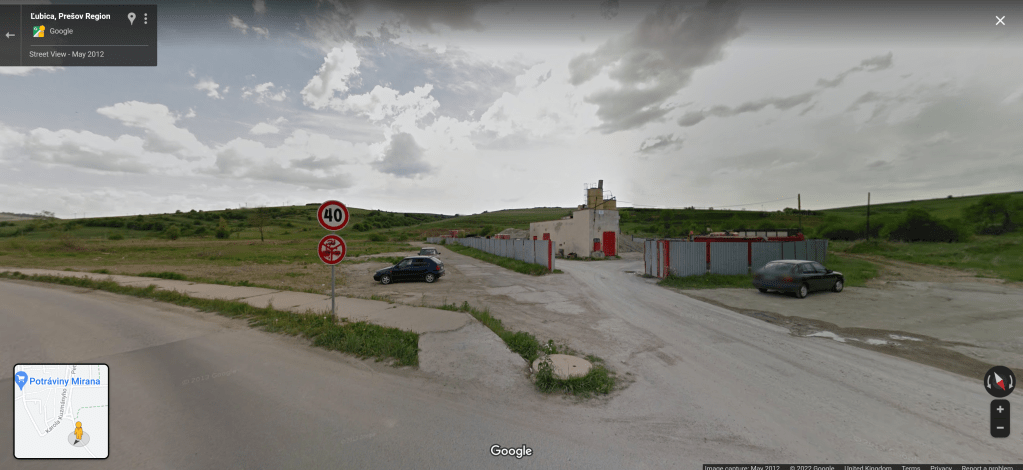
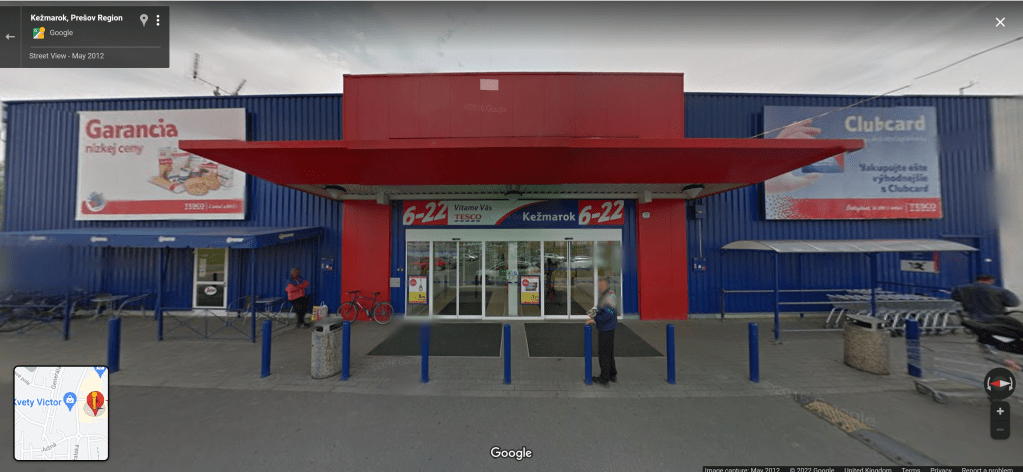
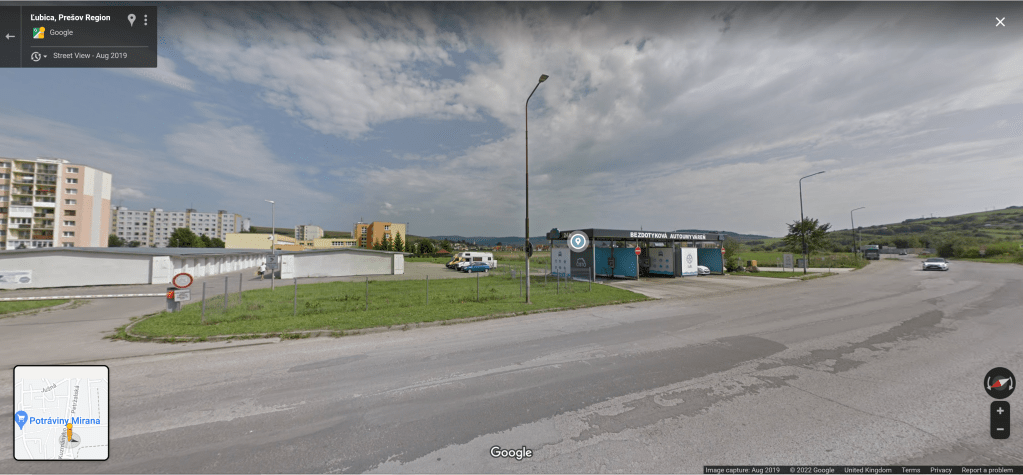
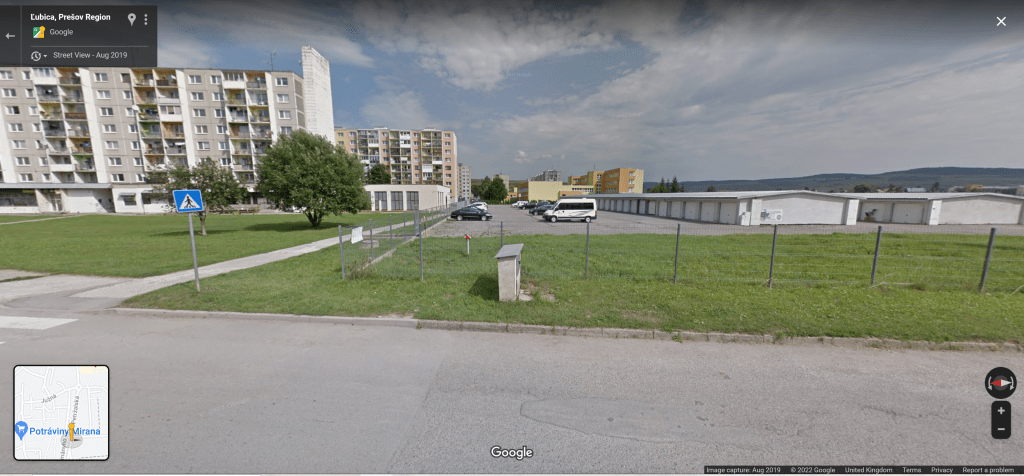
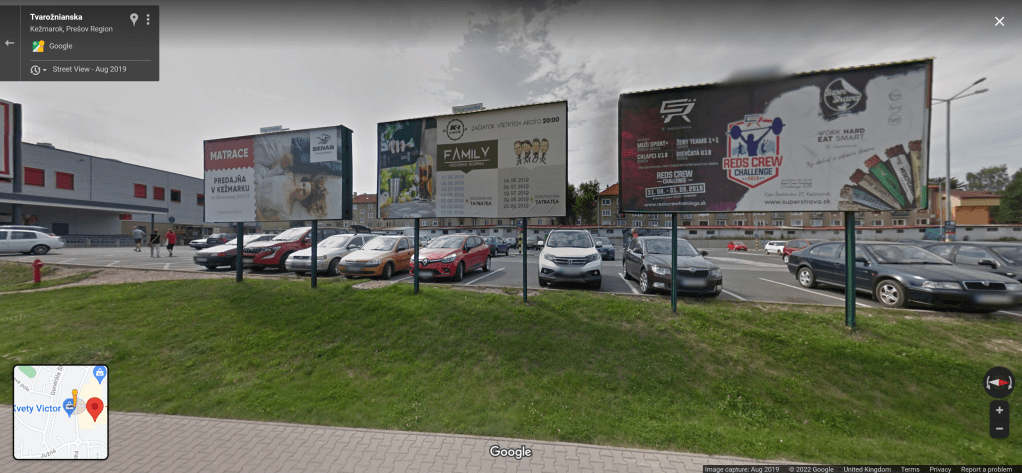
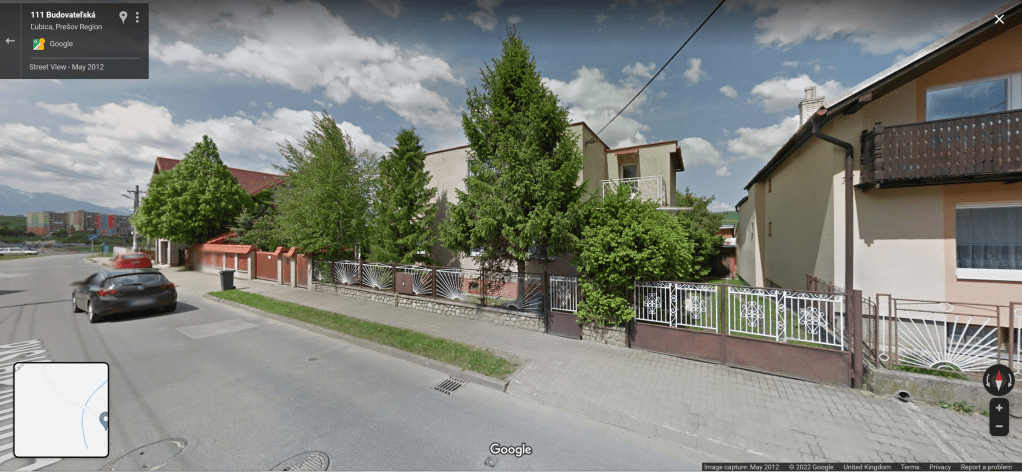
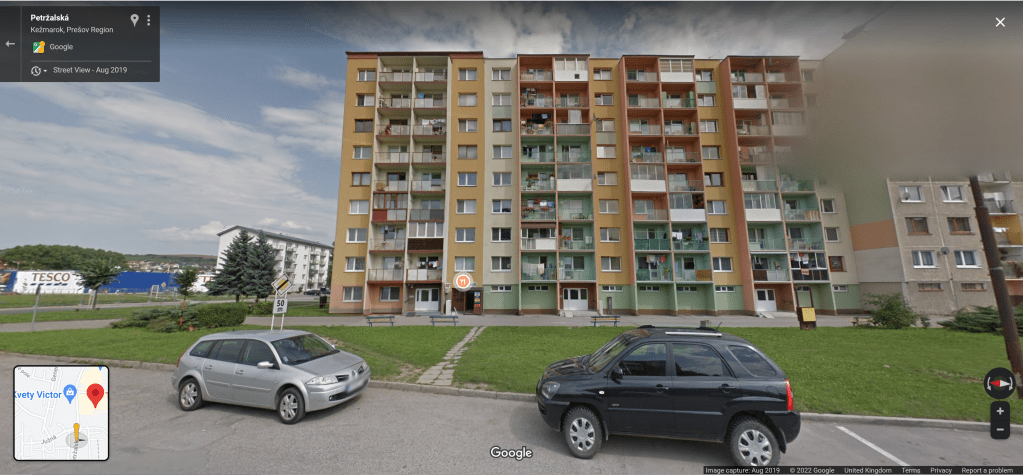
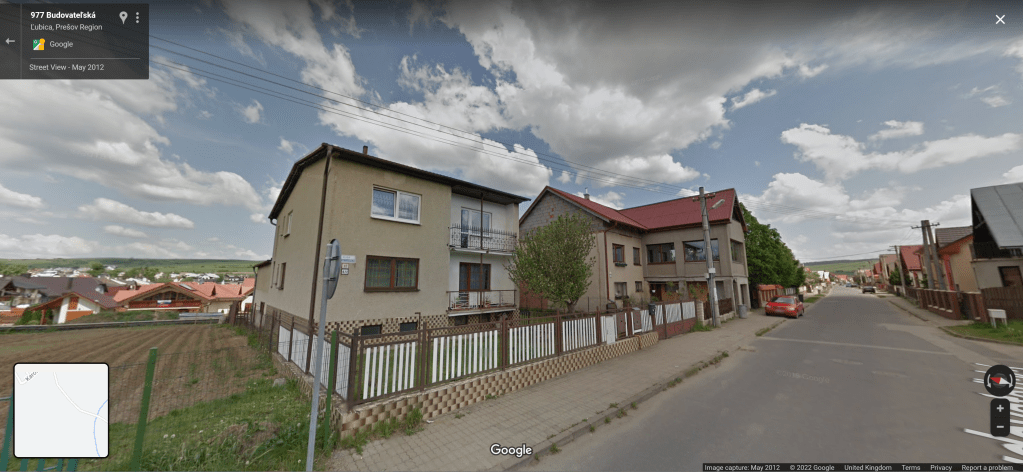
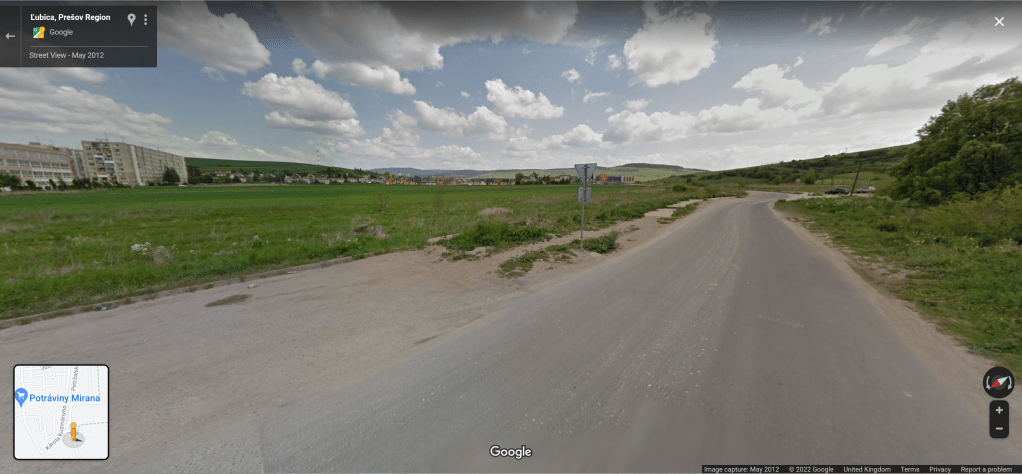
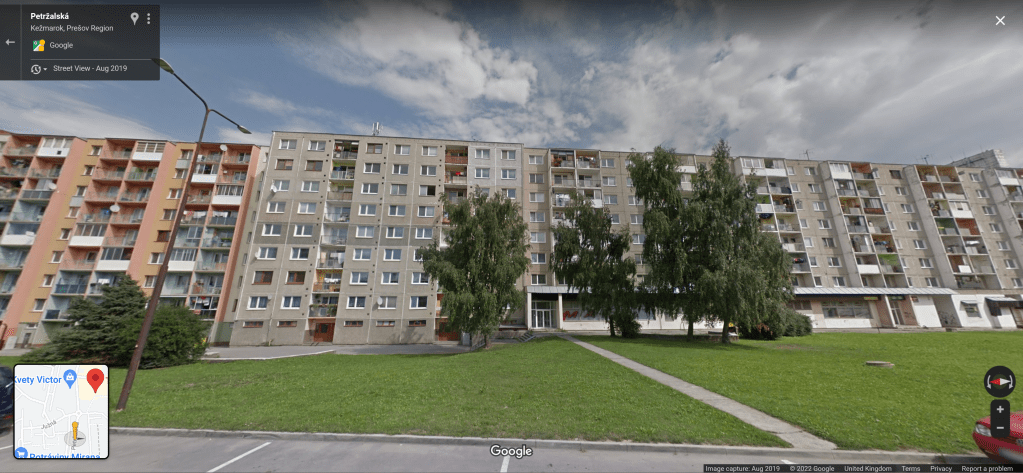
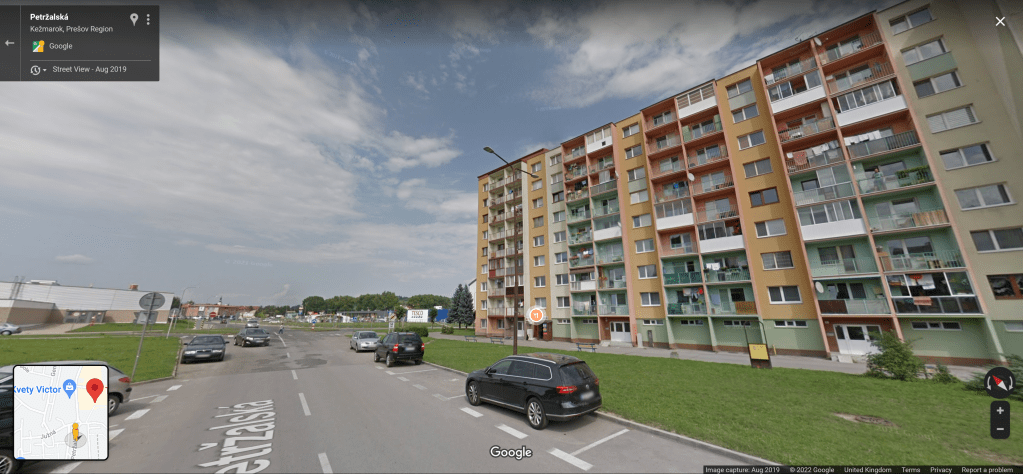
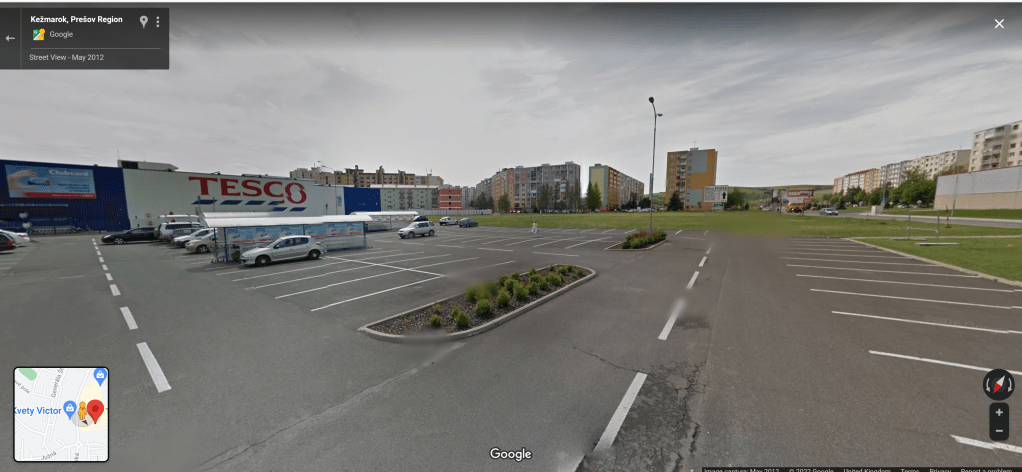
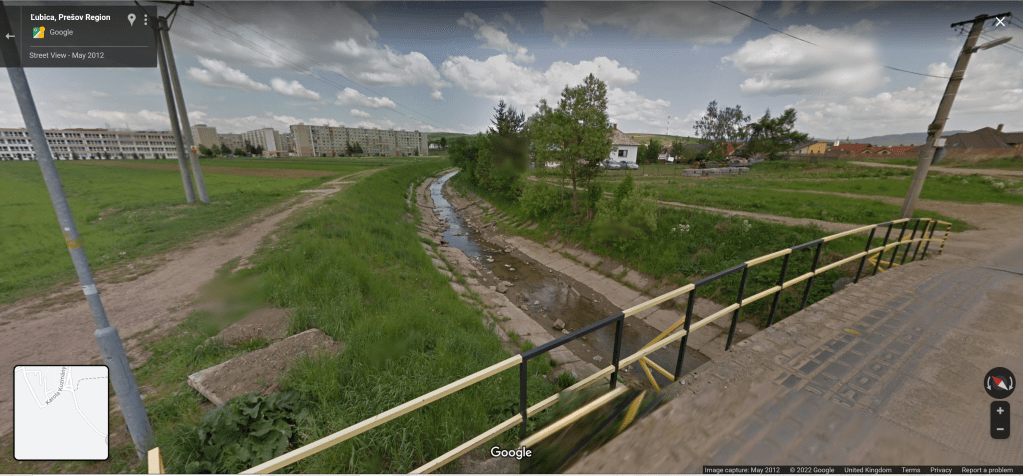
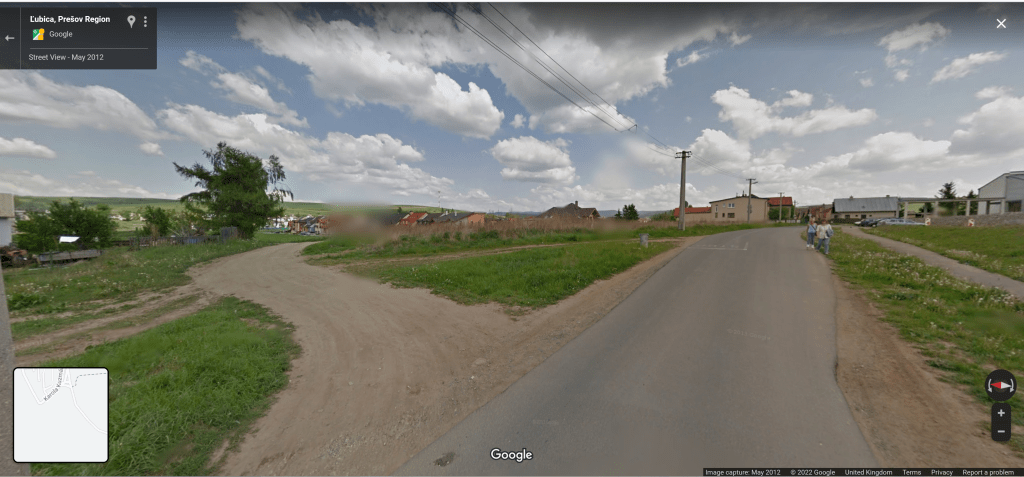
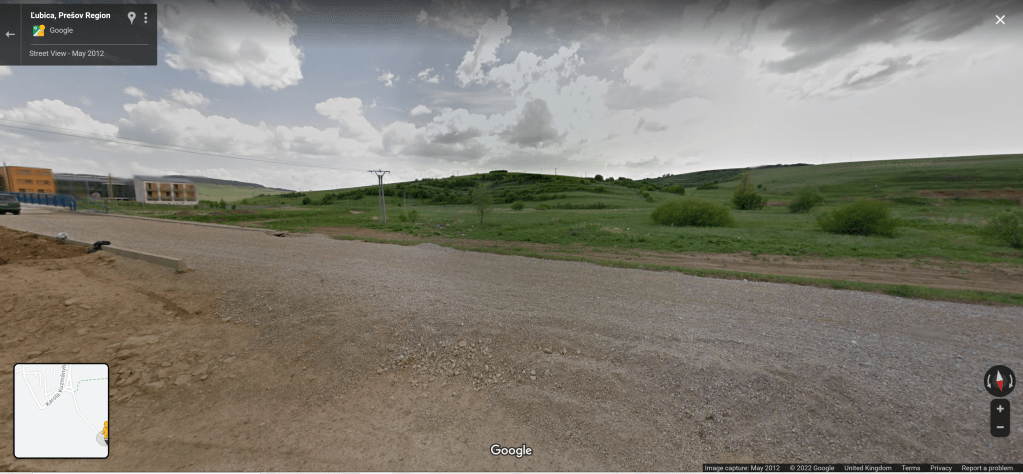
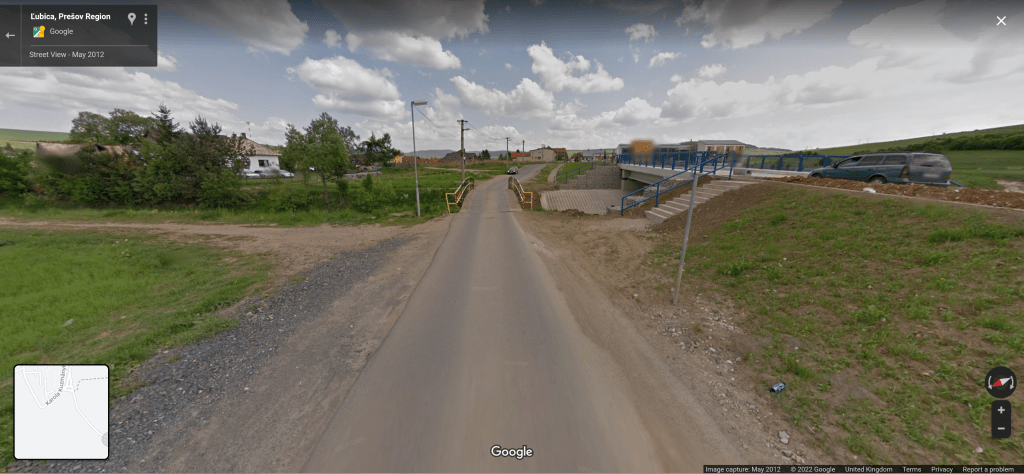
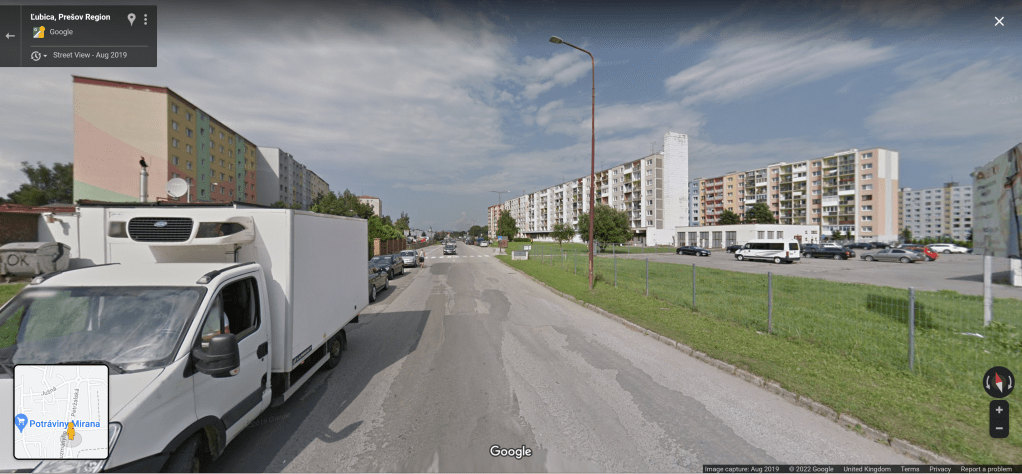
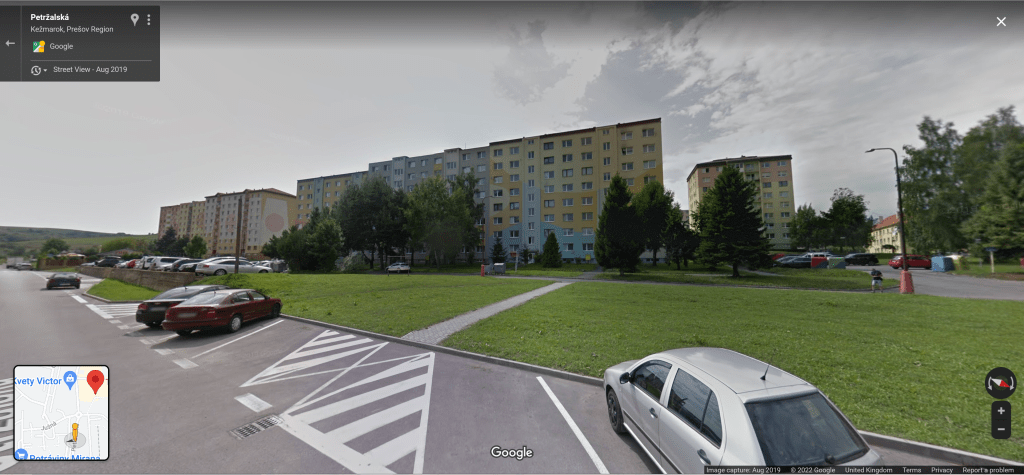
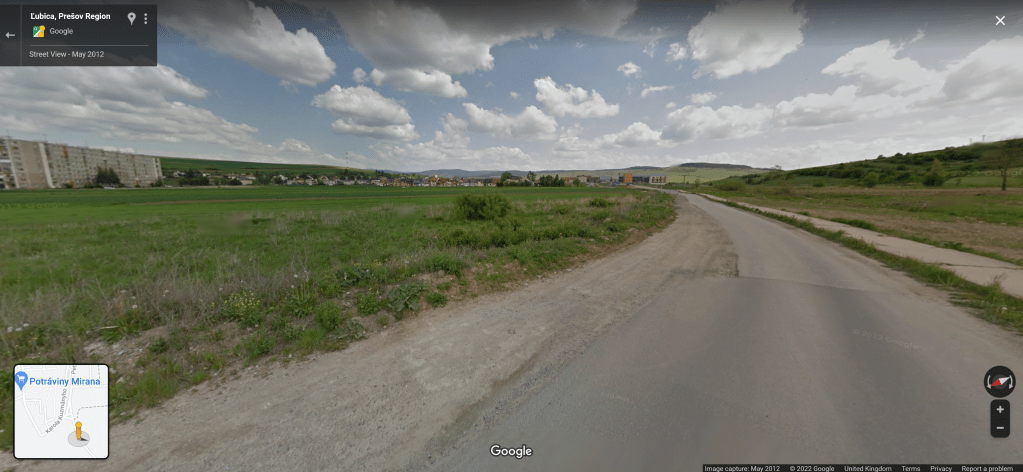
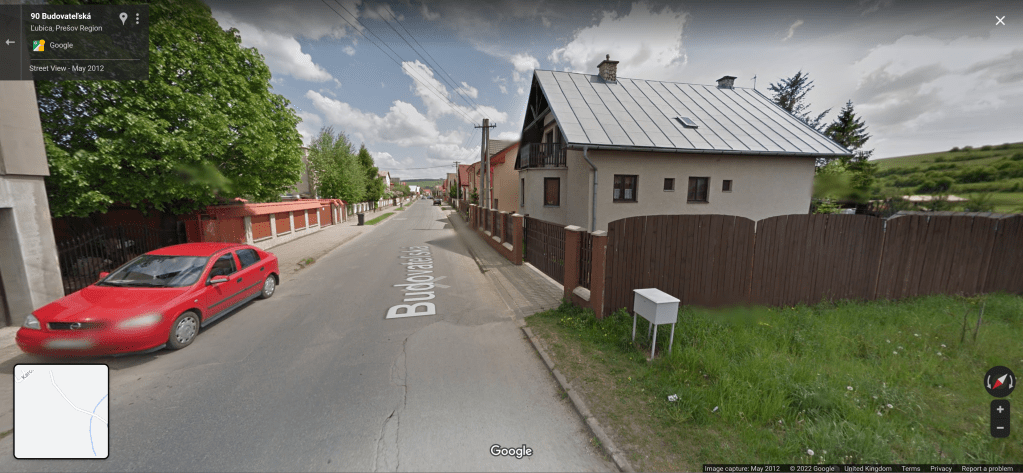
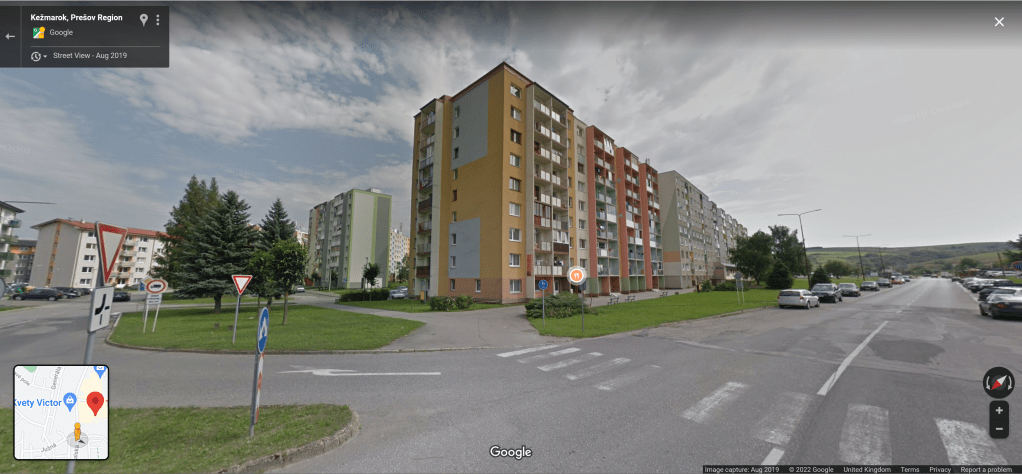
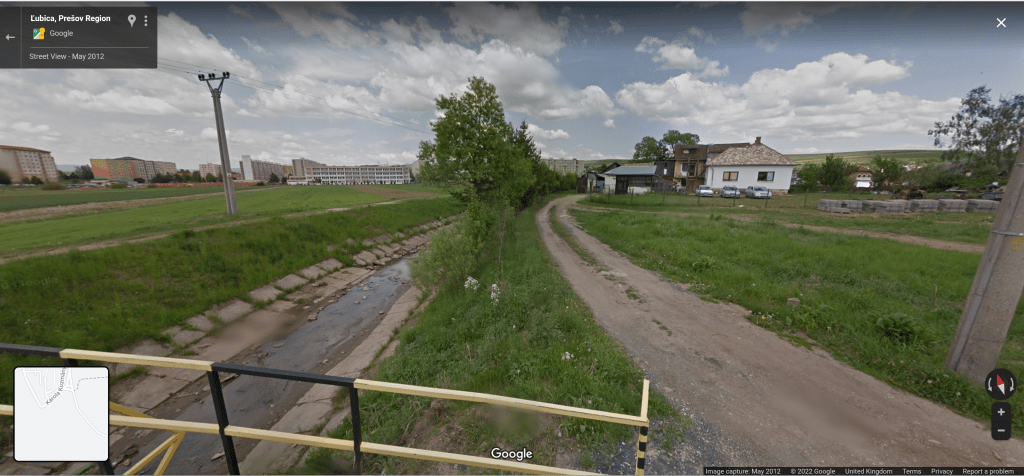
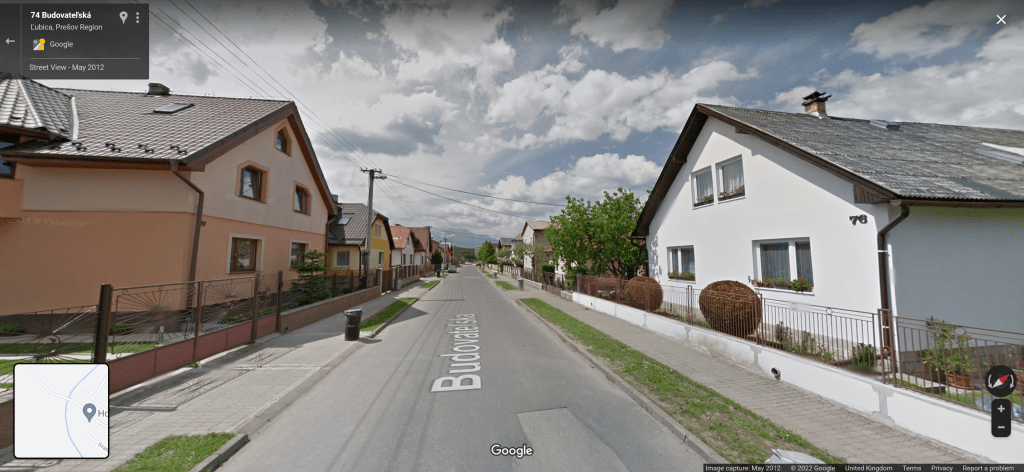
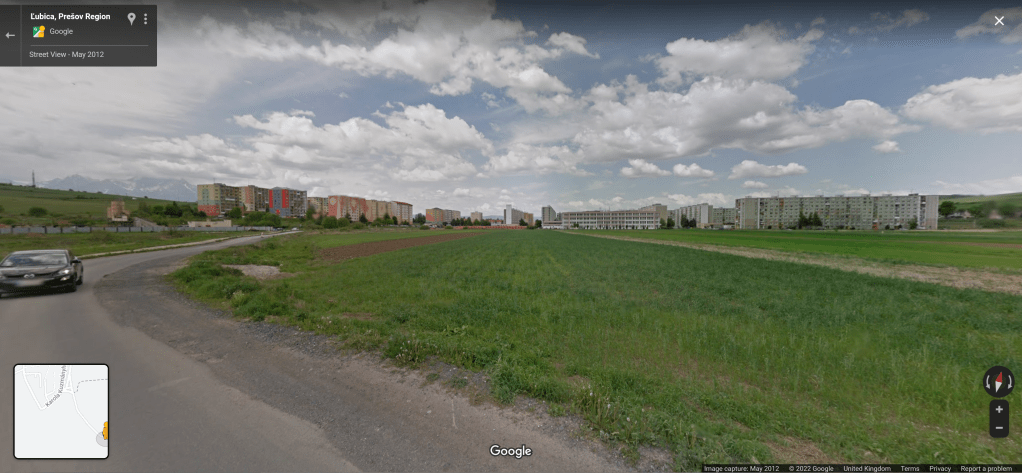
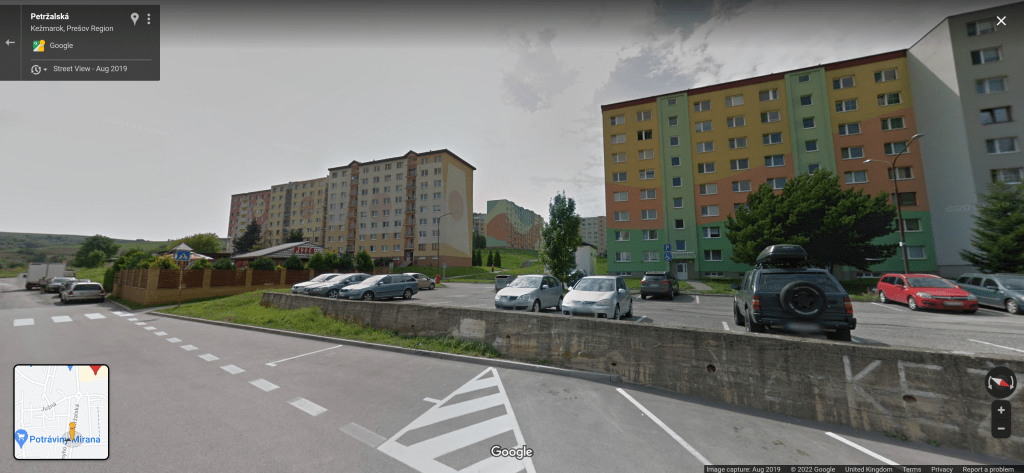
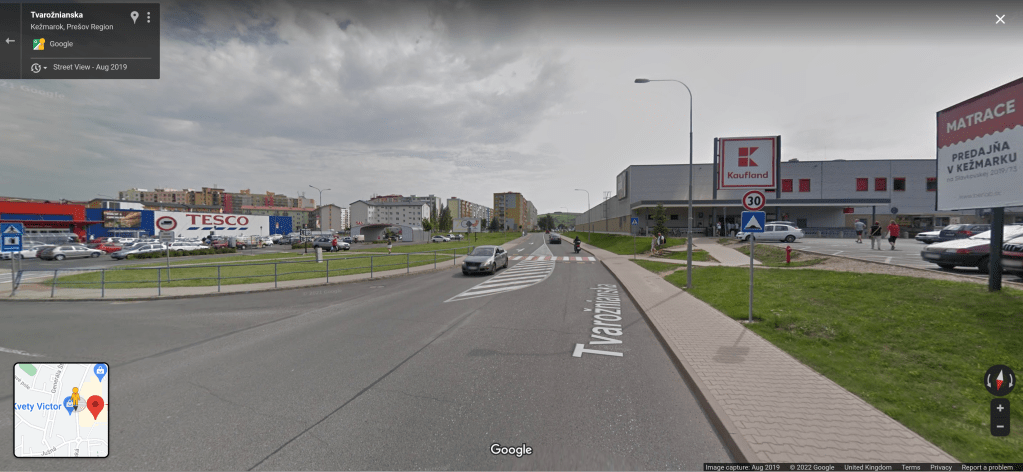
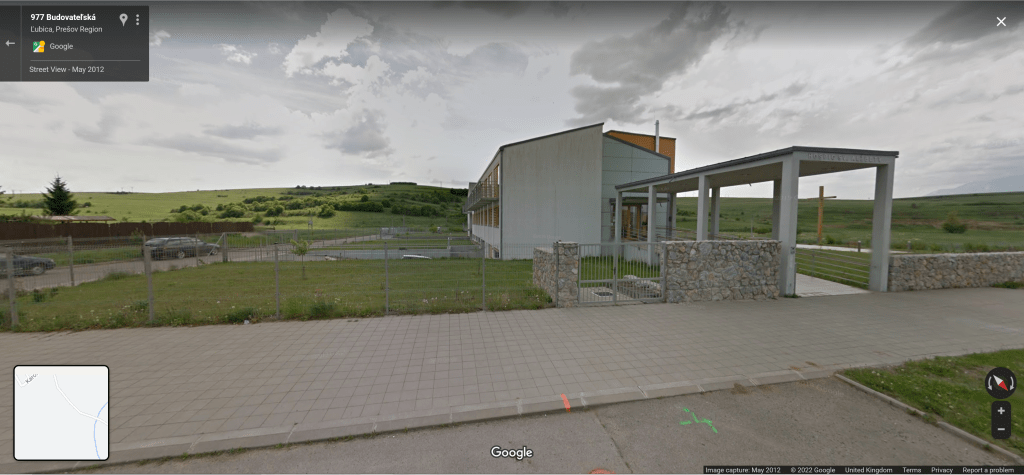
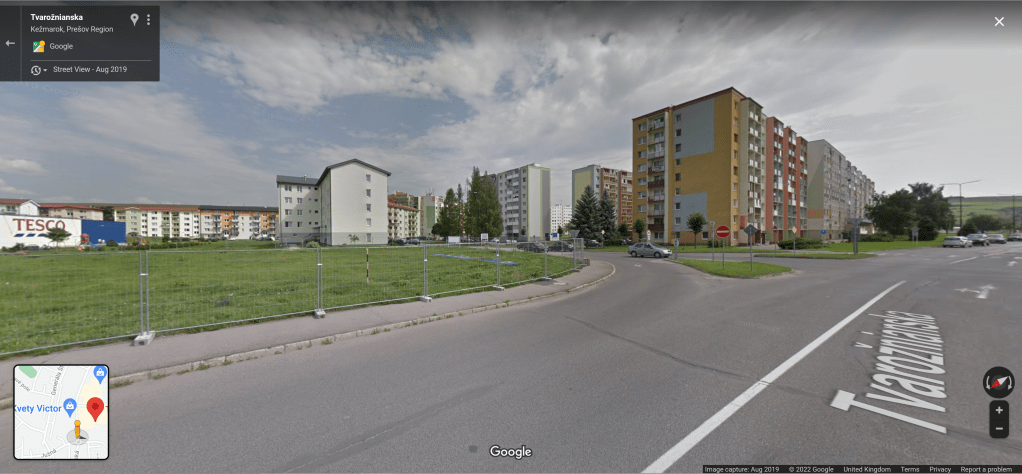
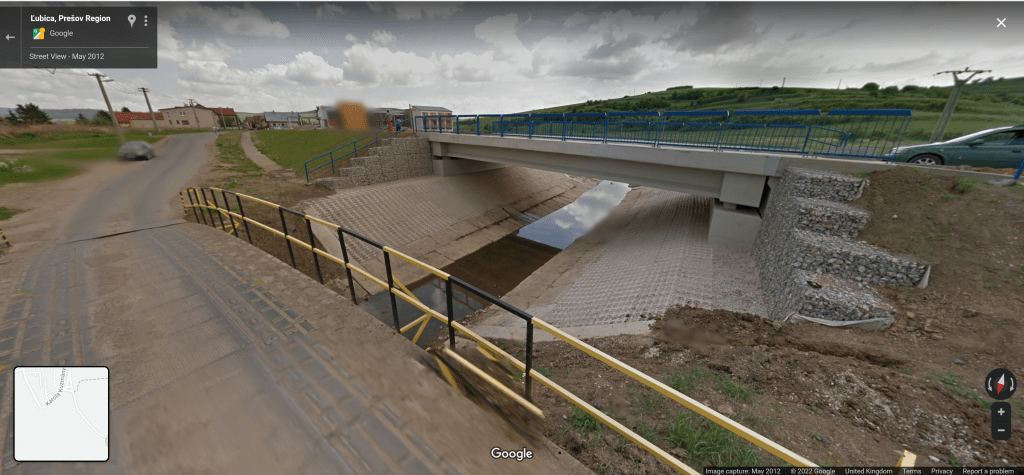
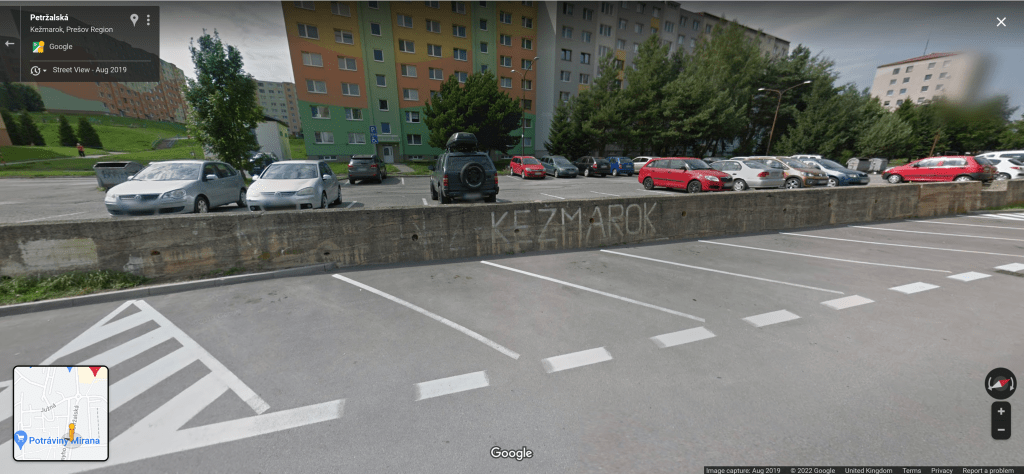
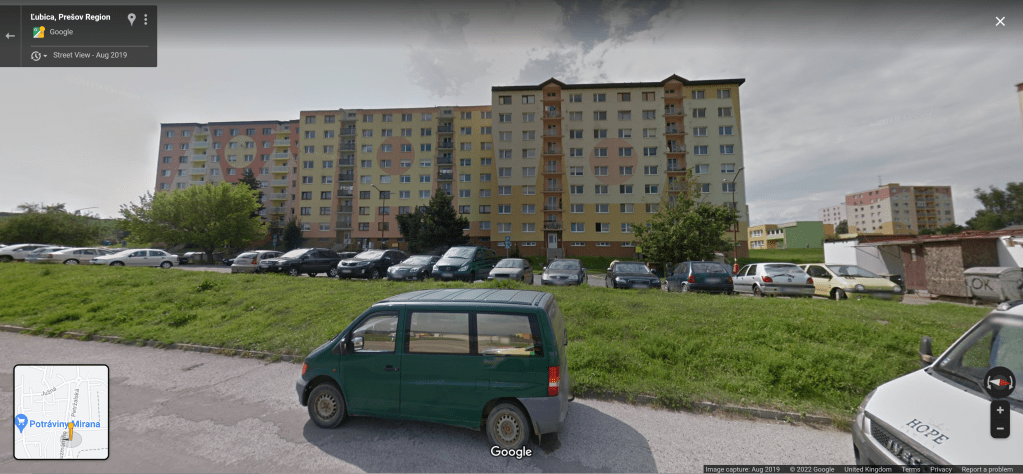
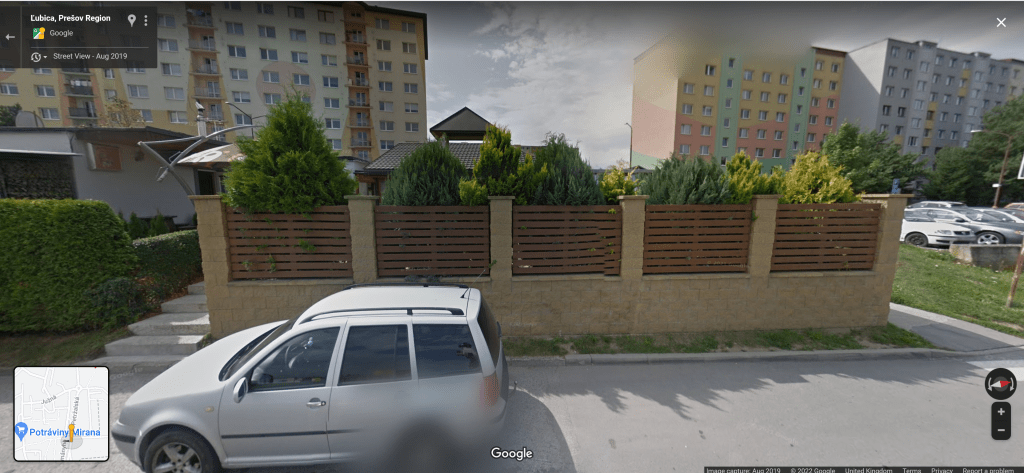
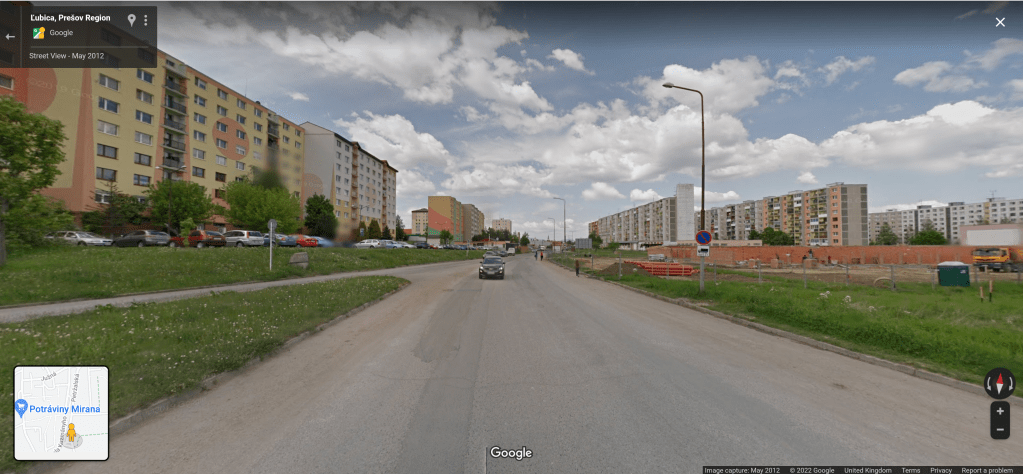
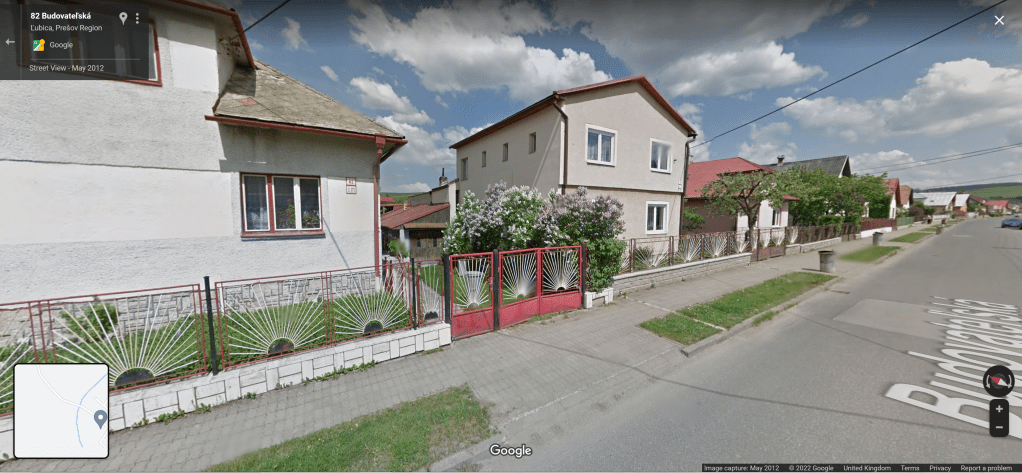
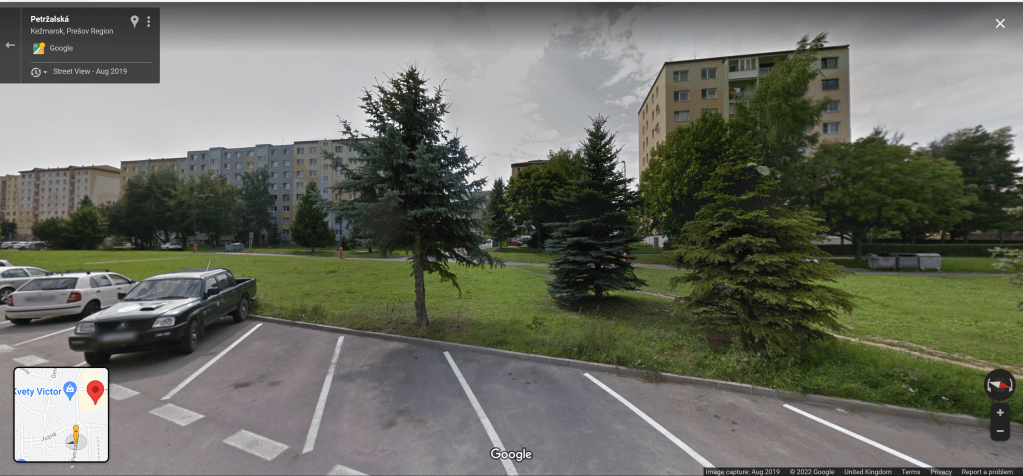
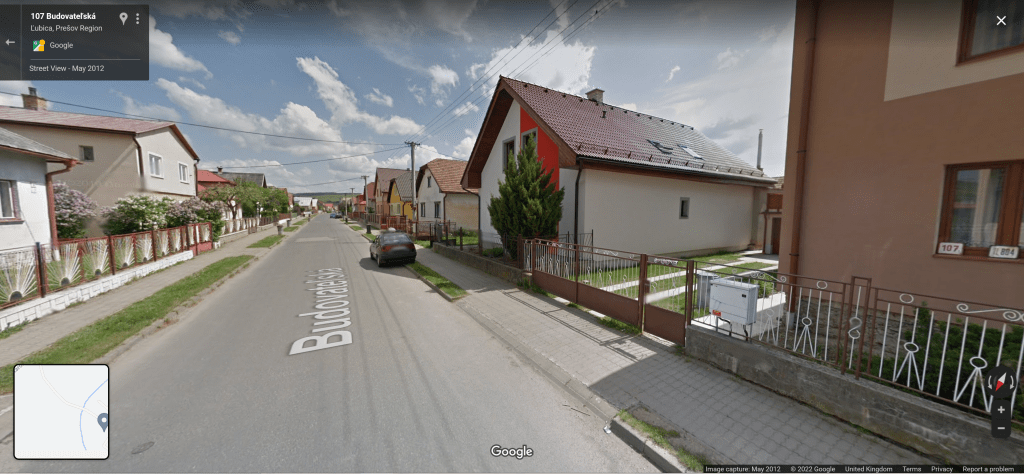
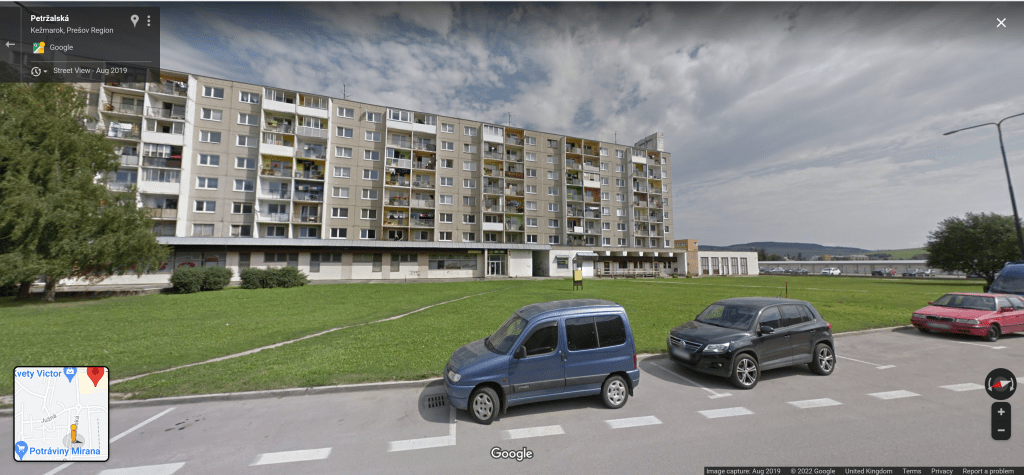
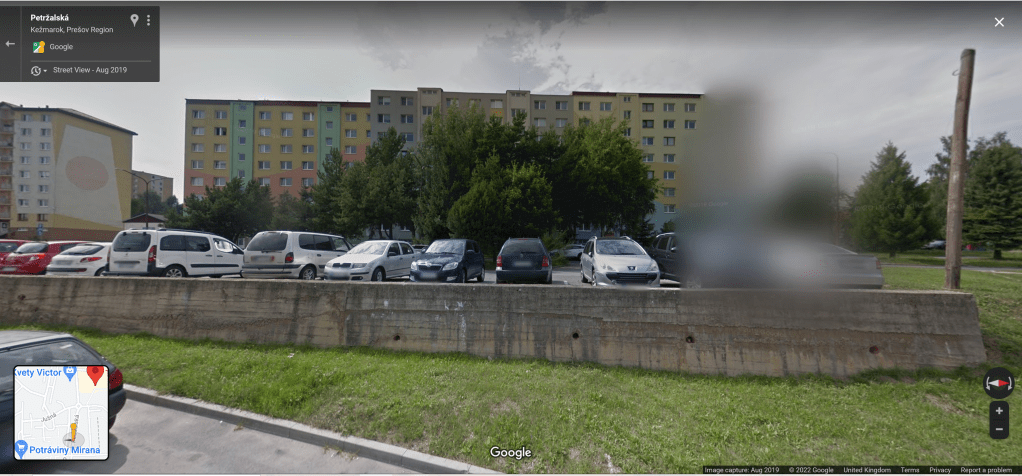
This process was really interesting. To my surprise, it felt much more relaxing than sketching. I felt freer – able to snap as many photos as I pleased. I noticed that I was thinking more about what looked visually interesting rather than whether I wanted to (or felt I could) sketch something. It got me thinking about how I documented much of this route photographically when I was there in person and wondering how my sketches and screenshots compare to those photos. I decided to dig them out and include them in this project. They are still primary visual research from this route, after all!
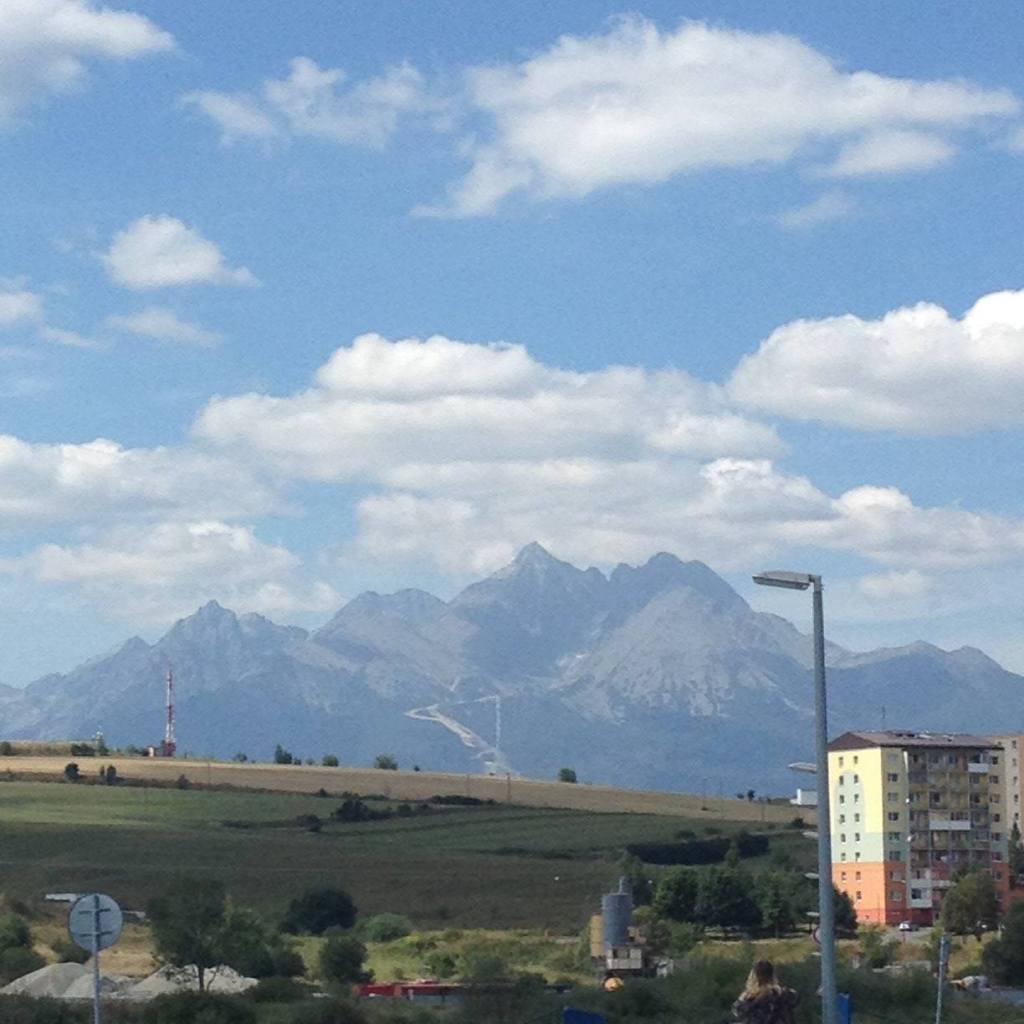
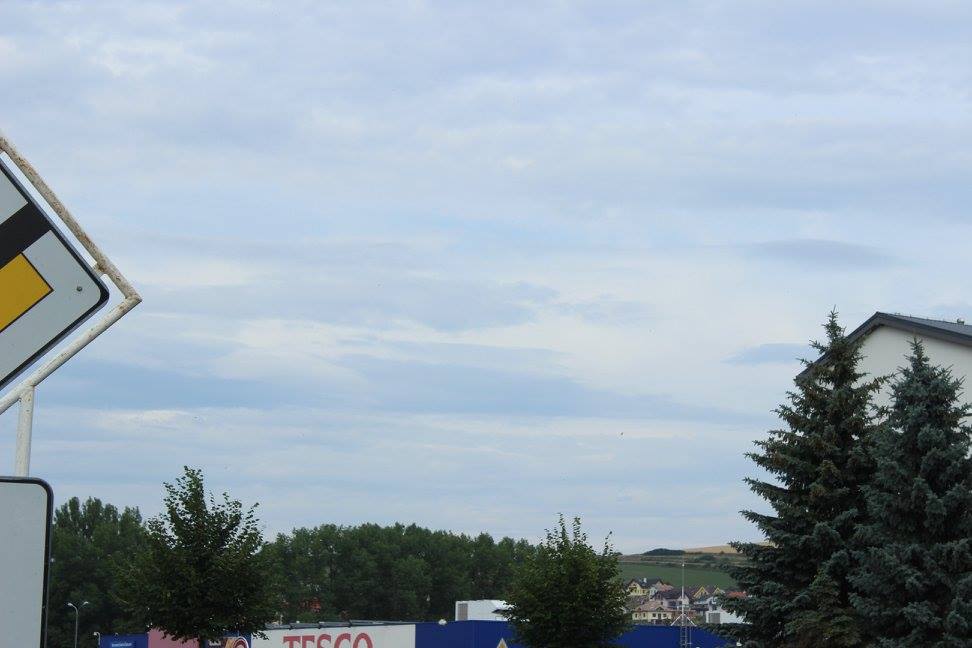
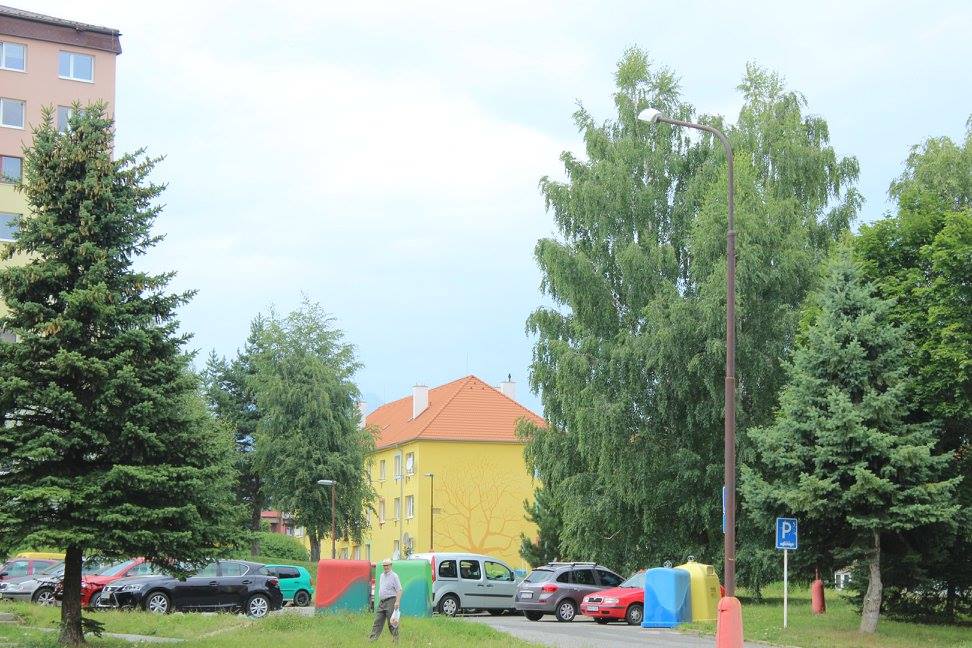
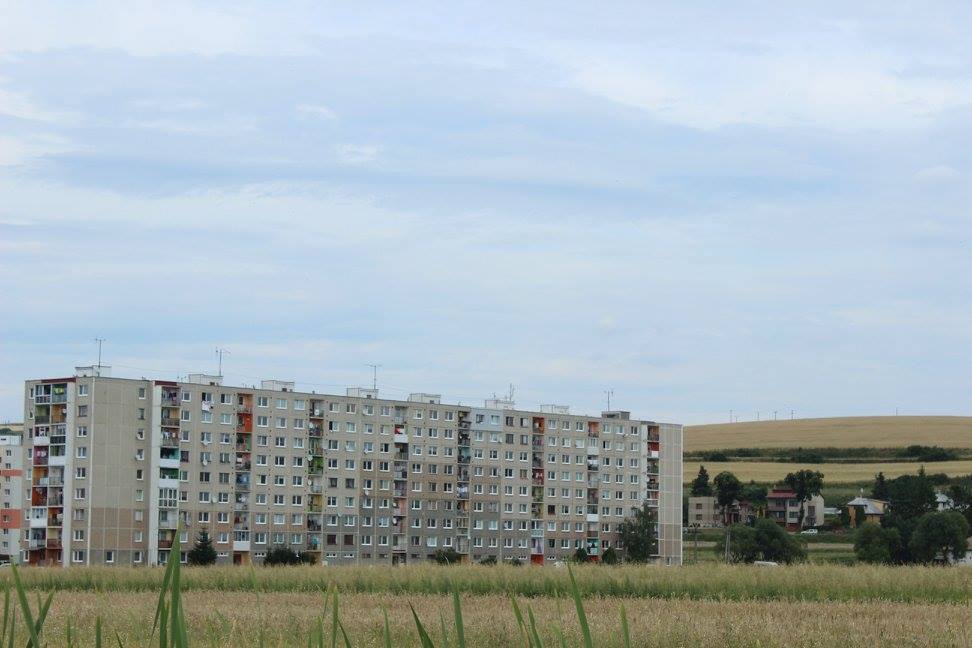
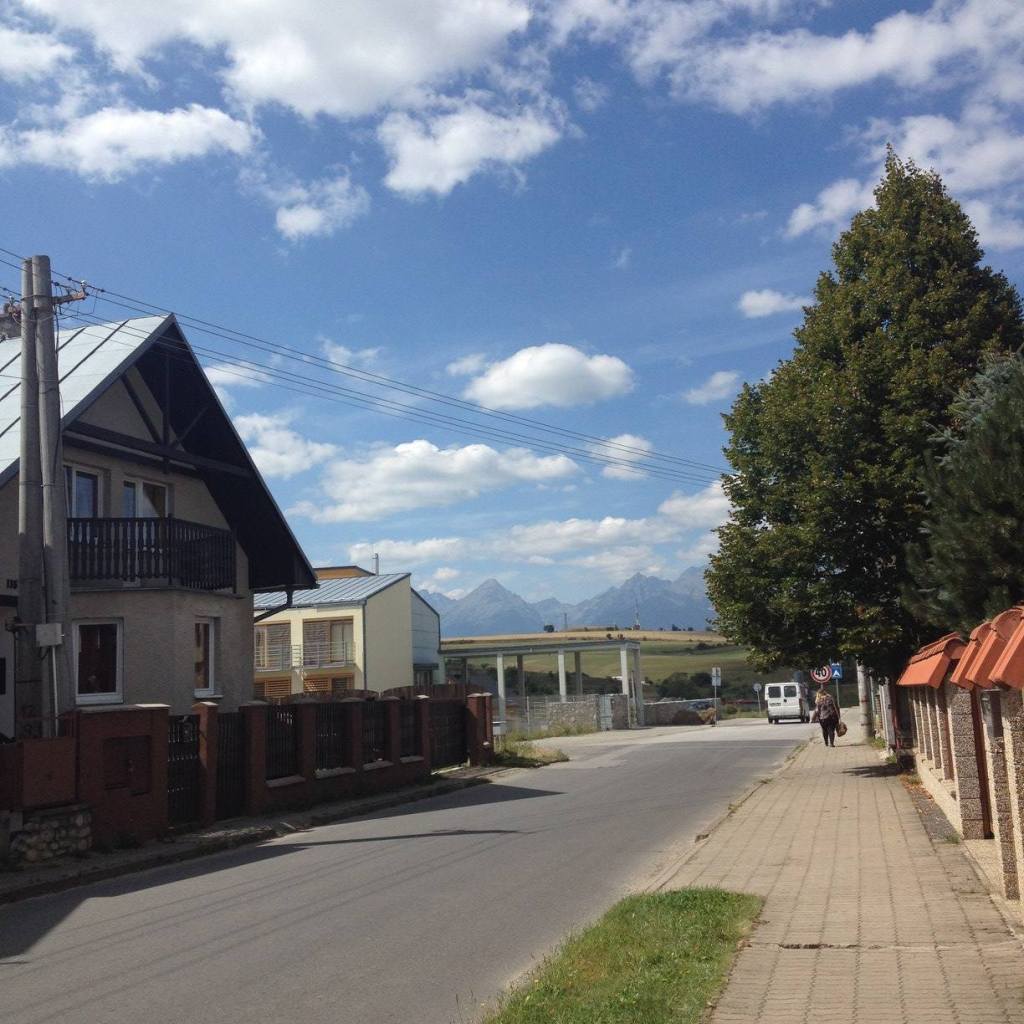
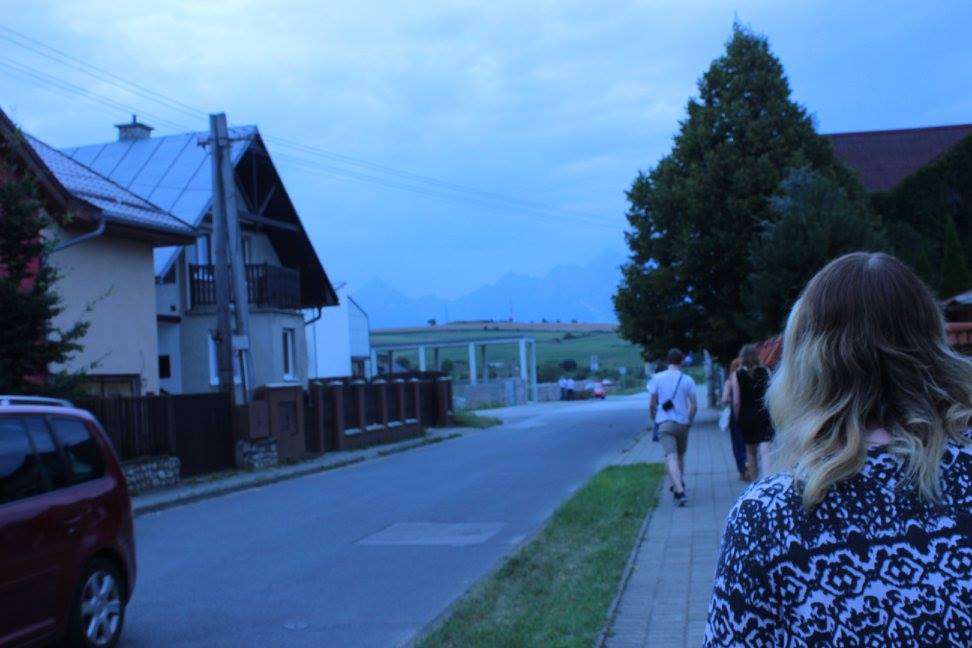
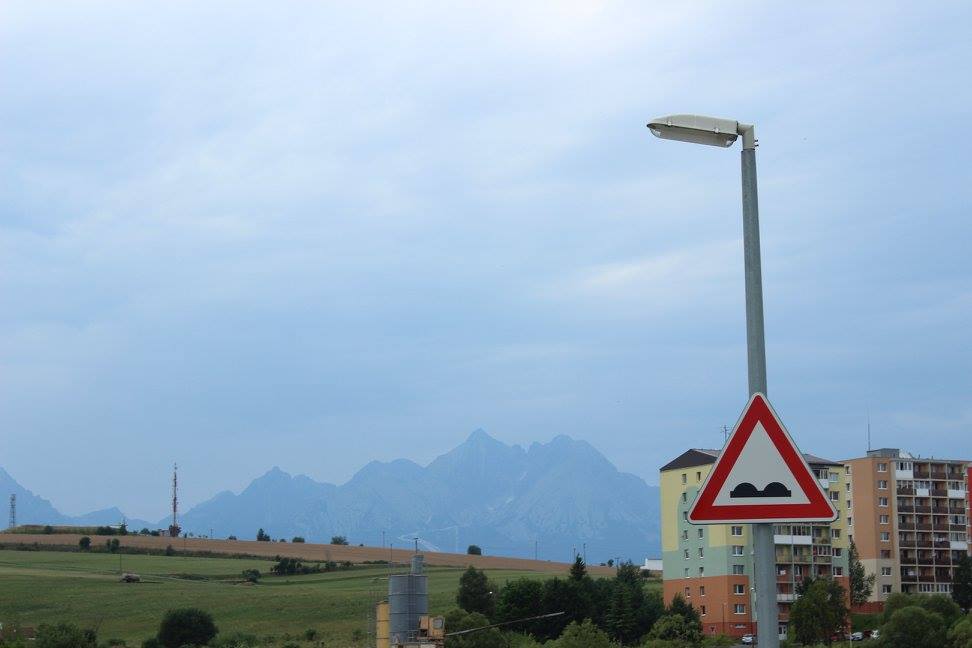
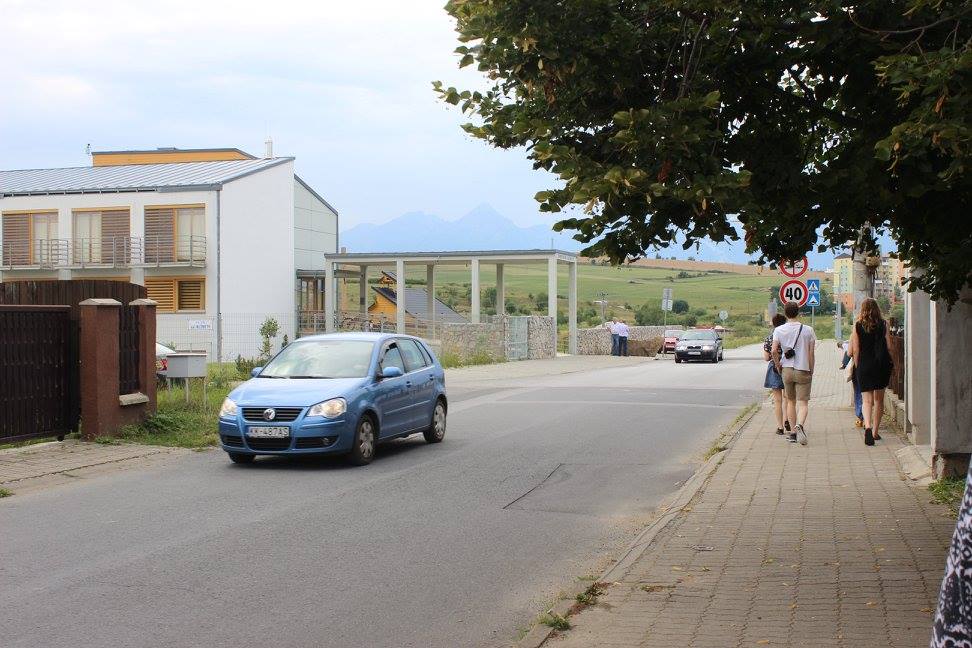
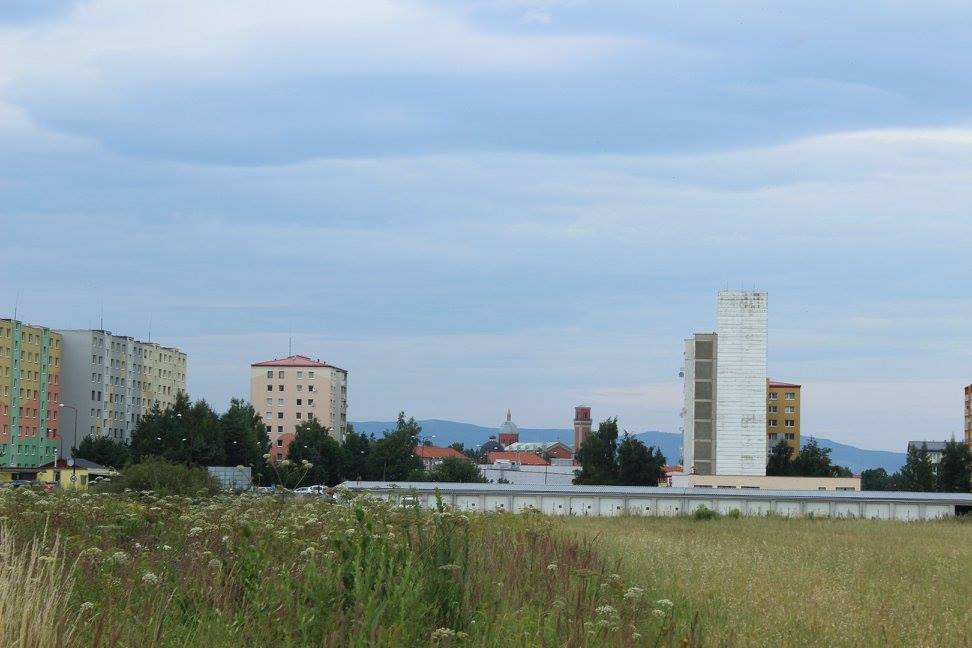
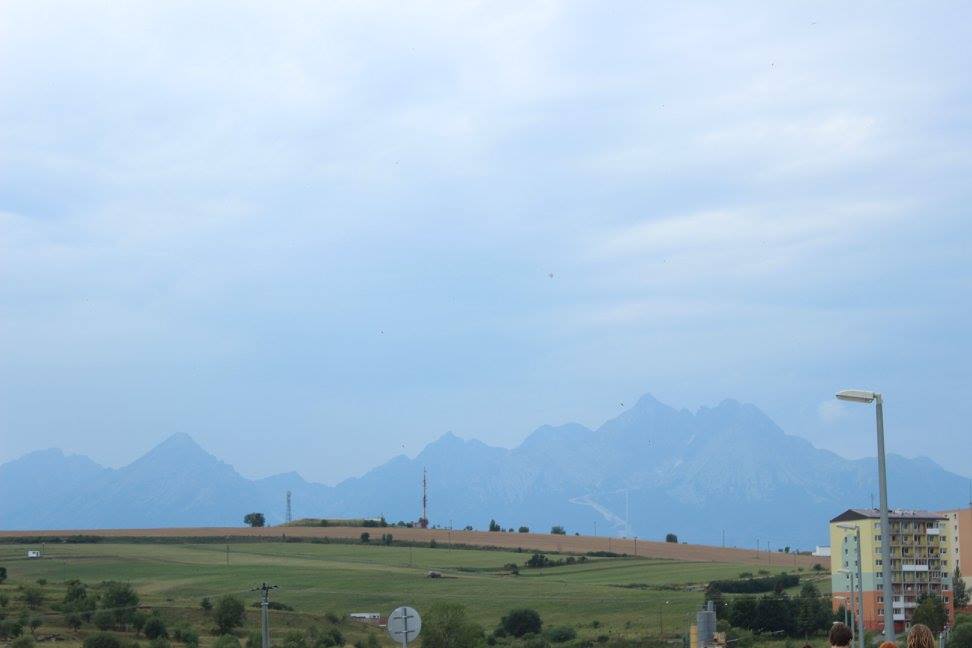
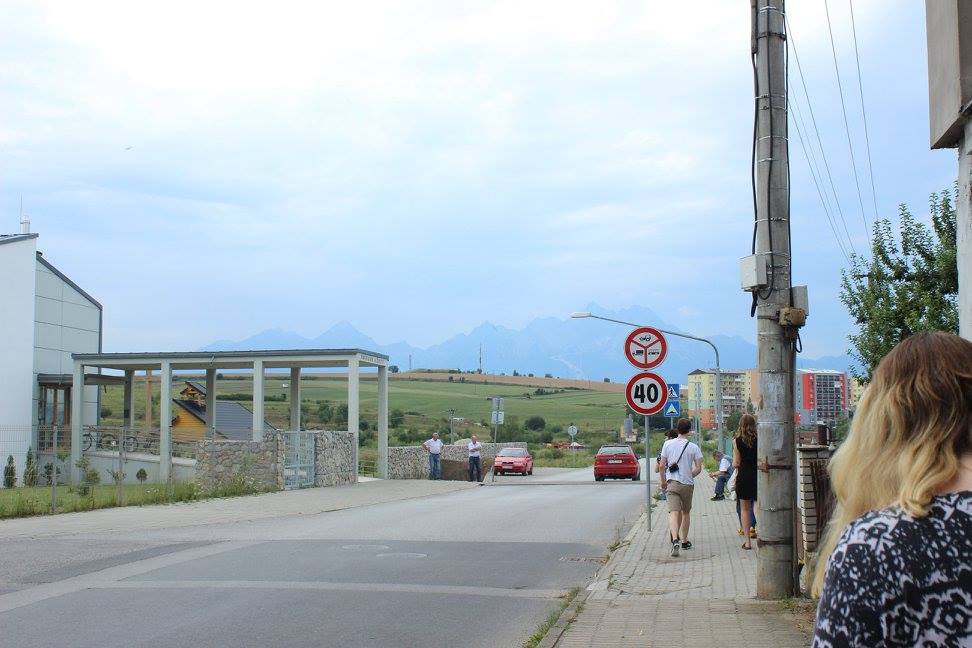
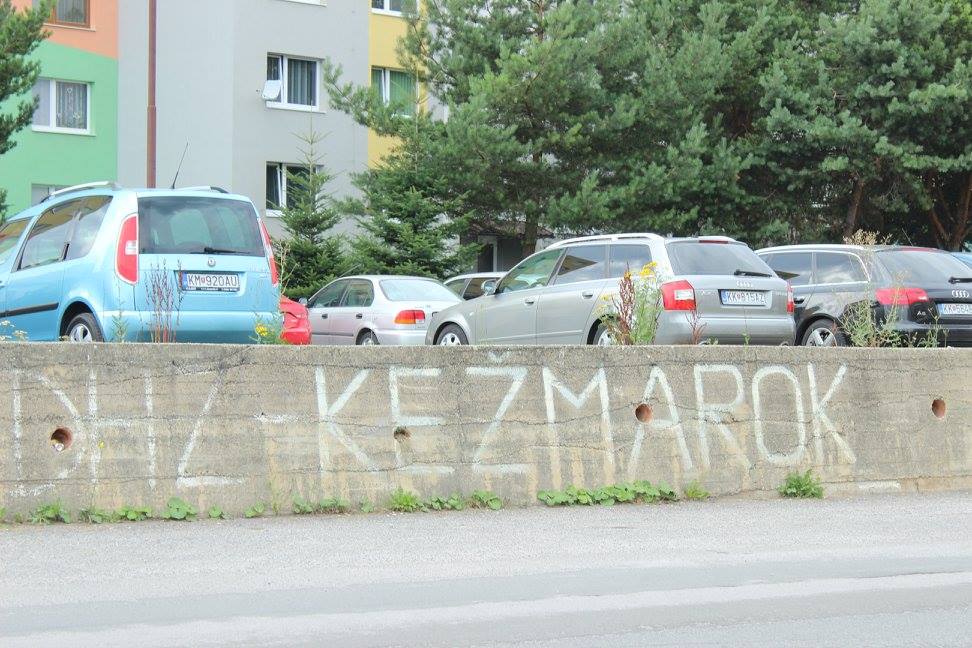
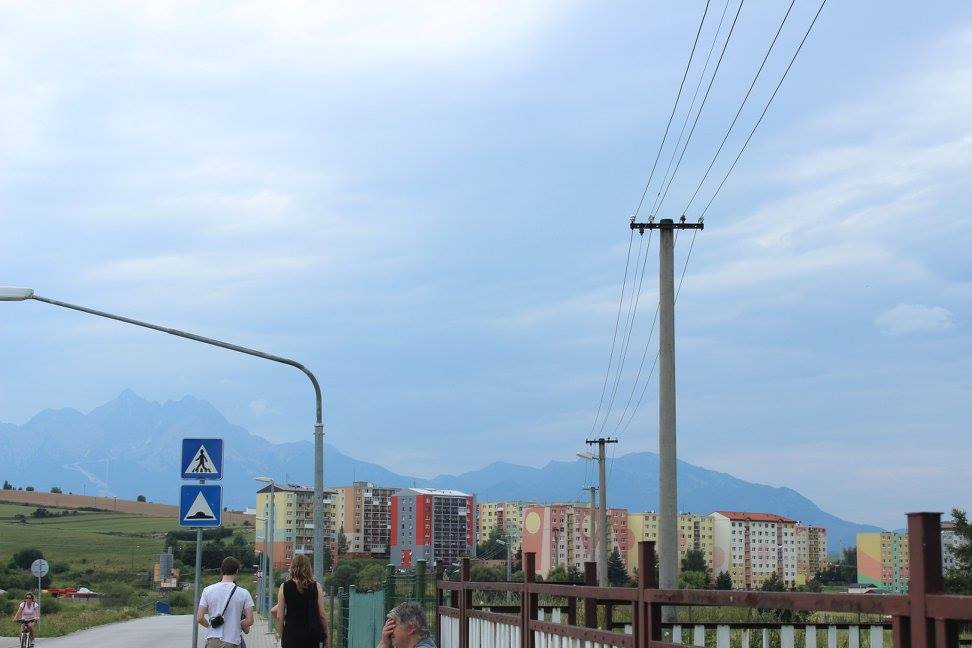
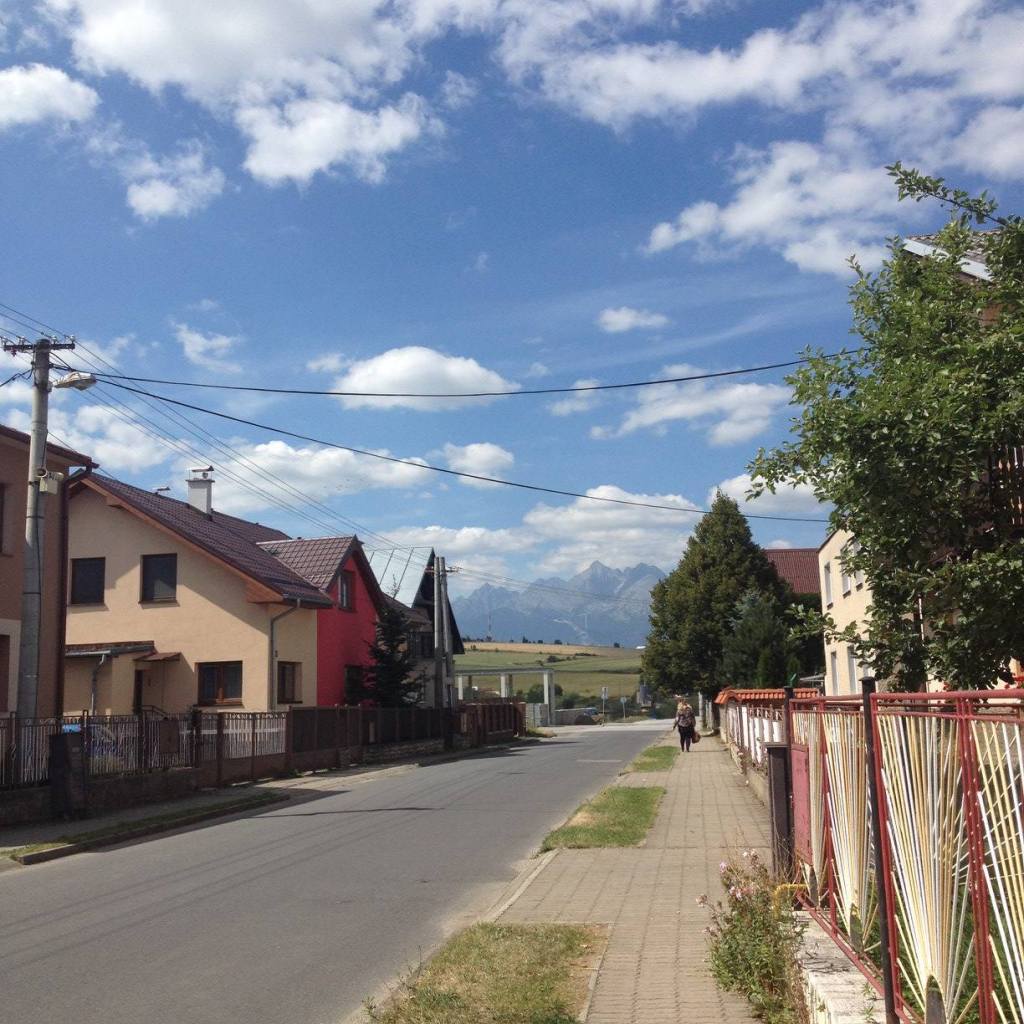
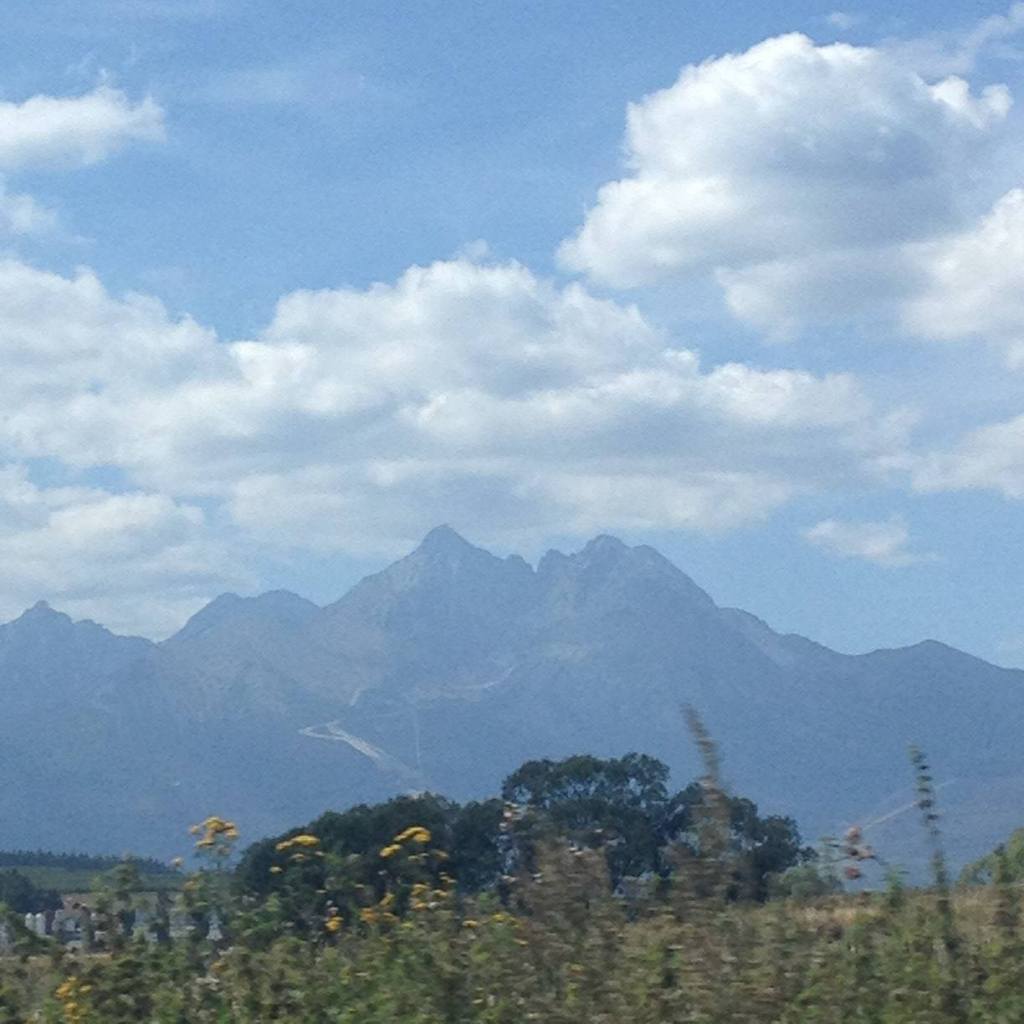
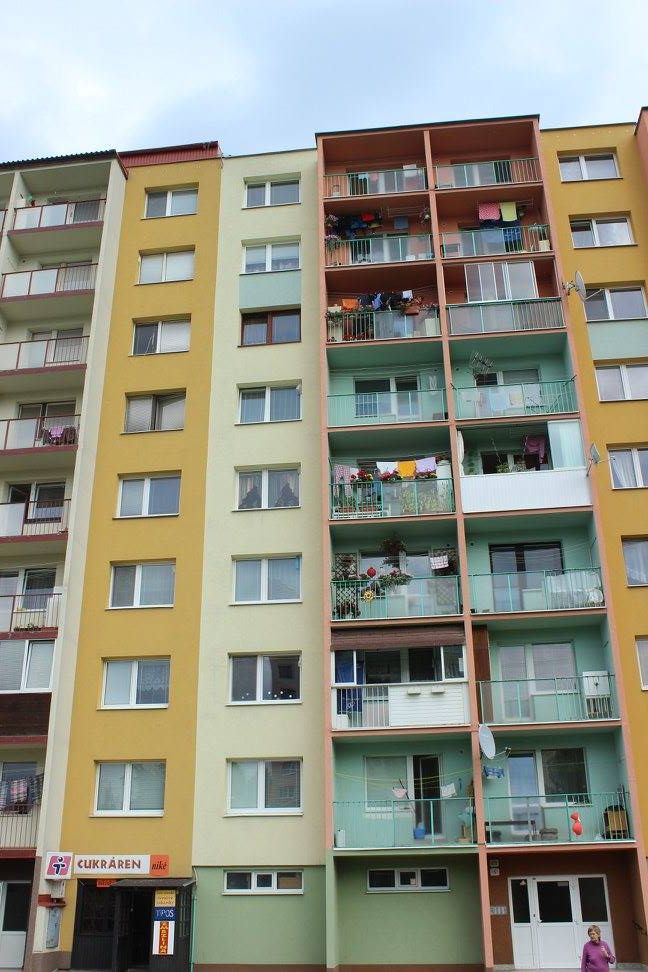
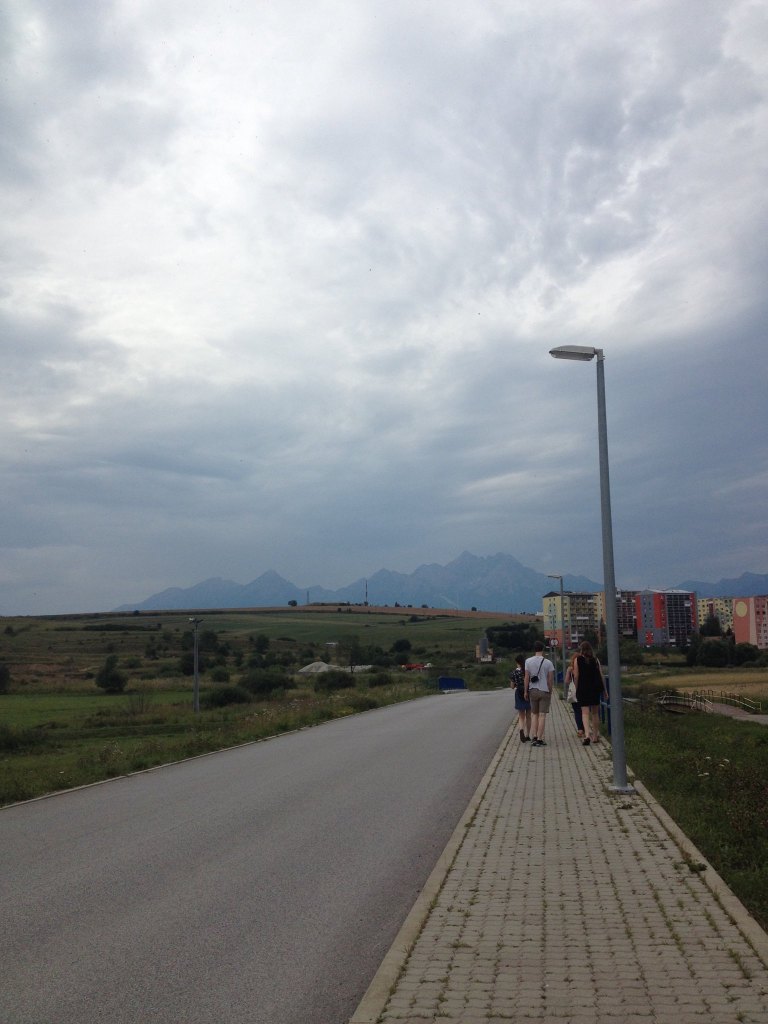
I’m glad I found these photos as I feel they much better capture the things I remember about this route. The mountains, especially, were not visible on Google Maps. However, they’re a core part of this route and are visible almost constantly. Having a slightly different angle and perspective of the environment is useful, too, as that is one limitation of Google. Interestingly, much of the content I chose to draw and take screenshots of is featured in these photographs. My tastes clearly haven’t changed much!
I felt very reluctant to engage with this exercise, and I still feel acutely aware of the distance between myself and a student who doesn’t have the same accessibility requirements. This unit is becoming challenging in this aspect, and it’s hard to continue knowing I can’t give my all. However, I feel very inspired now, having revisited these photos and looked back over the route on Google Maps. I am glad for the opportunity to reflect on my process and to elaborate on why photographic research works for me. Whilst sketching in public regularly is just a distant dream, consciously and mindfully photographing anything that inspires me is something I can put into action right now.
 Learning Log